How to make a QR code menu (free, 2026)
Reprinting menus for one price change gets old fast. Build a QR code menu free in about ten minutes, and see where a static code stops and QR ordering begins.

Drop-off versus full-service, package menus, pricing, deposits and repeat clients

Short answer: catering is one of the highest-margin ways to grow a food business, because it is produced off-peak from the kitchen you already have. Gross margins often run 40–50%, and demand is climbing: the US catering market is worth around $77 billion and growing about 6% a year, 46% of restaurants already cater, and restaurants with a catering arm grew revenue 5.1% year on year against 3.3% for the rest. Start with a few packaged menus, clear minimums and deposits, and a simple way to take enquiries.
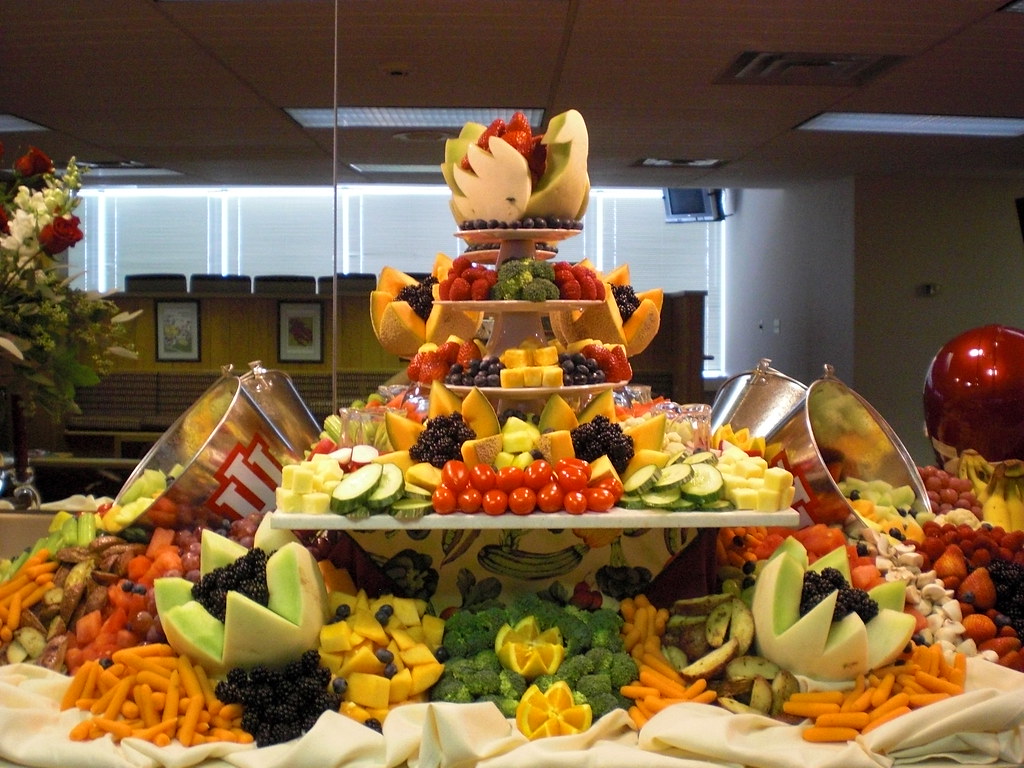
A restaurant is expensive to run because it pays for prime real estate, tables and service during a few peak hours. Catering uses the same kitchen in the quiet gaps, sells in bulk, and needs far less service labour per dollar. That is why the margins are so good, and why a catering order for 40 people can be worth a whole busy lunch. It also smooths your week, filling Mondays and mornings that dine-in leaves empty.
Start with drop-off: you prepare the food and deliver it ready to serve, no staff on site. It is low-overhead, easy to scale, and forgiving while you learn. Full-service, where your team cooks and serves on location, earns more per event but brings staffing, equipment and logistics. Build a reliable drop-off business first, then add full-service once the demand is proven.
Do not offer your whole à la carte menu for catering. Build three or four fixed packages that travel well, hold temperature, and are simple to scale: a sandwich-and-salad lunch, a hot-buffet package, a grazing spread. Fewer, tighter options are easier to cost, prep and deliver, and they make the customer’s decision quick.
Price per head from a costed menu, the same discipline as your dine-in plates (see how to calculate food cost and menu engineering). Aim for a slightly tighter food cost, around 25–30%, then add delivery, packaging and any labour. Set a minimum order so a run is worth the trip, and take a deposit on larger jobs so a late cancellation does not cost you a day’s food.
| Package (example) | Per head | Good for |
|---|---|---|
| Sandwich + salad lunch | $14–18 | Office lunches, meetings |
| Hot buffet | $22–30 | Team events, functions |
| Grazing / platter spread | $18–26 | Launches, parties |
The best catering revenue is boring and repeat: the office that orders lunch every Thursday. Corporate catering is the fastest-growing part of the market, so make it effortless to reorder, keep every client on a list, and follow up. A short email or SMS to past clients before a busy season books more work than any ad. Package it well, because good packaging is what makes catering look professional on someone else’s table.
A catering order lives or dies on the parts the customer never sees: the timeline, the transport, and who is on the floor. Restaurant service is made to order and continuous, so a slow ticket just runs a little late. Catering is one fixed deadline you cannot miss, for food that was cooked hours earlier and moved across town.
Build a production schedule that works backwards from the serve time, not forwards from when you feel like starting. Block the prep, the cook, the pack, the drive, and the setup as separate steps, and add a buffer to each. Then hold food safely in transit: hot food above 60C, cold food below 5C, in insulated carriers, and get it served inside two hours of leaving the kitchen. Getting the temperatures right is the same discipline as your line, so keep your food safety temperatures reference in the van, not just on the wall.
For full-service, staffing is the number people underquote most. Use a rough ratio and cost it into the price rather than absorbing it, or pulling people off the restaurant floor mid-service.
| Guests | On-site staff (full-service) | Setup time before serve |
|---|---|---|
| Under 25 | 1 to 2 | 30 minutes |
| 25 to 60 | 2 to 3 | 45 minutes |
| 60 to 120 | 3 to 5 | 60 minutes |
| 120 plus | 1 server per 25 guests, plus a lead | 90 minutes |
For drop-off, your gear list is shorter but just as easy to forget: labelled trays, sternos or hot boxes, serving spoons, disposable servingware, and a printed dietary key. Decide once whether you supply and collect chafing gear or charge a hire line for it, and write that into every quote.
Catering looks profitable on paper and turns thin in practice for a handful of repeatable reasons. Most of them are quoting errors, not kitchen errors.
Is catering profitable for a restaurant?
Usually more profitable than dine-in. Catering is produced off-peak from your existing kitchen, so it spreads fixed costs and often runs a 40–50% gross margin, with net margins that beat a typical restaurant’s 3–9%. You sell in bulk, with less service labour per dollar and no tables to turn. It is one of the highest-return ways to grow without opening a second site.
How do I start catering from my restaurant?
Start small and packaged. Build three or four fixed packages priced per head, set a clear minimum order and lead time, and add a simple enquiry form to your website. Nail drop-off catering (platters delivered ready to serve) before you take on full-service events with staff. Grow from repeat corporate lunch orders, which are the steadiest, fastest-growing slice of the market.
How much should I charge for catering?
Price per head from your costed menu, the same way you price à la carte: food cost divided by your target food-cost percentage (often a touch tighter for catering, around 25–30%), then add delivery, packaging and any service labour. Set a minimum order that makes a run worth doing, and take a deposit on larger bookings to protect against cancellations.
What is the difference between drop-off and full-service catering?
Drop-off (or delivery) catering means you prepare the food and deliver it ready to serve, with no staff on site: low overhead, easy to scale, and the best place to start. Full-service means your team is on location cooking, plating and serving, which earns more per event but needs staffing, equipment and logistics. Most restaurants build a drop-off business first, then add full-service once demand is proven.
How far in advance should I take catering orders?
Set a minimum lead time so a job never blindsides your kitchen. A week is a sensible default for larger drop-off and full-service orders, and two to three days for small platter runs. Ask for the final headcount by a fixed cutoff, usually 48 to 72 hours out, so you can order stock and roster staff with confidence.
How do I handle food allergies and dietary requirements for catering?
Collect every allergen and dietary need at the time of booking, not on the day, and confirm them in writing on the order. Label each dish clearly on delivery, keep allergen-free items physically separated during prep and transport, and note that you cannot guarantee an allergen-free kitchen if that is the case. Getting this wrong at scale is a genuine safety and liability issue, so treat it as part of the quote, not an afterthought.
Storefront, orders, kitchen, CRM and marketing in one place. Start free in a couple of minutes, no card needed. Pop in your email and we'll take you straight to setup.
Reprinting menus for one price change gets old fast. Build a QR code menu free in about ten minutes, and see where a static code stops and QR ordering begins.
Somewhere along the way you ended up with nine logins that do not talk. This maps the restaurant tech stack layer by layer, and what a dozen point tools really cost.
Average order value is total revenue divided by number of orders. Here is how to calculate it, why it beats chasing traffic for margin, and how to raise it.
Storefront, POS, kitchen, CRM, marketing. One login, one bill. NZ$1/month for the first 3 months.
Start free trial