How to Price Catering Jobs (With Examples) (2026)
Quoting a catering job on gut feel is how you end up working a Saturday for nothing. Pricing catering, line by line, with two costed examples.

Types and materials, choosing by dish, compostable options, branding and cost

Short answer: good food packaging does four jobs at once. It protects the food and keeps it at the right temperature, it survives the journey, it carries your brand, and increasingly it needs to be sustainable and compliant. Choose it by dish (hot, cold, wet, dry), right-size it to cut cost and waste, and check it is food-contact safe. Here is how to get all four right.
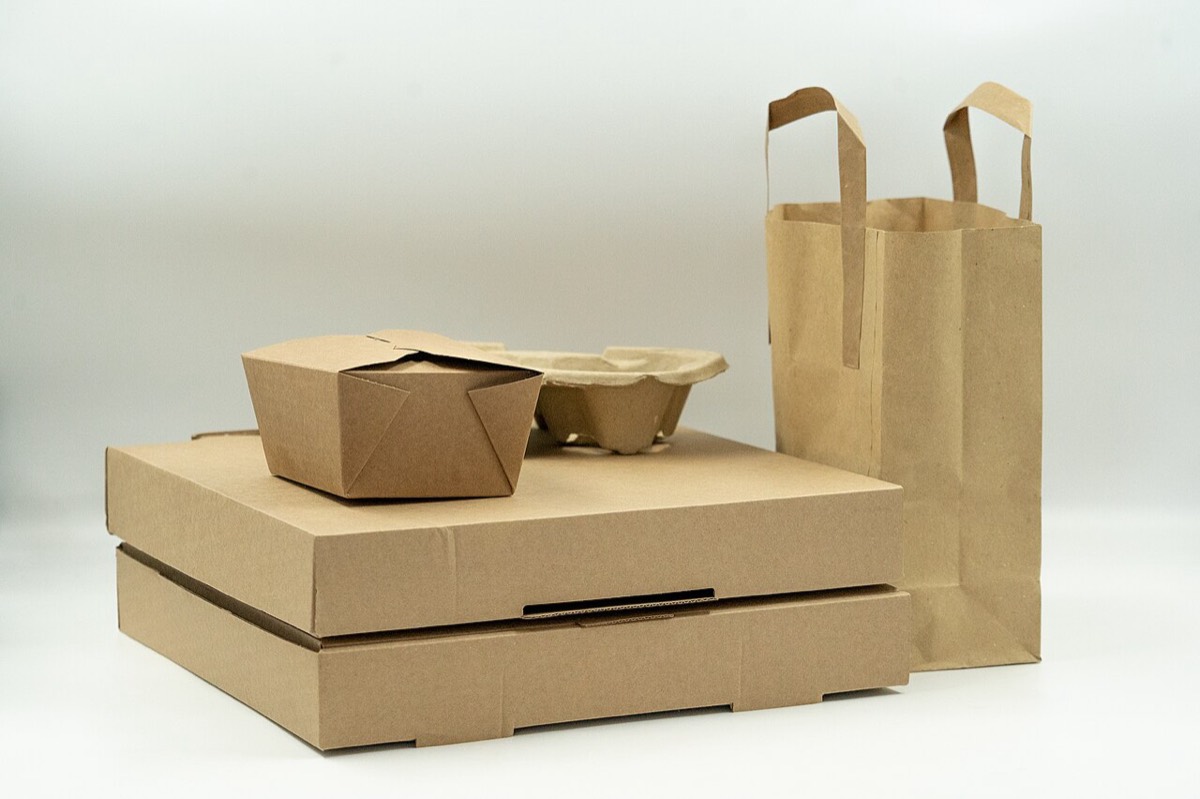
The single most common mistake is one container for everything. Steam turns crispy food soggy; thin containers buckle under sauce. Match it to the dish:
| Food type | Good choice | Why |
|---|---|---|
| Hot & fried (chips, fried chicken) | Vented board or bagasse boxes | Lets steam escape so it stays crisp |
| Saucy / wet (curries, poke) | Rigid containers, tight lids | No leaks in the bag or the car |
| Handhelds (burgers, wraps) | Grease-resistant paper / clamshells | Holds heat, easy to eat on the go |
| Cold (salads, desserts) | Clear rigid or fibre bowls | Looks fresh, shows off the food |
| Drinks | Cups + secure lids + carriers | Stops spills; carriers save the bag |
| Delivery (any) | Insulated bags + tamper seals | Temperature + trust on arrival |
Sustainable packaging is now table stakes for many customers, but the labels are confusing. A few honest rules:
You do not need custom-printed boxes to build a brand. A branded sticker to seal the bag, a stamp, or a small “order direct next time” card costs almost nothing and travels into your customer’s home. Put your website and a QR to order again on the packaging, and every delivery becomes a prompt for the next one (see how to move orders off the apps).
Packaging waste is also part of the bigger picture; see restaurant waste management for cutting it across the board.
Most owners know their food cost to the cent but have never added up what leaves the door as packaging. It is a real line item, and it is easy to control once you can see it. Cost every piece that goes into a typical order, then divide by the order value to get a percentage you can track.
Here is a worked example for a standard takeaway burger order sold at NZ$22, using typical mid-range NZ unit prices bought in bulk.
| Packaging item | Unit cost (NZD) |
|---|---|
| Kraft burger clamshell | 0.18 |
| Chip box or scoop | 0.09 |
| Carry bag | 0.12 |
| Napkin and wooden cutlery | 0.06 |
| Branded label | 0.04 |
| Total per order | 0.49 |
That order carries 49 cents of packaging, or about 2.2% of the sale. As a rule of thumb, packaging runs 1 to 4% of order value for most food businesses, and higher for delivery-heavy or eco-only ranges. If you are above 4%, look for over-spec items first: a rigid clamshell where a paper wrap would do, double-bagging, or cutlery packs the customer never uses. Trimming ten cents an order across 200 orders a day is over NZ$7,000 a year. For the bigger picture on trimming overheads, see our guide on how to lower restaurant operating costs.
A few habits quietly inflate cost, hurt the food, or annoy customers. Check your setup against these.
What is the best packaging for takeaway food?
The best takeaway packaging keeps food at the right temperature, survives the trip without leaking or going soggy, and matches your brand. Match the material to the food: vented board or bagasse for hot fried food so steam escapes, rigid containers with tight lids for saucy dishes, insulated bags for delivery, and grease-resistant paper for handhelds. There is no single best; there is the right one per dish.
What is the most eco-friendly food packaging?
Generally, the most eco-friendly options are made from rapidly renewable or recycled materials that your customers can actually recycle or compost locally: moulded fibre and bagasse, kraft paper and board, and certified compostable items where there is real composting collection. The greenest packaging is also right-sized (no oversized boxes) and, ideally, reusable. Watch for greenwashing; “compostable” only helps if there is somewhere to compost it.
How much should a restaurant spend on packaging?
Most food businesses spend roughly 3–6% of a takeaway order’s value on packaging, though it varies a lot by cuisine and how premium your presentation is. Treat it as a real line in your food cost, buy the right size (over-sized packaging wastes money twice), and negotiate on volume once your usage is steady.
Does packaging need to be food-safe certified?
Yes. Anything that touches food must be food-contact safe, and many regions require specific labelling, recyclability marks or bans on certain materials (like some single-use plastics). Check your local food-safety and packaging rules before you print a big run, and keep your supplier’s food-contact documentation on file.
How do I stop takeaway food going soggy during delivery?
Steam is the enemy, so let hot food breathe. Use vented lids, perforated bags, or containers with a raised base, and pack crisp items like chips separately from anything with sauce. For fried food, avoid fully sealed plastic that traps moisture. A small change here does more for a delivery order than any other packaging decision.
Can I get branded packaging without a huge minimum order?
Yes. The cheapest route is custom-printed stickers or stamps applied to plain kraft boxes and bags, which have almost no minimum and let you rebrand overnight. Fully custom-printed boxes usually need a run of a few thousand units to be economical, so most small businesses start with labels and only move to printed stock once volume is steady.
Storefront, orders, kitchen, CRM and marketing in one place. Start free in a couple of minutes, no card needed. Pop in your email and we'll take you straight to setup.
Quoting a catering job on gut feel is how you end up working a Saturday for nothing. Pricing catering, line by line, with two costed examples.
Label it or bin it: the argument only ends when everyone reads the same shelf life chart. Fridge and freezer times for prepped food, with day dots and FIFO.
Nobody enjoys counting the walk-in on a Sunday night. This stocktake procedure is quick enough to keep up, and turns food cost from a guess into a fact.
Storefront, POS, kitchen, CRM, marketing. One login, one bill. NZ$1/month for the first 3 months.
Start free trial