What is a chargeback? A restaurant owner's guide
A chargeback is a forced card reversal when a customer disputes a charge with their bank. Here is how it works, how it differs from a refund, and how to prevent and win disputes.

Costing dishes, reading the numbers, and laying out a menu that sells.

Short answer: menu engineering means knowing two things about every dish, what it costs you and how well it sells, then designing the menu to push the items that are both profitable and popular. Target a food cost of 28–35%, think in contribution margin (dollars) rather than just percentages, and use the four-quadrant matrix to decide what to promote, fix, reprice or cut. It is the highest-leverage profit lever most restaurants never pull, and it does not require raising every price.
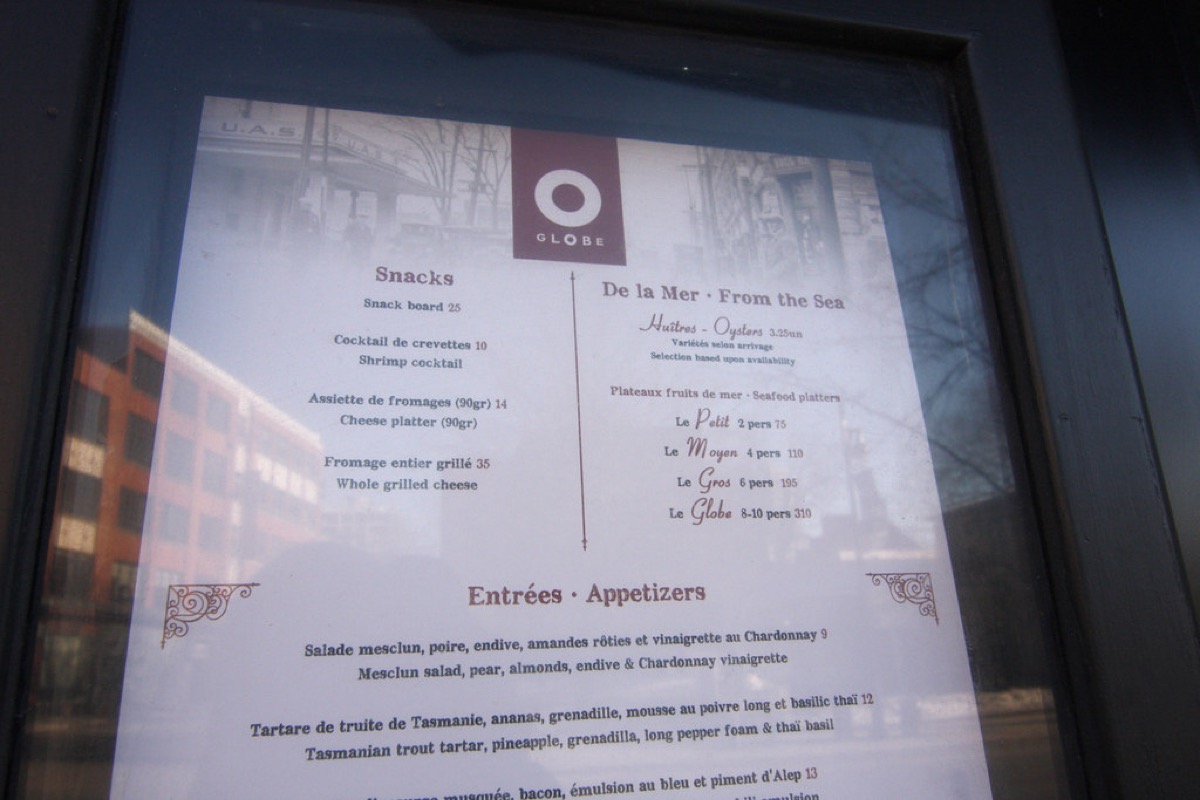
It matters more than ever: with food costs well above pre-pandemic levels, industry figures suggest only around 42% of restaurants were profitable in a recent year. The menu is where you win or lose that margin.
Food-cost percentage is useful, but on its own it misleads. Compare two dishes:
| Dish | Price | Plate cost | Food cost % | Contribution margin |
|---|---|---|---|---|
| Latte | $6.00 | $1.20 | 20% | $4.80 |
| Ribeye | $24.00 | $8.40 | 35% | $15.60 |
The latte has the “better” percentage, but the ribeye puts more than three times as much cash in the till. Contribution margin (price minus plate cost) is the number that actually pays your rent, so weigh both, not just the percentage.
You cannot engineer a menu you have not costed. Build a recipe cost for each dish that includes every ingredient, the garnish, the oil it fries in, and a realistic allowance for trim and waste. Divide the plate cost by the price to get the food-cost percentage, and price minus cost to get the contribution margin. Do the whole menu; the two or three surprises you find will pay for the afternoon.
Plot every dish on two axes: popularity (how often it sells) and profitability (contribution margin). That gives four groups, each with a clear job:
| Quadrant | What it is | What to do |
|---|---|---|
| Stars | High margin, high popularity | Protect them. Feature them, keep quality tight, never mess with them |
| Plowhorses | Low margin, high popularity | Cut the plate cost, lift perceived value, or nudge the price up gently |
| Puzzles | High margin, low popularity | Give them visibility: better position, a stronger description, staff up-sell |
| Dogs | Low margin, low popularity | Cut or reinvent them; they clutter the menu and slow the kitchen |
Once you know your stars and puzzles, menu design does the quiet work of steering choices:
Ingredient prices move, so a dish that was profitable in January might be a plowhorse by June. Re-cost your menu at least quarterly, and any time a key ingredient jumps. Menu engineering is a habit, not a one-off project.
Pair this with tight buying and stock control (see restaurant inventory management) and labour discipline (staff scheduling); together, food and labour are your “prime cost”, the number that decides whether the doors stay open.
Theory sticks once you run your own numbers. Take four dishes from a real menu. Work out the contribution margin on each (price minus plate cost), then draw two lines: the average number sold, and the average margin. Any dish above both lines is doing well on both counts; below both, it is a problem.
| Dish | Sold / month | Price | Plate cost | Margin | Quadrant | What to do |
|---|---|---|---|---|---|---|
| Margherita pizza | 180 | $18.00 | $4.50 | $13.50 | Star | Protect it. Keep quality, feature it up top. |
| Ribeye steak | 40 | $38.00 | $16.00 | $22.00 | Puzzle | High margin, sells little. Describe it better or bundle it. |
| House burger | 220 | $16.00 | $7.00 | $9.00 | Plough horse | Popular, thin margin. Lift price or trim cost. |
| Caesar salad | 30 | $14.00 | $6.00 | $8.00 | Dog | Sells little, earns little. Rework, reprice or cut. |
Across these four, average sales are about 118 a month and the average margin is about $13. The pizza clears both lines, so it is a star. The burger sells the most but earns the least per plate, so a 50c to $1 price rise there adds far more cash than fussing over the salad. Run the same grid on your top 20 sellers and the moves become obvious. If you want the arithmetic done for you, try the menu price calculator.
Most pricing errors are quiet. They do not cause a crisis, they just leak margin week after week. Watch for these.
Fix the biggest leak first, then re-check your food cost so the new prices actually hit your target. The food cost calculator makes that a two-minute job per dish.
What is menu engineering?
Menu engineering is the practice of costing every dish, knowing how well each sells, and then designing the menu to steer customers toward the items that are both profitable and popular. It combines two numbers, contribution margin (the cash a dish makes) and popularity, to decide what to promote, reprice, fix or cut. Done well it lifts profit without raising prices across the board.
What is a good food cost percentage for a restaurant?
Most restaurants aim for a food cost of 28–35% of sales, with the current full-service average around 32%. It varies by concept (a pizzeria or cafe often runs lower, a steakhouse higher). The number matters less than the trend: track it weekly and act when it drifts up, because a few points of food-cost creep is often the gap between profit and loss.
How do I price a menu item?
Start from the plate cost (every ingredient, including garnish and waste), then divide by your target food-cost percentage to get a baseline price. If a dish costs $6 to make and you target 30% food cost, the baseline is $6 ÷ 0.30 = $20. Then adjust for what the market will bear, what competitors charge, and the perceived value, and always check the contribution margin in dollars, not just the percentage.
What is contribution margin and why does it matter?
Contribution margin is the menu price minus the plate cost, the actual cash a dish contributes toward rent, labour and profit. It matters because percentage alone lies: a $6 coffee at 20% food cost makes $4.80, while a $24 steak at 35% makes $15.60. The steak has a worse percentage but contributes three times the cash, so you often want to sell more of the higher-margin item even if its percentage looks worse.
Should I show dollar signs and cents on my menu?
Dropping the dollar sign and the trailing cents (writing 18 rather than $18.00) is a well-tested nudge that softens the sense of spending and can lift average spend slightly. It works best on a clean, modern menu where the style fits. It is a small effect, not a substitute for pricing each dish off its real cost, so treat it as polish once the numbers underneath are right.
How do I raise menu prices without upsetting regulars?
Raise little and often rather than in one big jump, and move several items by small amounts instead of one item a lot. Time rises with a menu refresh or a new dish so the page feels updated, not just dearer. Keep a couple of well-known anchor items steady, since those are the prices customers actually remember.
Storefront, orders, kitchen, CRM and marketing in one place. Start free in a couple of minutes, no card needed. Pop in your email and we'll take you straight to setup.
A chargeback is a forced card reversal when a customer disputes a charge with their bank. Here is how it works, how it differs from a refund, and how to prevent and win disputes.
Card processing fees get treated as fixed, and they rarely are. Read your effective rate, negotiate the markup, optimise interchange, then pull the biggest lever.
One dish can look like a winner and still barely pay its way. Contribution margin is the number that tells you, and this shows how to cost it.
Storefront, POS, kitchen, CRM, marketing. One login, one bill. NZ$1/month for the first 3 months.
Start free trial