What is a chargeback? A restaurant owner's guide
A chargeback is a forced card reversal when a customer disputes a charge with their bank. Here is how it works, how it differs from a refund, and how to prevent and win disputes.

How to cost a dish, set the price, and spot where the margin is leaking.

Short answer: food cost comes down to two numbers. Plate cost percentage is a dish’s ingredient cost divided by its menu price. Overall food cost percentage is (opening inventory + purchases − closing inventory) divided by food sales. Most restaurants aim for 28–35%. To price a dish from its cost, divide the plate cost by your target percentage: a $4.50 plate at a 30% target should sell for at least $15. Here is how to work both out, and why they usually disagree.
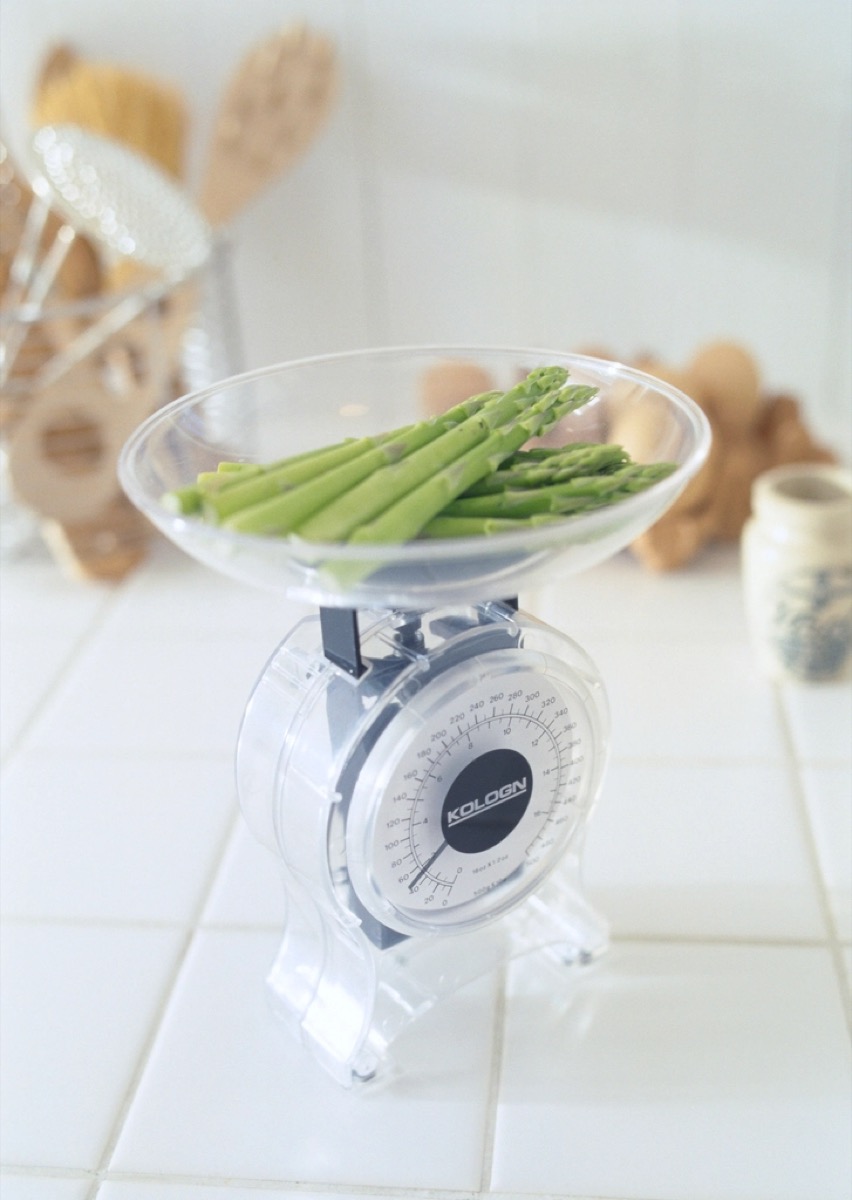
The plate cost tells you whether a single dish is priced right. The overall (or period) food cost tells you whether the whole kitchen is actually hitting that target once real life, waste, over-portioning, spoilage, is counted. You need both: the first to price your menu, the second to catch the leaks. Chasing one without the other is how a menu that looks profitable on paper still loses money.
Add up every ingredient in the exact quantity used. Take a simple burger:
| Ingredient | Quantity | Cost |
|---|---|---|
| Beef patty | 150g | $1.80 |
| Bun | 1 | $0.55 |
| Cheese, lettuce, tomato, sauce | portion | $0.85 |
| Fries | 150g | $0.70 |
| Plate cost (before Q factor) | $3.90 |
At a 32% target food cost, the ideal price is $3.90 ÷ 0.32 = about $12.20, so you would round to $12.50 and check it against what the market will bear. If the number the market accepts implies a food cost well above your target, the fix is a cheaper build or a smaller portion, not a hopeful price.
Recipes never capture everything: the salt, oil, garnish, condiments, bread and small waste that quietly add up. That is the Q factor, usually 5–10% of the plate cost. On our $3.90 burger, a 10% Q factor adds about $0.39, so the honest cost is closer to $4.30. Skip it and every dish looks a little cheaper to make than it really is.
Your theoretical food cost is what your recipes say you should have spent. Your actual food cost is what the period formula says you did spend. The gap is the story: over-portioning, waste, spoilage, comps and theft. A point or two is normal, a widening gap is a red flag worth chasing to the portion scale and the stockroom. Tight inventory and waste control is what closes it.
| Type | Typical food cost target |
|---|---|
| Full-service restaurant | 28–35% |
| Fine dining | 25–32% |
| Fast-casual | 28–32% |
| Catering | 25–30% |
Food cost moves: supplier prices rise, portions creep, a special sells out of a costly cut. Owners who check it weekly catch a two-point slide before it becomes a month of lost margin. Pair this with menu engineering to fix the dishes it flags, and if you are just opening, build the habit from day one.
The price on your supplier invoice is the as-purchased price, but you never plate the whole thing. You peel onions, trim beef, and turn a whole fish into fillets. The scraps still cost money, so your true ingredient cost is higher than the sticker. Miss this and every recipe you cost will read too cheap, and you will price too low without knowing why.
The fix is a yield percentage: the share of what you buy that actually reaches the plate. Divide the as-purchased price by the yield to get your usable, or edible-portion, cost. That usable cost is the number you feed into your plate-cost sheet.
| Ingredient | As-purchased cost | Usable yield | True usable cost |
|---|---|---|---|
| Onions, peeled | $2.00/kg | 90% | $2.22/kg |
| Lettuce, trimmed | $4.00/kg | 75% | $5.33/kg |
| Beef, trimmed | $18.00/kg | 75% | $24.00/kg |
| Whole fish, filleted | $22.00/kg | 45% | $48.89/kg |
The fish is the lesson: at 45% yield your real cost is more than double the invoice. Weigh a few of your own high-waste items once, work out their yields, and keep the figures on file. Pre-portioned or pre-prepped stock costs more per kilo but often lands cheaper once you account for yield and the labour saved. If you want the plate maths done for you, drop your usable costs into the food cost calculator.
Most food-cost figures are wrong in the same handful of ways. Each one makes the number look better than reality, so you feel fine while margin quietly leaks. Check yourself against this list before you trust any percentage.
Once your recipes are costed cleanly, use the percentage to set prices deliberately rather than by gut feel. For turning a costed dish into a menu that sells the profitable items, read menu engineering and pricing.
What is a good food cost percentage?
Most full-service restaurants aim for 28–35%, with fine dining often 25–32% and fast-casual 28–32%. There is no single right number: a steakhouse runs a higher food cost and lower labour, a pizzeria the reverse. What matters is setting a target for your concept and holding to it, and tracking it weekly rather than once a year.
How do you calculate food cost percentage?
Two ways. For a single dish: plate cost divided by menu price, times 100. For the whole kitchen over a period: (opening inventory + purchases − closing inventory) divided by food sales, times 100. The first tells you whether a dish is priced right, the second tells you whether the kitchen actually hit that target once waste, theft and over-portioning are counted.
What is the food cost formula for pricing a dish?
Menu price = plate cost ÷ target food-cost percentage. If a dish costs $4.50 in ingredients and you want a 30% food cost, charge at least $4.50 ÷ 0.30 = $15.00. Add a Q factor of about 5–10% for the salt, oil, garnish and small waste that never make it onto the recipe card, so your true cost is a little higher than the ingredient list suggests.
Why is my actual food cost higher than my recipes say?
The gap between theoretical food cost (what recipes should cost) and actual food cost (what the kitchen really spent) is where money leaks: over-portioning, waste, spoilage, comps and theft. A point or two of gap is normal, a big or growing gap is a signal to check portioning, receiving and stock counts. You only see it if you count inventory and compare.
Should I include GST in my food cost calculations?
No, cost your recipes on the GST-exclusive prices from your supplier invoices. If you are GST registered you claim that GST back, so it is not a real cost to your kitchen. Working ex-GST also keeps your food cost percentage comparable against menu prices, which you should measure ex-GST too.
Does food cost percentage include labour or packaging?
No. Food cost percentage is ingredients only. Kitchen labour is a separate line, and food cost plus labour together make up your prime cost. Packaging for takeaway is its own cost too. Keeping them separate tells you which lever to pull when margins tighten, since a high food cost and a high labour cost need very different fixes.
Storefront, orders, kitchen, CRM and marketing in one place. Start free in a couple of minutes, no card needed. Pop in your email and we'll take you straight to setup.
A chargeback is a forced card reversal when a customer disputes a charge with their bank. Here is how it works, how it differs from a refund, and how to prevent and win disputes.
Card processing fees get treated as fixed, and they rarely are. Read your effective rate, negotiate the markup, optimise interchange, then pull the biggest lever.
One dish can look like a winner and still barely pay its way. Contribution margin is the number that tells you, and this shows how to cost it.
Storefront, POS, kitchen, CRM, marketing. One login, one bill. NZ$1/month for the first 3 months.
Start free trial