How to Price Catering Jobs (With Examples) (2026)
Quoting a catering job on gut feel is how you end up working a Saturday for nothing. Pricing catering, line by line, with two costed examples.

The four waste streams, how to measure and cut each, and the compliance picture

Short answer: restaurant waste is not just food. It is food, packaging, water and energy, and every stream is money you already paid for. Cutting it saves real cost and meets what customers and regulators increasingly expect. The system is the same for each stream: measure it, reduce it, reuse or recycle what you can, and dispose of the rest responsibly. Start by measuring, because you cannot cut what you have not counted.
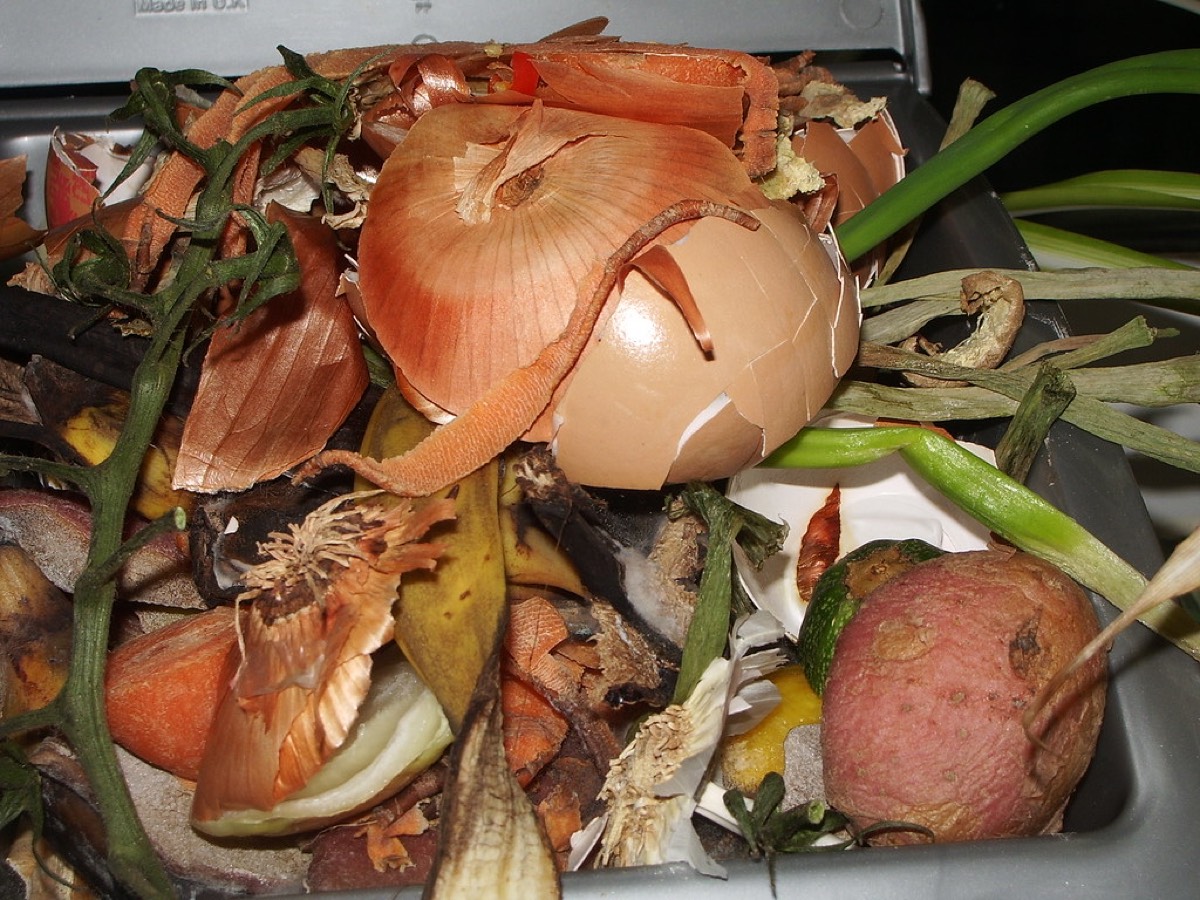
Most venues only think about the bin of food scraps, but there are four streams worth managing, and food is only the biggest:
| Stream | Quick win | Why it pays |
|---|---|---|
| Food | Weigh waste; set par levels; prep to forecast | 4–10% of food spend, much of it avoidable |
| Packaging | Right-size + switch to recyclable/compostable | Cost + a visible sustainability signal |
| Water | Fix leaks, efficient dishwashing, no running taps | A quiet, steady bill you can shrink |
| Energy | Maintain fridges, lids on, off when closed | Kitchens are energy-hungry; small habits add up |
Food is the largest and most controllable stream. The playbook:
This overlaps directly with buying and stock control, so pair it with a tight inventory system; the two together are where the food-cost savings really come from.
Separate your streams at the source with clearly labelled bins (staff will not sort a single mixed bin later). Set up organics or compost collection if it exists in your area, recycle cardboard and glass, and connect with a local food-rescue or donation service for safe surplus. Good separation is what turns “waste” into either a saving or a smaller disposal bill.
Rules are tightening: many regions now require food-waste separation, restrict some single-use packaging, or ask larger venues to report. Check yours, because getting ahead is cheaper than catching up. And the case is not only ethical: cutting avoidable food waste alone can put five figures a year back on the bottom line for a mid-sized venue, before disposal, over-ordering and energy savings. It is one of the highest-return, least glamorous fixes in the building.
You cannot cut what you have not measured, and most kitchens badly underestimate their waste. Before you buy caddies or rewrite a single spec, run a simple audit for one full week. Put a set of cheap kitchen scales next to the bins and log every scrape into four buckets: prep trimmings, spoiled or out of date stock, overproduction that never sold, and plate waste that came back from customers.
At the end of the week, weigh each bucket and put a rough dollar value on it using what you paid for those ingredients. The point is not perfect accuracy. It is to see which stream is bleeding the most so you fix that first. A mid-sized cafe throwing away around $300 of food a week is burning roughly $15,600 a year straight through the back door.
| Waste bucket | Sample week (kg) | Est. value | Where it usually comes from |
|---|---|---|---|
| Prep trimmings and peelings | 12 | $70 | Over-trimming, no use for offcuts |
| Spoiled or out of date stock | 8 | $95 | Over-ordering, weak stock rotation |
| Overproduction, unsold | 10 | $85 | Batch cooking to habit, not demand |
| Plate waste returned | 6 | $50 | Portions too large for the price |
| Total | 36 | $300 | One week, one site |
Repeat the audit each quarter. It takes ten minutes a day and it is the single fastest way to prove a change actually worked, because you can compare the before and after weights. Tightening ordering and rotation is the highest-leverage fix, and it links straight to your stockroom discipline. See our guide to restaurant inventory management for the par-level and FIFO systems that shrink the top two rows of that table.
Once you start looking, the same errors show up in kitchen after kitchen. None of them are dramatic, which is exactly why they persist for years. Check your operation against this list.
What is restaurant waste management?
Restaurant waste management is reducing, reusing, recycling and responsibly disposing of everything your venue throws away: food, packaging, water and energy. Done well it cuts real cost (waste is money you already paid for) and meets rising customer and regulatory expectations. It starts with measuring what you waste, then working through the streams one by one.
How can restaurants reduce food waste?
Measure it first (weigh and log what gets binned for two weeks), then set par levels so you stop over-ordering, prep to forecast rather than habit, use FIFO storage so nothing hides past its date, repurpose trim into specials and staff meals, and donate safe surplus. Most kitchens cut waste noticeably just from measuring it and acting on the two or three items driving most of it.
Is restaurant waste management a legal requirement?
It varies by region, and it is tightening. Many places now mandate food-waste separation or organics collection, restrict certain single-use packaging, or require reporting above a size threshold. Check your local rules, because the direction of travel is clearly toward more separation and more accountability, and being ahead of it is cheaper than catching up.
How much money can waste management save a restaurant?
Food waste alone typically runs 4–10% of food purchased, and a good chunk of that is avoidable. On a venue spending, say, NZ$300,000 a year on food, halving avoidable waste can put five figures back on the bottom line, before you count savings on disposal fees, over-ordering and energy. It is one of the highest-return, least glamorous things you can fix.
How do I run a restaurant waste audit?
Put kitchen scales by the bins and, for one full week, weigh everything you throw out sorted into four buckets: prep trimmings, spoiled stock, overproduction, and plate waste. Multiply each weight by what you paid for those ingredients to get a dollar value, then tackle the biggest stream first. Repeat the audit quarterly so you can prove each change worked.
Does reducing food waste actually lower my food cost percentage?
Yes, directly. Food you buy but throw away is still counted in your food cost, so it inflates the percentage without adding a single sale. If waste is running at 6% of purchases and you halve it to 3%, that saving drops straight to your bottom line. It is one of the few cost cuts that does not touch quality or portion size.
Storefront, orders, kitchen, CRM and marketing in one place. Start free in a couple of minutes, no card needed. Pop in your email and we'll take you straight to setup.
Quoting a catering job on gut feel is how you end up working a Saturday for nothing. Pricing catering, line by line, with two costed examples.
Label it or bin it: the argument only ends when everyone reads the same shelf life chart. Fridge and freezer times for prepped food, with day dots and FIFO.
Nobody enjoys counting the walk-in on a Sunday night. This stocktake procedure is quick enough to keep up, and turns food cost from a guess into a fact.
Storefront, POS, kitchen, CRM, marketing. One login, one bill. NZ$1/month for the first 3 months.
Start free trial