How to Price Catering Jobs (With Examples) (2026)
Quoting a catering job on gut feel is how you end up working a Saturday for nothing. Pricing catering, line by line, with two costed examples.

Auditioning suppliers, the consolidation lever, price-creep audits and payment terms

Short answer: suppliers are a managed system, not a set-and-forget contact list. The system: audition candidates with real orders (judging fill rate, consistency and problem recovery before price), consolidate the commodity spend with one broadliner while cherry-picking two or three signature specialists, negotiate annually with your spend data, audit invoices monthly because price creep survives on nobody checking, keep one live backup per critical category, and treat payment terms as the free cash-flow buffer they are. Food is a third of your costs; the habits below are worth points of margin every year.
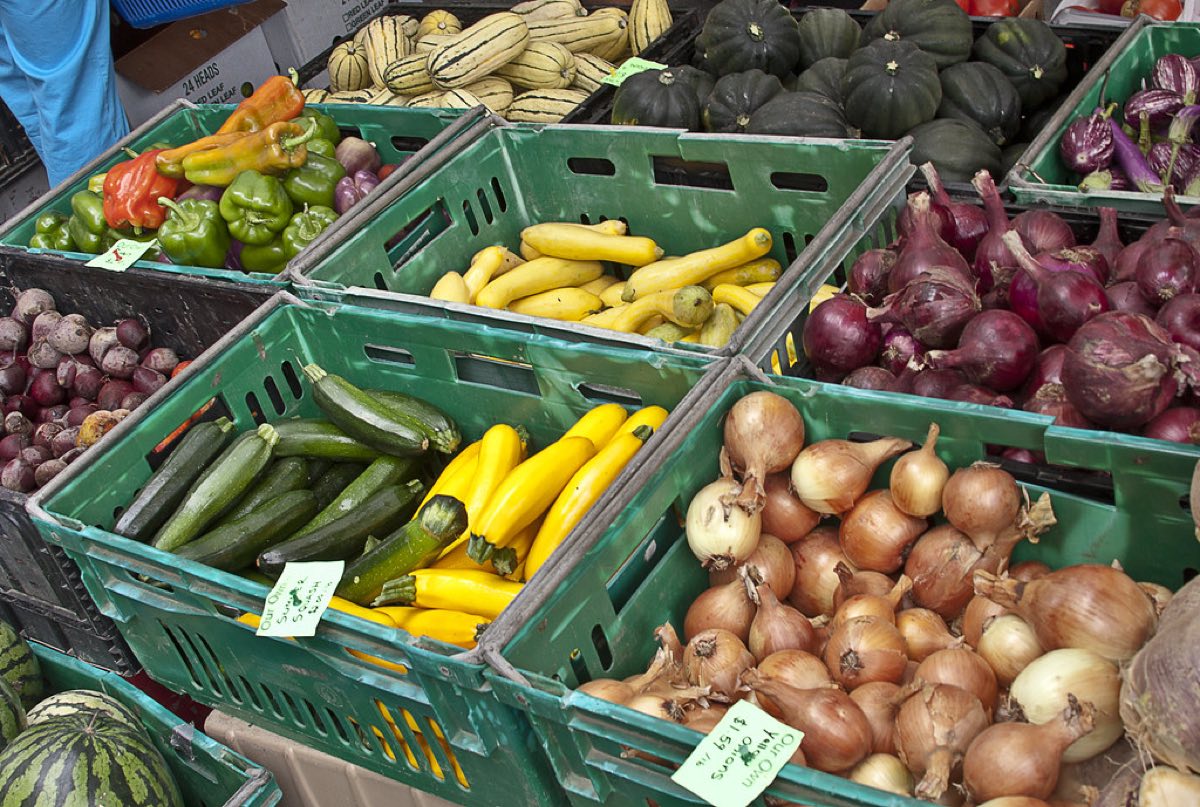
For each category, run two or three candidates through real orders for a few weeks and score four things. Fill rate: did everything ordered actually arrive? A 95% fill rate means weekly scrambles forever. Consistency: is the third delivery’s produce the same grade as the first’s samples? Reliability: do they hit the delivery window your prep depends on? Recovery: when something goes wrong, and it will, do they fix it same-day or argue? Price comes fourth deliberately, because a 5% cheaper supplier who shorts your Saturday protein costs you a service, and a service costs more than a year of the discount.
| Spend type | Strategy | Why |
|---|---|---|
| Bulk / commodity (dry goods, chemicals, basics) | One broadline supplier | Volume earns pricing tiers + one delivery, one invoice |
| Signature quality (your hero protein, coffee, produce) | 2–3 specialists | Where quality IS the menu, pay for the best |
| Packaging | One supplier, quarterly-negotiated | Boring, high-volume, very negotiable |
| Everything | Fewer suppliers overall | Ten suppliers = ten minimums, zero leverage |
Consolidation is the quiet lever: moving from eight suppliers to four typically unlocks better tiers from the survivors, halves the ordering admin, and makes YOU a customer worth fighting to keep, which is the position every negotiation below starts from.
The negotiation that works is undramatic: “We spent $54,000 with you last year, we pay on time, and our volume is growing. What can you do on our top ten items?” Levers, in rough order of yield: fixed quarterly pricing on your biggest ten SKUs (protects you from spot-market wobble), tier reviews as volume grows, prompt-payment discounts if your cash allows, and, held politely in reserve, a genuine competitor quote. Being a good account, consolidated, predictable, paid on time, is the whole entry fee; suppliers price the customers who might leave and pay attention.
Supplier price creep is a tax on inattention: two cents on the roll, forty on the case, nothing announced. The defence: one sheet (or your stock system) tracking unit prices for your top ten ingredients; each month, check invoices against agreed prices and query every unexplained rise, the discount frequently reappears the moment someone asks. Then close the loop into the menu: ingredient inflation that survives the query gets re-costed quarterly so dishes keep their margin (food cost mechanics, and the drift shows up in your prime cost line first). This audit is routinely worth 1–2 points of food cost, which on a $10,000 weekly spend is real money for fifteen minutes.
Every supplier eventually fails, the truck breaks, the picker shorts you, the business folds, and it always lands on your busiest weekend. The insurance costs almost nothing: one live backup account per critical category (protein, produce, dairy, packaging), opened in advance, exercised with a small order every month or two so the account, the login and the relationship are real. The day the main fails, you switch in an hour. Pair it with sane par levels and one weekly order day (the rhythm from inventory management) and most supplier drama becomes a footnote.
How do I choose food suppliers for a restaurant?
Audition three per category with real orders before committing: judge fill rate (did everything arrive?), quality consistency across deliveries, delivery-window reliability, and how they handle a problem, because every supplier eventually has one, and the recovery is the relationship. Price matters fourth: the cheapest supplier who shorts you on a Saturday costs more than the dearest one who never does.
How do I negotiate better prices with food suppliers?
Be a good customer first, consolidated orders, predictable volume, on-time payment, then ask with data: “we spend $X a month with you; what do we qualify for?” Levers that work: consolidating spend with fewer suppliers, agreeing fixed prices on your ten biggest items for a quarter, prompt-payment discounts, and honest quotes from competitors. Ask annually at minimum; supplier pricing rewards the customers who check.
Should a restaurant have backup suppliers?
Yes, one live backup per critical category (protein, produce, dairy, packaging), with an account already open and a small order placed occasionally so the relationship is real. The day your main supplier fails, and every supplier eventually fails on the worst possible day, you switch in an hour instead of begging strangers at 6am. Redundancy is boring until it is the whole weekend.
How many suppliers should a small restaurant use?
Fewer than you think: one broadline supplier for the bulk, plus two or three specialists where quality defines your menu (the butcher, the greengrocer, the roaster). Consolidation earns pricing tiers and simplifies ordering; fragmentation across ten suppliers means ten minimums, ten deliveries and no leverage anywhere. Consolidate the commodity, cherry-pick the signature.
How do I stop supplier price creep?
Audit invoices against agreed prices monthly, price creep survives on nobody checking. Track your top ten ingredients’ unit prices on one sheet (or a stock system that does it), question every unexplained rise, and re-cost affected dishes quarterly so the menu keeps pace (the method is in the food-cost guide). Suppliers respect customers who read their invoices; the discount often reappears the moment you query.
What payment terms should I ask suppliers for?
Standard hospitality terms run 7–30 days; reliable payers can ask for the longer end, which is effectively a free cash-flow buffer (your busy weekend banks before its ingredients fall due). Never trade terms for reputation, paying late without agreement burns the relationship you depend on. Agree the terms, then be the account they never chase.
Storefront, orders, kitchen, CRM and marketing in one place. Start free in a couple of minutes, no card needed. Pop in your email and we'll take you straight to setup.
Quoting a catering job on gut feel is how you end up working a Saturday for nothing. Pricing catering, line by line, with two costed examples.
Label it or bin it: the argument only ends when everyone reads the same shelf life chart. Fridge and freezer times for prepped food, with day dots and FIFO.
Nobody enjoys counting the walk-in on a Sunday night. This stocktake procedure is quick enough to keep up, and turns food cost from a guess into a fact.
Storefront, POS, kitchen, CRM, marketing. One login, one bill. NZ$1/month for the first 3 months.
Start free trial