How to make a QR code menu (free, 2026)
Reprinting menus for one price change gets old fast. Build a QR code menu free in about ten minutes, and see where a static code stops and QR ordering begins.

Setting up direct online ordering, and shifting your regulars off the marketplaces

Short answer: keep your delivery-app listings for finding new customers, but set up your own ordering link for everyone else. Put QR codes on tables and receipts, take payment direct, and capture each customer so you can bring them back. Every order that moves off the apps saves you the 15–30% cut, and hands you the relationship.
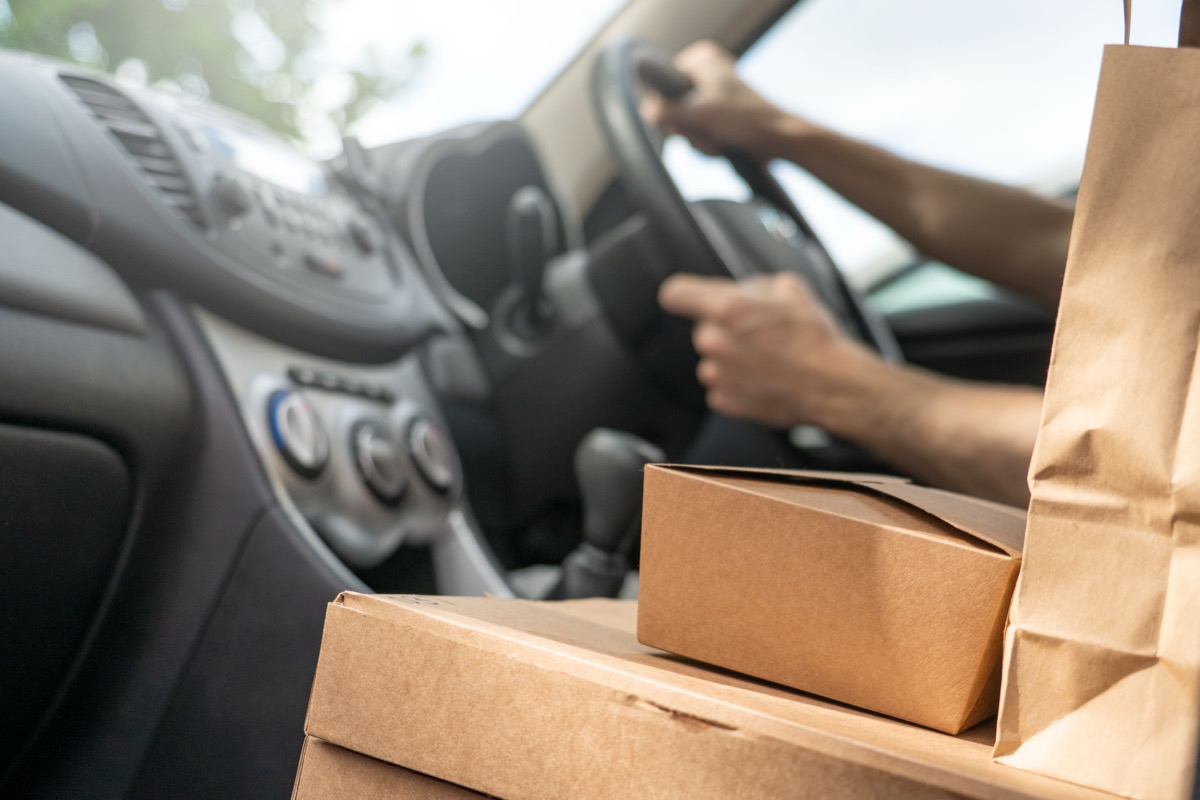
Marketplace commissions run about 15–30% per order. Here’s the same $40 order, two ways:
| On a $40 order | Via a delivery app (30%) | Via your own link |
|---|---|---|
| Platform fee | 30% (−$12.00) | From 2.5% (−$1.00) |
| You keep (after fees) | ~$28 | ~$38 |
| You learn who ordered | No | Yes |
That $10 difference, across a few thousand orders a year, is the difference between a hard year and a good one. So here’s the plan.
You need one clean, mobile-first ordering page on a web address you control. Customers should be able to browse the menu, add to cart and pay in a few taps. (With Plattr this is generated from your existing menu and branding, so it’s live the same day, see the best online ordering systems if you’re comparing options.)
A QR on every table turns dine-in into scan-to-order, and a QR on every receipt turns one visit into the next order. These two surfaces convert better than almost anything else because the customer is already holding your food.
The order has to arrive where your team already works, a kitchen ticket or your POS, not a separate tablet someone has to babysit. If your ordering and your kitchen are the same system, this is automatic; if they’re separate tools, make sure they’re connected before you launch.
This is the part the apps never let you do. When someone orders direct, you get their email or phone. That single fact lets you win them back next week for free instead of paying to reach them again.
Move just 20 orders a week to direct, at an average $40 and 30% commission, and you keep around $10,000 a year you were giving away, plus a customer list you can market to for free. Reinvest a slice of that into the perks above and the flywheel speeds up.
Once orders are flowing, turn to 15 ways to get more customers to fill the top of the funnel.
The part owners worry about most is not the ordering, it is the driving. You do not need a fleet to take orders direct. You have four realistic ways to get food to a customer, and most cafes run more than one at once.
The cheapest order is one the customer collects. Push pickup first, keep a short delivery radius, and use an on-demand courier for the runs you cannot cover yourself. The table below compares your options on cost and trade-off so you can pick per shift, not forever.
| Fulfilment option | Typical cost to you | Best for | Trade-off |
|---|---|---|---|
| Pickup and dine-in only | No delivery cost | Cafes, high-street sites, busy lunch trade | Caps your reach to walk-in distance |
| Your own driver or staff | Wages plus vehicle and fuel | A tight delivery radius with steady volume | Idle pay in quiet spells, rostering to manage |
| On-demand courier (delivery as a service) | A flat fee of roughly 8 to 12 NZD per drop | Covering demand without hiring | Per-drop fee, less control of the handover |
| Marketplace for delivery only | 15 to 30% commission on that order | Reaching new customers who want an app | Highest cost, so use it for discovery, not regulars |
The flat courier fee is the quiet win here. On a 60 NZD order a marketplace can take 12 to 18 NZD in commission, while a 10 NZD courier fee stays flat no matter how large the basket. Bigger orders are where owning delivery pays off fastest. For a fuller breakdown of radius, packaging and driver economics, see our restaurant delivery strategy guide.
Most direct-ordering setups do not fail on technology, they fail on the small habits around them. Avoid these and your channel will hold.
How much commission do delivery apps charge?
Delivery marketplaces typically charge restaurants 15–30% per order, plus extra for delivery and promotions. On a $40 order that’s $6–$12 gone before food cost, which is why moving repeat customers to your own ordering link matters so much.
Is it legal to ask delivery-app customers to order direct?
Yes. You can’t export the marketplace’s customer list, but there’s nothing stopping you putting a card, sticker or QR code in the bag inviting people to order direct next time, and most owners do exactly that.
Will I lose orders if I leave the delivery apps?
You don’t have to leave. Keep your listing for discovery, but make ordering direct the obvious, cheaper, faster choice for regulars. Most restaurants keep the new-customer reach and claw back the margin on repeats.
What do I actually need to take orders directly?
A menu on a link you own, a way to take payment, something that sends the order to the kitchen, and a QR code on tables and receipts. An all-in-one like Plattr gives you all four out of the box; you can also assemble it from separate tools.
Do I need my own drivers to take orders without the apps?
No. Plenty of food businesses run direct ordering as pickup first, then add an on-demand courier service for delivery, which charges a flat fee per drop rather than a percentage of the order. Hiring a driver only makes sense once you have steady delivery volume in a tight radius. You can also keep a marketplace for delivery alone while taking payment and building the relationship on your own channel.
How long does it take to move regulars off the apps?
Expect a few months, not a weekend. The fastest wins come from QR codes on tables and receipts, a direct order link in every reply and confirmation, and a small standing incentive for ordering direct. Track the share of orders coming through your own channel each week, and only turn down app spend once that share is climbing steadily.
Storefront, orders, kitchen, CRM and marketing in one place. Start free in a couple of minutes, no card needed. Pop in your email and we'll take you straight to setup.
Reprinting menus for one price change gets old fast. Build a QR code menu free in about ten minutes, and see where a static code stops and QR ordering begins.
Somewhere along the way you ended up with nine logins that do not talk. This maps the restaurant tech stack layer by layer, and what a dozen point tools really cost.
Average order value is total revenue divided by number of orders. Here is how to calculate it, why it beats chasing traffic for margin, and how to raise it.
Storefront, POS, kitchen, CRM, marketing. One login, one bill. NZ$1/month for the first 3 months.
Start free trial