What is a chargeback? A restaurant owner's guide
A chargeback is a forced card reversal when a customer disputes a charge with their bank. Here is how it works, how it differs from a refund, and how to prevent and win disputes.

What prime cost is, the 55 to 65% band, and how to fix it when it drifts

Short answer: prime cost is your cost of goods sold plus your total labour cost, as a percentage of sales, and it is the single best predictor of whether a restaurant makes money. The healthy band is 55–65% of sales (aim for about 60% or better; quick service runs lower, full service higher). It beats watching food cost alone because food and labour trade against each other, and it only works as a weekly habit: monthly prime cost is history, weekly prime cost is a steering wheel. Here is the whole method, with a worked example you can copy.
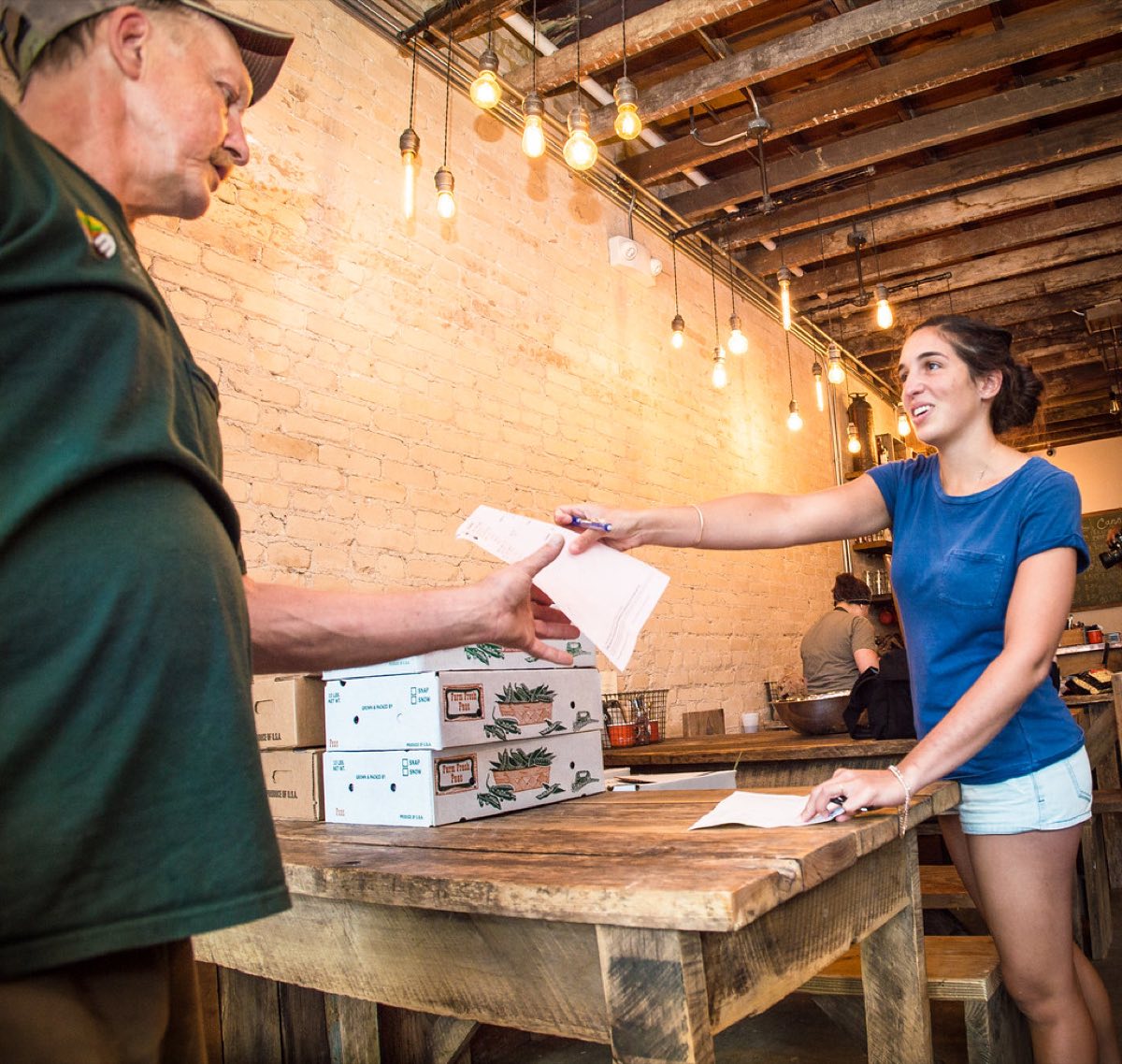
A restaurant P&L has dozens of lines, but most are either fixed (rent, insurance) or small (utilities, subscriptions). Food and labour are different: together they usually consume six of every ten dollars you take, and both are decisions you re-make every single week, what you buy, what you charge, who works when. Prime cost bundles exactly the controllable majority of your cost base into one number. When it is right, it is very hard to lose money; when it is wrong, no amount of cleverness elsewhere saves you.
Watch only food cost and good decisions look bad. Switch to pre-portioned chicken and your food cost rises two points, while prep labour falls three: the business improved, but the food-cost report says you got worse. Butcher in-house and the opposite happens. Prime cost scores the trade honestly, which changes behaviour: instead of beating up the kitchen over a percentage, you ask “did the total go down?”. The two halves also fail differently, food cost leaks silently (waste, portions, theft), labour cost leaks visibly (overstaffed Tuesdays), so the combined number with both components underneath is the practical dashboard.
| Line (one week) | Amount | % of sales |
|---|---|---|
| Sales | $20,000 | 100% |
| Food + beverage COGS | $6,400 | 32% |
| Labour incl. taxes and benefits | $5,800 | 29% |
| Prime cost | $12,200 | 61% |
COGS is opening inventory plus purchases minus closing inventory, the honest version that catches waste, not just what you meant to use (the full method is in how to calculate food cost). Labour is gross: wages, payroll taxes, benefits, and the hourly-managed share of salaries. At 61% this venue is inside the band with room to push; at $20,000 a week, each point of prime cost is $200 a week, about $10,400 a year, which is what makes the weekly ritual worth twenty minutes of anyone’s Monday.
| Concept | Typical prime cost target | Shape of the mix |
|---|---|---|
| Quick service | ~55–60% | Lower labour, tighter menu |
| Café / fast casual | ~57–62% | Balanced |
| Full-service restaurant | ~60–65% | Higher labour, service-heavy |
| Fine dining | can run to ~65%+ | High labour offset by high check |
Two health warnings. Above 65% for more than a couple of weeks, the business is quietly eating its own profit. But far below the band is not automatically good: 48% often means skeleton staffing and shrinking portions, which guests eventually notice, and the slide shows up in reviews before it shows up in sales.
Same day every week, twenty minutes: pull last week’s sales, COGS and labour; compute the percentage; put it next to the previous four weeks; and choose one action. The cadence is the whole trick, weekly numbers catch a supplier price rise, a portioning drift or a bloated Saturday roster while they are still one bad week, and the four-week trail separates a blip from a trend. Operators who do this stop being surprised by their accountant.
Prime cost discipline fails when it becomes guest-visible. Protect the portion and quality of the dishes people photograph and order twice; protect enough peak staffing that service stays warm; protect the ingredients that define your signature items. Trim invisibly, waste, scheduling shape, supplier terms, low-margin menu clutter, and the guest never feels a thing while the margin quietly repairs. A restaurant that saves two points of prime cost and loses half a star of reviews has made a terrible trade.
What is prime cost in a restaurant?
Prime cost is your cost of goods sold (food and beverage) plus your total labour cost, including wages, taxes and benefits, expressed as a percentage of sales. It bundles the two costs you can actually manage week to week, which is why operators treat it as the single best health check: rent is fixed, utilities are small, but food and labour are decisions you make every day.
What is a good prime cost percentage?
The working benchmark is 55–65% of sales, with many operators aiming at 60% or below. Quick service tends to run lower (roughly 55–60%), full service higher (60–65%). Above 65% for more than a couple of weeks, profit is being squeezed out of the business; below about 50% usually means quality or staffing is being cut hard enough to hurt the guest experience eventually.
How do I calculate prime cost?
Add COGS (opening inventory + purchases − closing inventory, for food and drink) to gross labour (wages, salaries for hourly-managed roles, payroll taxes, benefits), then divide by total sales for the same period. Example: $6,400 COGS + $5,800 labour on $20,000 of weekly sales = $12,200 ÷ $20,000 = 61%. Do it weekly; a monthly number tells you what went wrong too late to fix it.
Why track prime cost instead of just food cost?
Because food and labour trade against each other. Buying pre-cut vegetables raises food cost but cuts prep labour; butchering in-house does the reverse. Watching either line alone can punish a decision that actually improved the total. Prime cost is the number that catches the trade-off honestly, which is why lenders and seasoned operators reach for it first.
How often should I review prime cost?
Weekly, same day, every week. The week is the natural unit of a restaurant (rosters, deliveries, demand patterns all cycle weekly), and a weekly reading turns a bad fortnight into a caught-and-fixed blip instead of a bad quarter. The ritual is simple: pull sales, COGS and labour for the week, compute the percentage, compare with the last four weeks, and pick the one line you will push on this week.
My prime cost is too high. Do I cut food or labour first?
Diagnose before cutting. If food cost is the outlier, chase waste, portioning and supplier prices before touching the menu. If labour is the outlier, fix the schedule shape (who is rostered when, against forecast demand) before cutting hours across the board. And protect the things guests notice, portion sizes on signature dishes and enough staff at peak, because saving two points of prime cost is a bad trade for a one-star slide in reviews.
Storefront, orders, kitchen, CRM and marketing in one place. Start free in a couple of minutes, no card needed. Pop in your email and we'll take you straight to setup.
A chargeback is a forced card reversal when a customer disputes a charge with their bank. Here is how it works, how it differs from a refund, and how to prevent and win disputes.
Card processing fees get treated as fixed, and they rarely are. Read your effective rate, negotiate the markup, optimise interchange, then pull the biggest lever.
One dish can look like a winner and still barely pay its way. Contribution margin is the number that tells you, and this shows how to cost it.
Storefront, POS, kitchen, CRM, marketing. One login, one bill. NZ$1/month for the first 3 months.
Start free trial