What is a chargeback? A restaurant owner's guide
A chargeback is a forced card reversal when a customer disputes a charge with their bank. Here is how it works, how it differs from a refund, and how to prevent and win disputes.

Cutting what your cafe or restaurant pays to take a card payment, with the numbers

Short answer: to cut credit card processing fees you have to know what you actually pay, then attack the one part that is negotiable. Your effective rate (total card fees divided by total card sales) typically runs 2.3% to 3.5% for a food business, and it is made of three pieces: interchange (around 1.3% to 2%, set by the card networks and non-negotiable), a small network assessment, and the processor markup on top, which is the only part you can move. The practical wins are to measure your effective rate, negotiate or switch the markup, feed better data so more transactions qualify for cheaper interchange, encourage tap and dip over keyed entry, and use surcharging or a cash discount only where it is legal and done correctly. The single biggest lever is not a processing tweak at all: it is shifting volume off the 15% to 30% delivery apps onto your own direct ordering, which can start from around 2.5% per order.
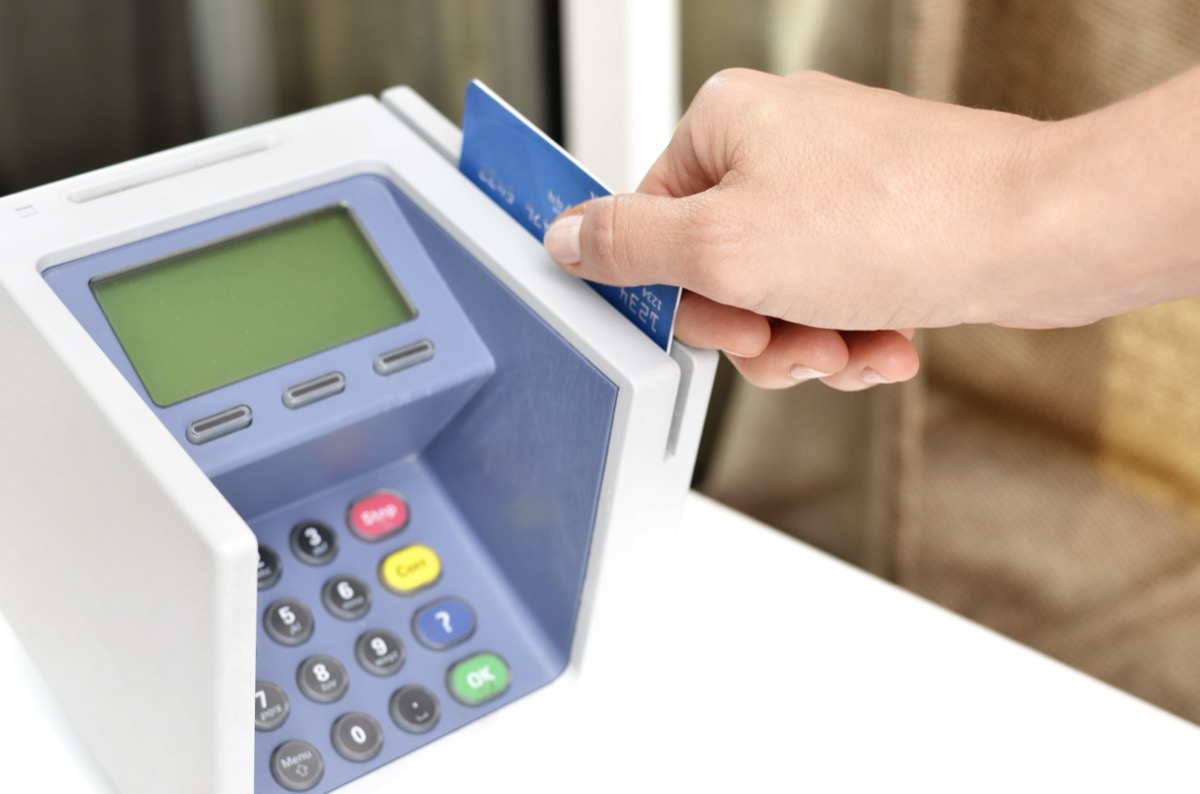
Before you can cut a fee you have to know who receives it, because two of the three parties will not move their price no matter how hard your sales rep leans in. Every card payment splits into three flows, and only one of them is a negotiation.
| Component | Roughly how much | Who gets it | Negotiable? |
|---|---|---|---|
| Interchange | Around 1.3% to 2% | The bank that issued the customer card | No, set by the card networks |
| Network assessment | A small fixed slice (well under 0.2%) | Visa, Mastercard and the other networks | No, set by the networks |
| Processor markup | Varies widely, often 0.2% to 1%+ | Your payment processor | Yes, this is the only lever |
This is the whole game in one table. When a processor advertises a low rate, they are quoting you a number that has to cover interchange and assessment (which they pass through) plus their markup. If a headline rate looks suspiciously low, the markup is usually hidden inside a bundled or tiered price where you cannot see it, and it often shows up later as downgrades, monthly fees, and mystery line items. The goal of everything below is to make the markup visible and then shrink it, while nudging more of your sales into the cheaper interchange categories.
You cannot manage a number you have never calculated. The single most useful figure in payments is your effective rate, and almost no processor prints it on the statement because it is the number that lets you comparison-shop.
Take your most recent monthly statement. Add up every fee the processor charged: the percentage on each sale, the fixed per-transaction cents, monthly fees, statement fees, PCI compliance fees, batch fees, and any gateway charge. Divide that total by your total card sales for the month. The result is your effective rate. If you processed $40,000 in card sales and paid $1,300 in total fees, your effective rate is 3.25%, whatever the headline rate on the contract said.
There are three common pricing models, and only one shows you the markup. Interchange-plus passes interchange through at cost and adds a stated markup (for example, interchange plus 0.3% and 10 cents), so you can see exactly what the processor takes. Tiered pricing sorts your transactions into qualified, mid-qualified and non-qualified buckets and buries the markup in how it grades them, which almost always costs more. Flat-rate pricing (a single rate like 2.6% and 10 cents in person) is simple and predictable, which suits low-volume or new businesses, but the processor keeps the difference between that flat rate and the real interchange, so it can be expensive once your volume grows. Ask for interchange-plus once you are doing meaningful volume, because transparency is the precondition for negotiation.
A lot of the markup hides in flat monthly charges rather than the per-swipe rate, and these are the easiest wins because they are pure padding. Look for: a monthly minimum fee, a statement or account fee, a PCI non-compliance fee (which usually disappears the moment you complete a short annual questionnaire), a gateway fee you may be paying twice, and batch or settlement fees. Many of these are negotiable or removable outright, and on a small operation they can add a full half a percent to your effective rate all on their own.
Percentages stay abstract until you put dollars on them. Take a cafe doing $40,000 a month in card sales, all in person, currently on a tiered plan with an effective rate of 3.25%. Here is how three moves stack up over a year, holding volume flat.
| Move | Effective rate | Monthly fee on $40,000 | Annual cost |
|---|---|---|---|
| Starting point (tiered plan) | Around 3.25% | Around $1,300 | Around $15,600 |
| Switch to interchange-plus, negotiate markup | Around 2.7% | Around $1,080 | Around $12,960 |
| Add junk-fee removal (PCI, statement, minimum) | Around 2.55% | Around $1,020 | Around $12,240 |
| Steer keyed orders to dip or tap where possible | Around 2.45% | Around $980 | Around $11,760 |
That is roughly $3,840 a year saved by doing nothing more than reading the statement, moving to transparent pricing, and cleaning up fees, without adding a surcharge or annoying a single customer. Keep this in perspective, though. The same cafe running $10,000 a month through a delivery app at a 30% commission is paying around $3,000 every month to that one channel. The card-fee work is worth doing, but it is a rounding error next to the delivery-app lever we get to below. For the wider cost picture, our guide to restaurant accounting basics shows where processing fees sit against your other overheads.
Once you can see the markup, it becomes negotiable in a way it never was while hidden. Processors expect this conversation, and the ones worth keeping will have it.
One caution that trips up a lot of owners: do not chase the lowest headline rate in isolation. A 2.4% teaser on a tiered plan can cost you more than a 2.7% interchange-plus quote once downgrades and junk fees are counted, because the teaser only applies to a narrow slice of perfectly qualified transactions. The effective rate is the referee, every time.
Interchange itself is fixed by the networks, but which interchange category a given transaction lands in is partly in your hands. Nudging transactions into cheaper categories is the quiet, legitimate version of cutting fees, and it costs you nothing.
A card that is physically dipped (chip) or tapped (contactless) proves the card is present, which qualifies for the cheapest interchange and pushes fraud liability toward the issuing bank. A card number typed in by hand, whether over the phone or into a terminal, is treated as card-not-present and costs more, often landing near 3.09% to 3.5% against roughly 2.3% to 2.6% for an in-person dip or tap. The practical rule: take payment in person whenever you can, and treat manual keying as the expensive exception, not the default.
For online and phone orders you cannot dip the card, but you can still hand the networks more data. Passing the full billing address and postcode (address verification) and the card security code can qualify some card-not-present transactions for marginally better interchange and, just as importantly, cuts fraud and chargebacks. A well-built online ordering flow captures this automatically. This is exactly the kind of detail a good direct-ordering system handles for you, rather than a bolt-on terminal that keys everything manually.
Passing the fee to the customer is the most direct way to zero out your processing cost, and also the one with the most rules and the most ways to get it wrong. Treat this section as a prompt to check your local law, not as permission to switch it on.
A surcharge adds a fee on top of the price when a customer pays by credit card. A cash discount does the reverse: the card price is the everyday price, and cash payers get a lower one. The two are treated differently in different regions, and the details matter enormously.
| Rule | What it usually requires | Why it bites |
|---|---|---|
| Where it is allowed | Permitted in some regions, banned or capped in others | Switching on a surcharge where it is illegal risks fines and card-network penalties |
| Cap at your cost | The surcharge cannot exceed your actual cost of acceptance | Charging more than you pay is a common, penalised mistake |
| Credit only | In many regions you may surcharge credit but never debit | Applying it to debit cards breaks the rules in most places |
| Signage | Clear notice at entry and point of sale, and on receipts | No signage means the surcharge is non-compliant even where legal |
| Registration | Some networks require advance notice before you surcharge | Skipping registration can void your right to surcharge |
Even where surcharging is fully legal, weigh the customer reaction. Diners notice a line item that makes their bill bigger at the till, and in a competitive market it can cost you goodwill and repeat visits that are worth more than the fee you recovered. A cash discount often lands softer because it is framed as a saving rather than a penalty, but it still needs correct signage and honest pricing. The safest path is to confirm the current rule for your country with your processor or a local adviser, price it exactly at your cost, and communicate it plainly.
A chargeback is not a fee in the processing sense, but it hits the same line: you lose the sale, you often lose the food, and you get charged a chargeback fee on top (commonly around $15 to $25 per dispute, region-dependent). Enough of them and a processor can raise your rate or drop you entirely, so keeping them low is a real cost lever.
If you want the full mechanics of how a dispute flows and how to fight one, our explainer on what a chargeback is walks through the process end to end.
Here is the part that dwarfs everything above. All the card-fee tactics in this guide fight over a couple of tenths of a percent. The third-party delivery apps take 15% to 30% of the entire order, which is five to ten times your whole card processing cost, on every single order they carry. If you are serious about the cost of taking payment, this is where the money is.
| Channel | Typical take on the order | Cost on a $10,000 month |
|---|---|---|
| Card processing (in person, well managed) | Around 2.3% to 2.6% | Around $230 to $260 |
| Direct online ordering (own channel) | From around 2.5% per order | Around $250 |
| DoorDash Basic delivery | Around 15% | Around $1,500 |
| Uber Eats Lite (raised Mar 2026) | Around 20% | Around $2,000 |
| DoorDash Premier / Uber Eats Premium | Around 30% | Around $3,000 |
Read the top and bottom rows together. The same $10,000 in orders costs around $250 through a direct channel you own, or up to $3,000 through a top marketplace tier. That is not an argument to delete the apps, which do genuine discovery work and bring you new customers. It is an argument to stop routing your repeat customers, the ones who already know your name, through a 15% to 30% toll. Direct online ordering is the best payment-cost lever for a food business in 2026 because it attacks the single largest cost on the exact orders that need the least marketing to win.
The move is to run the marketplaces for acquisition while pushing loyal diners to a direct ordering channel that can start from around 2.5% per order, so every order you shift keeps far more of the ticket and lowers your blended cost across all channels. Our breakdown of food delivery commission rates lays out exactly what each platform takes, and if you want to see how a few points of blended cost move the bottom line, our guide to restaurant profit margins puts it in context.
The honest verdict: cutting card processing fees is real, worthwhile work, and most food businesses can trim a quarter to half a percent off their effective rate just by measuring it, moving to interchange-plus, negotiating the markup, and clearing out junk fees. Do all of that. Then put it in proportion. The largest cost of taking payment in a modern food business is not the card rate at all, it is the 15% to 30% you hand the delivery apps, and the way to fix that is a direct ordering channel you own. Trim the markup, and blend the delivery rate down. The second number is the one that changes your year.
What is a good credit card processing rate for a restaurant?
A healthy blended effective rate for a food business in 2026 is around 2.3% to 2.9%, and anything creeping toward 3.5% usually means either a lot of keyed or online volume or a fat processor markup you can trim. The effective rate is the only number that matters: take your total card fees for a month and divide by your total card sales. Compare that single figure across processors, not the headline per-swipe rate they advertise, because the advertised rate almost never includes the markup and monthly costs that make up your real bill.
Can you negotiate credit card processing fees?
You can negotiate the processor markup, which is the only part of the fee that is actually theirs to move. Interchange (around 1.3% to 2%) is set by the card networks and goes to the card-issuing bank, and the network assessment is a small fixed slice, so neither is negotiable no matter what a sales rep implies. What you can push on is the markup added on top, plus monthly fees, statement fees, PCI fees, and batch fees. Ask for interchange-plus pricing so the markup is visible, then negotiate that markup or take a competing quote and ask your current processor to match it.
Is it legal to charge customers a credit card surcharge?
It depends entirely on where you operate, so check your local rules before you switch anything on. Surcharging is permitted in many places but banned or capped in others, and even where it is allowed the card networks impose rules: you generally must post clear signage, cap the surcharge at your actual cost of acceptance, apply it only to credit (not debit) in many regions, and sometimes register the surcharge in advance. A cash discount, where the card price is the standard price and cash buyers pay less, is treated more leniently in some regions, but it still needs correct signage. Get the current rule for your country confirmed rather than assuming.
Why are online and keyed card payments more expensive?
Card-not-present transactions carry higher interchange and higher fraud risk, so both the networks and your processor charge more for them. A card physically dipped or tapped in person proves the card is present and pushes liability toward the issuer, which earns the cheapest rates. Typing a card number by phone, or taking it online without the right data, lands in a pricier card-not-present category, often around 3.09% to 3.5% versus roughly 2.3% to 2.6% in person. Passing full address and postcode data on card-not-present sales can qualify some transactions for slightly better interchange, which is what interchange optimisation means.
What is the single biggest way to cut payment costs for a restaurant?
Shift volume off the third-party delivery apps and onto your own direct ordering. A card processing fee lives in the low single digits (roughly 2.3% to 3.5% all in), while Uber Eats and DoorDash take 15% to 30% of the whole order. That marketplace commission dwarfs any processing saving, so moving repeat customers to a direct channel that can start from around 2.5% per order does far more for your margin than shaving 0.2% off your card rate ever will. Trim the card markup and blend the delivery rate down: the second lever is many times larger.
Does going cashless save money on fees?
Not usually, and often the opposite. Going cashless removes cash-handling effort and shrinkage but it routes every single sale through the card rails, so your total processing fees rise even if your per-transaction rate does not change. Cash costs you time and security risk rather than a percentage fee, so a fully cashless venue is choosing to pay card fees on the sales that used to cost nothing to accept. The decision should be about speed, safety, and customer preference, not an assumption that cashless is cheaper, because on fees alone it generally is not.
Storefront, orders, kitchen, CRM and marketing in one place. Start free in a couple of minutes, no card needed. Pop in your email and we'll take you straight to setup.
A chargeback is a forced card reversal when a customer disputes a charge with their bank. Here is how it works, how it differs from a refund, and how to prevent and win disputes.
One dish can look like a winner and still barely pay its way. Contribution margin is the number that tells you, and this shows how to cost it.
Guessing a menu price and hoping the margin holds is a slow way to lose money. Enter a plate cost and target food cost, get a price you can defend.
Storefront, POS, kitchen, CRM, marketing. One login, one bill. NZ$1/month for the first 3 months.
Start free trial