What is a chargeback? A restaurant owner's guide
A chargeback is a forced card reversal when a customer disputes a charge with their bank. Here is how it works, how it differs from a refund, and how to prevent and win disputes.

Winning function and private dining bookings, from enquiry handling to deposits and run sheets

Short answer: functions and private dining are the highest-margin revenue most restaurants under-work, because the money behaves better than walk-in trade. Demand is pre-sold with a deposit, so the date is locked before you spend a cent. Production is batched: a set menu is one production run, not thirty separate à-la-carte adventures, which tightens food cost and labour. Spend per head is committed before anyone walks in, and functions fill your quiet nights and shoulder times instead of competing for your busy Saturday. The catch is that most venues treat functions as favours squeezed in around service, rather than a product with a page, packages and prices. Build the system below and it becomes predictable income.
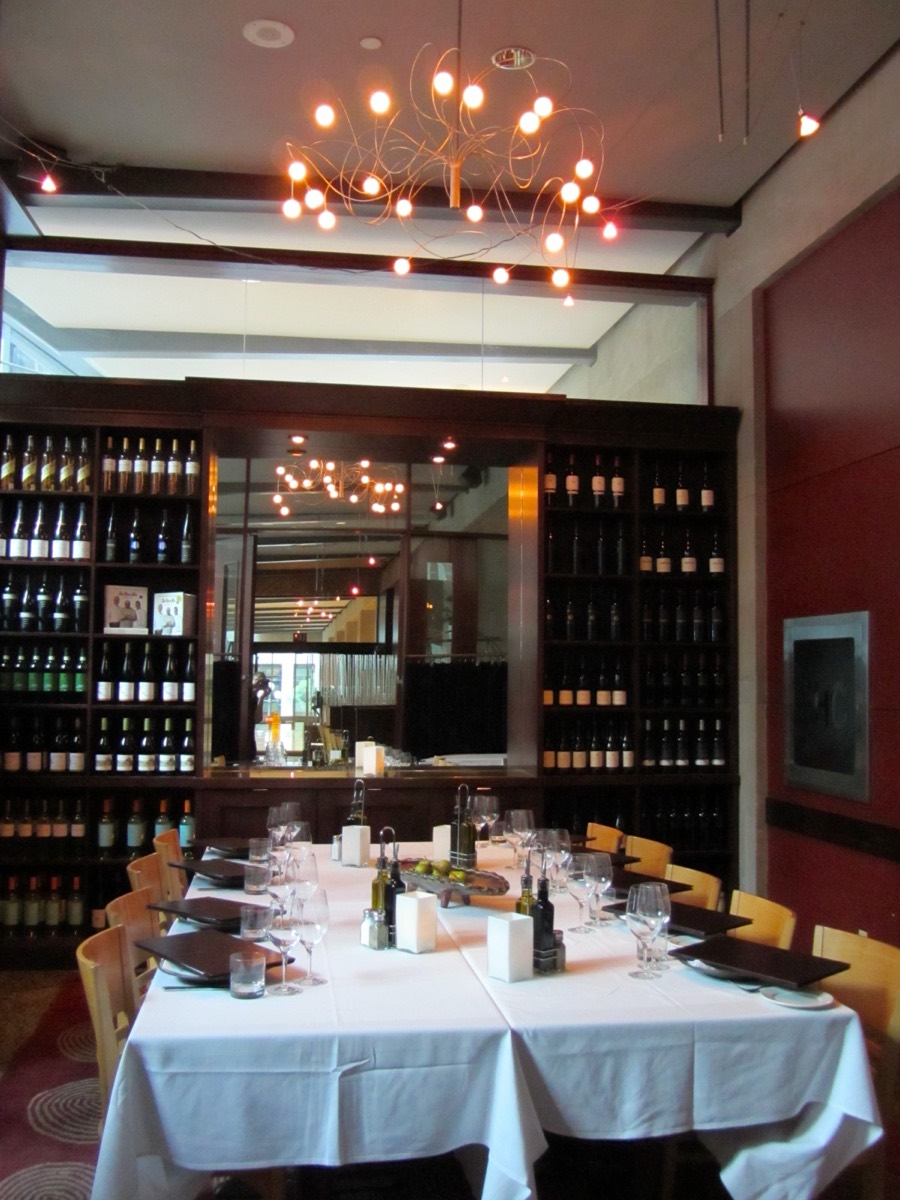
A walk-in is a gamble you take every single service: you buy stock, roster staff, and hope enough covers arrive to justify it. A function inverts that. The economics are structurally better for four reasons, and none of them require you to invent a number to see it.
Put those together and a function is lower-risk and higher-margin than the equivalent revenue in walk-in trade. It also stacks: a well-run function seeds the next one, because everyone in the room just saw what you do. Pair this with the seasonal push in our holiday season playbook, when function demand peaks and your quiet nights vanish.
Functions convert when you treat the enquiry like a sale with stages, not an email you reply to when you get a minute. Functions buy fast, so speed at the top of the pipeline wins the booking. Here is the whole flow, and what has to happen at each stage.
| Stage | What happens | The rule |
|---|---|---|
| Enquiry | Someone asks about a date and a group size. | Answer within hours. Functions compare venues fast; the first useful reply often wins. |
| Site visit or quote | Send two or three per-head packages priced from your cost card, or walk them through the space. | Lead with packages and prices, not questions. Make it easy to say yes. |
| Deposit | Client pays a deposit to confirm. | A date is not booked until money moves. Everything before this is pencilled, not held. |
| Pre-orders and final numbers | Collect menu choices and dietary flags; confirm the head count. | Cutoff at 7 days out. Client pays for confirmed numbers from here. |
| Run sheet | Build the plan for the night: staffing, timings, dietary flags, service order. | One document the whole team reads. No verbal-only handovers. |
| Follow-up | Thank them, share photos, plant the rebooking hook. | Within 48 hours, while the night is still warm. |
The two stages people skip are the deposit and the follow-up. Skip the deposit and you hold dates for people who never confirm, then a real booking calls and the slot is gone. Skip the follow-up and you throw away the warmest lead you will ever have. The same deposit discipline that protects functions also protects your regular covers: see our guide to reducing no-shows for the wider policy.
A function menu is not your à-la-carte list with a border around it. It is a set of two or three per-head packages, each built from dishes that share prep and hold well at volume. That constraint is the whole point: it is what makes the margin predictable. Price every package from your cost card the same way you price everything else, and offer tiers so clients trade up on their own.
A quick worked example. Say your two-course package costs you NZ$18 a head in food and you target a 30 percent food cost. That prices at NZ$60 a head (18 divided by 0.30). A party of 40 on that package is NZ$2,400 in pre-sold food revenue before a single drink is poured, produced as one batched run. The set-menu discipline is why you can trust that number: for the underlying costing method, see menu engineering and pricing.
Everything you agree verbally becomes a dispute later. A one-page confirmation the client signs is not bureaucracy, it is the difference between a clean event and an argument at checkout. Keep it plain and put these five things in writing.
The load-bearing clause is pay-for-confirmed-numbers. Attendance drops on the day for a hundred reasons you cannot control; your food order and roster were locked at cutoff and cannot. When the client confirmed 40 at the seven-day mark, the bill is for 40. Tell them this at booking, remind them before the cutoff, and it never becomes a fight.
You do not need a marketing budget for functions. You need to notice the demand already moving through your room and give it somewhere to land. The sources, roughly in order of value:
If your kitchen can also cook off-site, functions and catering share most of this playbook: our catering guide extends it to delivered and drop-off work, another pre-sold, batched revenue line.
How much deposit should I ask for on a function booking?
A deposit of 15–25 percent of the estimated total, or a flat per-head figure, is standard for private dining. The point is not the amount, it is the commitment: a date is not held until money moves. Deposits filter tyre-kickers, cover your setup risk, and are named as non-refundable inside a set notice window. State clearly whether the deposit is credited against the final bill or held separately. Take it by card at the time of booking, not on a promise to pay later.
When should I take final numbers for a function?
Seven days before the event is the workable cutoff for most kitchens, giving you time to order and roster to the confirmed head count. The rule that protects your margin: the client pays for the numbers they confirm at cutoff, even if fewer people turn up. Attendance can drop, your food cost and staffing cannot. Put the cutoff date and the pay-for-confirmed rule in writing at booking, and send a reminder two days before it lands so there are no surprises.
Should I charge room hire or set a minimum spend?
For an exclusive-use space, a minimum spend almost always beats a room-hire fee. The psychology is simple: a client resents paying for an empty room, but happily commits money that turns into food and drink they get to enjoy. Set the minimum at the revenue you would earn from that space on a normal busy night, then let packages and beverage build toward it. If they fall short, the shortfall is charged. You protect the seat value without the fee feeling like a penalty.
How do I price a per-head function menu?
Build it from your cost card, not by copying a competitor. Cost every dish in the set menu, add them for a per-head food cost, then divide by your target food-cost percentage to get the price. Because a set menu is a batched production run, your costs are tighter and more predictable than à la carte, so you can price with confidence. Offer two or three tiers so the client self-selects up, and make sure the dishes at each tier share prep and hold well at volume.
Where do function enquiries actually come from?
Your best source is your own dining room: train floor staff to spot birthdays, engagements and work milestones and hand over a card. After that, your email list, corporate neighbours within walking distance, venue-hire directories, and Google searches for private dining plus your suburb. The one thing that unlocks all of these is a real functions page on your website with packages and prices, not a contact form. People planning an event compare in tabs, and a venue with no prices online gets skipped.
What surcharges are fair to add to a function bill?
Any surcharge is fair if it is stated up front and never a surprise on the final invoice. Common ones: a public-holiday surcharge that matches your normal trading policy, a service charge on large groups, and cleaning or damage terms for exclusive-use spaces. Put every one of them in the booking confirmation the client signs, in plain language. The failure is not charging them, it is springing them. A guest who was told at booking accepts the line; a guest who discovers it at checkout writes the review.
Storefront, orders, kitchen, CRM and marketing in one place. Start free in a couple of minutes, no card needed. Pop in your email and we'll take you straight to setup.
A chargeback is a forced card reversal when a customer disputes a charge with their bank. Here is how it works, how it differs from a refund, and how to prevent and win disputes.
Card processing fees get treated as fixed, and they rarely are. Read your effective rate, negotiate the markup, optimise interchange, then pull the biggest lever.
One dish can look like a winner and still barely pay its way. Contribution margin is the number that tells you, and this shows how to cost it.
Storefront, POS, kitchen, CRM, marketing. One login, one bill. NZ$1/month for the first 3 months.
Start free trial