How to Price Catering Jobs (With Examples) (2026)
Quoting a catering job on gut feel is how you end up working a Saturday for nothing. Pricing catering, line by line, with two costed examples.

Reminders, deposits, and turning a cancellation into a filled table.

Short answer: no-shows normally run 15–25% of bookings, and past 30% on busy nights when nothing is at stake. The fix is a ladder, cheapest first: confirm the booking, send a reminder 24–48 hours out, make cancelling one tap, and for high-demand slots take a deposit or card hold. Reminders alone cut no-shows 30–50%, deposits by around half, and card holds can drop the rate to roughly 3%. You do not need all of it, just the rungs that fit your restaurant.
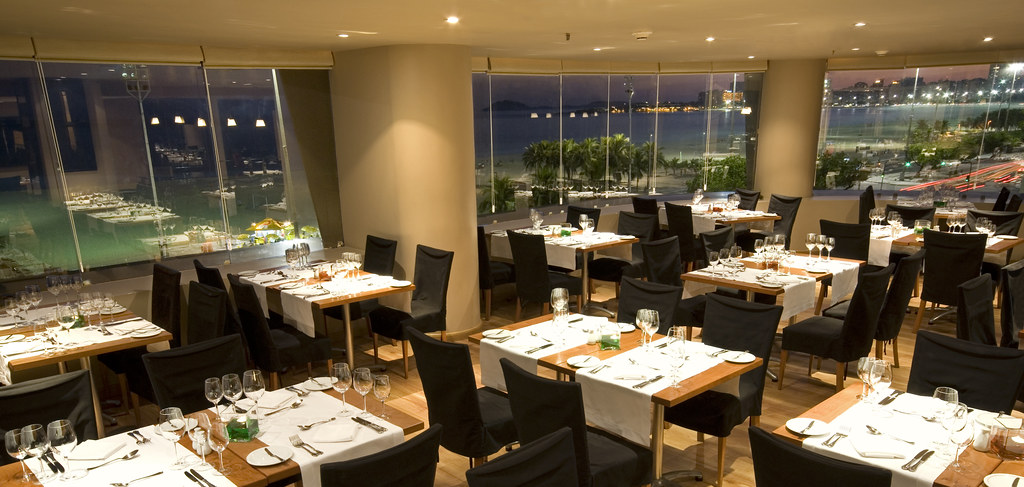
Most no-shows are not malice, they are friction and forgetfulness. Someone books three restaurants for Friday and picks one on the day. A plan changes and cancelling feels awkward, so they just do not turn up. Around a third of no-show guests say they would have come if something had reminded them. That is the good news: most of the problem is fixable with a nudge and an easy exit.
| Fix | Typical impact | When to use it |
|---|---|---|
| Confirm at the time of booking | Sets the expectation | Always |
| Reminder 24–48h before (by text) | Cuts no-shows 30–50% | Always |
| One-tap cancel + a waitlist | Refills freed tables | Always |
| Clear, kind cancellation policy | Fewer silent no-shows | Always |
| Deposit or card hold | Cuts no-shows ~55%; holds ~3% | Peak nights, big groups, set menus |
A reminder only works if it is read, and text is read. SMS open rates sit around 98%, usually within minutes, against under 20% for marketing email. A short confirmation when the booking is made and one reminder the day before is the whole play. Include the date, time, party size and a one-tap way to confirm, change or cancel. The same customer list that sends these can later send a “we miss you” note or an offer, which is where email and SMS marketing earns its keep.
Deposits work, but they add friction, so aim them where a no-show actually costs you: Friday and Saturday peak, tables of six or more, and any set-menu or event you buy and prep for. A small per-head deposit or a card hold, clearly explained and easy to get back if they give notice, cuts those no-shows by roughly half. Keep a Tuesday table for two friction-free.
Half the battle is making it easy for a guest to release a table they cannot use. A one-tap cancel link, paired with a waitlist you can text the moment a slot opens, turns a dead table into a booked one. And the guests worth protecting most are your regulars, so pair all of this with a plan to keep them coming back and to bring new ones in.
Before you pick a fix, put a dollar figure on the problem. It is almost always bigger than owners guess, because an empty booked table is worse than an empty walk-in table: you turned away the walk-in who would have taken it.
Say you book 60 covers on a busy night, your average spend is NZ$50 a head, and you trade two genuinely busy nights a week (104 a year). Here is what different no-show rates cost you on those nights alone.
| No-show rate | Empty covers per night | Lost per night | Lost per year (104 nights) |
|---|---|---|---|
| 20% | 12 | NZ$600 | NZ$62,400 |
| 10% | 6 | NZ$300 | NZ$31,200 |
| 5% | 3 | NZ$150 | NZ$15,600 |
The arithmetic is simple but the takeaway is not. Halving your rate from 20 to 10% is worth about NZ$31,000 a year here, and it costs almost nothing to try. A text reminder that lifts confirmations is the highest-return move on the list, which is why it sits at the top of the ladder. If you run a proper booking tool, this number is already sitting in your reports; see the best restaurant reservation systems for tools that track it for you.
Most restaurants that struggle with no-shows are not missing a policy. They are quietly undermining the one they have. Watch for these.
What is a normal no-show rate for a restaurant?
Most restaurants see 15–25% of booked covers not turn up, and it can climb past 30% for popular weekend slots at venues that take no deposit. Prepaid and tasting-menu bookings sit far lower, often 5–8%, because the guest has money on the line. If you are not measuring your rate, start there. You cannot fix what you do not track.
Do SMS reminders actually reduce no-shows?
Yes, and they are the highest-return fix you can make. A confirmation when the booking is made, plus a reminder 24–48 hours before, typically cuts no-shows by 30–50%. Text beats email here: SMS is opened around 98% of the time, usually within minutes. Roughly a third of no-show guests say they simply forgot and would have come if reminded.
Should I charge a deposit or take card details?
For high-demand slots, large groups and set-menu events, yes. Taking a deposit or a card hold cuts no-shows sharply, by around half in most data, and card holds can push the rate into low single digits. Keep everyday bookings friction-free and reserve deposits for the times a no-show really hurts: peak nights, big tables and anything you prep to order.
How do I write a fair cancellation policy?
State it simply at the time of booking: how much notice you need (24–48 hours is common) and what happens if they do not show (a per-head charge or loss of deposit). Make it one tap to cancel or change, so a guest who cannot come frees the table instead of ghosting. A clear, kind policy that is easy to comply with beats a harsh one nobody reads.
How much do restaurant no-shows cost?
It depends on your covers and average spend, but the number is usually larger than owners expect. A venue booking 60 covers a night at NZ$50 a head with a 20% no-show rate loses around NZ$600 a night, or roughly NZ$62,000 a year across its busy nights. Cutting that rate in half is often worth tens of thousands of dollars for almost no cost.
Can I charge a fee for a no-show?
Yes, provided the guest agreed to it before booking. In New Zealand and most markets a no-show or late-cancellation fee is enforceable when your policy is clearly stated at the time of booking and the guest accepts it, usually by saving a card or paying a deposit. Keep the fee reasonable, tied to the actual loss, and make the cancellation window fair so it reads as protection rather than a penalty.
Storefront, orders, kitchen, CRM and marketing in one place. Start free in a couple of minutes, no card needed. Pop in your email and we'll take you straight to setup.
Quoting a catering job on gut feel is how you end up working a Saturday for nothing. Pricing catering, line by line, with two costed examples.
Label it or bin it: the argument only ends when everyone reads the same shelf life chart. Fridge and freezer times for prepped food, with day dots and FIFO.
Nobody enjoys counting the walk-in on a Sunday night. This stocktake procedure is quick enough to keep up, and turns food cost from a guess into a fact.
Storefront, POS, kitchen, CRM, marketing. One login, one bill. NZ$1/month for the first 3 months.
Start free trial