How to Price Catering Jobs (With Examples) (2026)
Quoting a catering job on gut feel is how you end up working a Saturday for nothing. Pricing catering, line by line, with two costed examples.

October planning, function deposits, set menus, gift cards and the January follow-up

Short answer: December is won in October. The playbook: open function bookings early with deposits on everything (holiday no-shows are the season’s margin killer), build set menus that let the kitchen produce at volume, get the gift-card machine visible everywhere because 40–60% of annual card sales land in these weeks, hire casuals before the labour pool empties, and plan the January follow-through in advance, because the season’s real prize is not one huge month, it is the cash buffer and the hundreds of new contacts it can leave behind. Here is the timeline, the maths and the checklists.
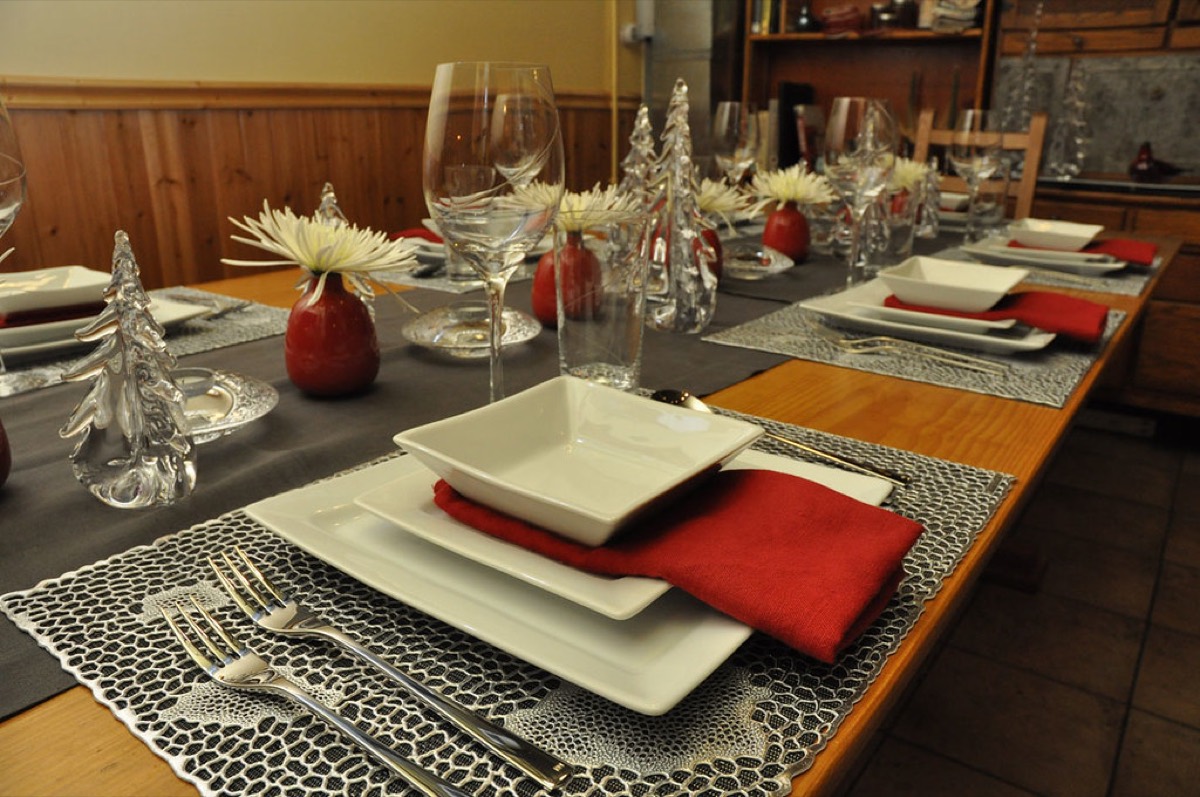
Functions are December’s profit engine and its biggest risk, a 30-person no-show or a chaotic overbook can wreck a peak week. The discipline: deposits on every function (standard, expected, and they convert “interested” into committed, the psychology is the no-show playbook at scale); set menus so a table of thirty is a production run, not thirty à-la-carte adventures (pre-orders for large groups a week out turn the kitchen into a factory in the best sense); and capacity honesty, map your December calendar’s real covers-per-service and stop selling when it is sold, because the party you squeeze in at the cost of every other table’s night is the one that writes the reviews. Route every deposit straight into the cash-flow picture; December deposits are January’s payroll.
Holiday weeks deliver 40–60% of the year’s gift-card sales, cash today for visits in your quietest months, from redeemers who typically spend past the card’s value. The full economics live in the gift-card guide; the December execution is four moves: counter display where every payer sees it, the online card one click from your homepage (the December 23rd buyer is a digital buyer), a staff line for happy tables (“we do gift cards, if anyone’s hard to shop for”), and two emails to the list, one late November, one “last-minute gifts, delivered by email” in the final days. This is simultaneously your best marketing and your best cash-flow lever of the year.
December staffing fails in two directions: too few people (service quality collapses exactly when new customers are judging you) and burnt-out people (December exhaustion writes January resignations, and replacing staff costs thousands). The middle path: hire and train casuals in October, roster to booked covers rather than vibes (your bookings calendar makes December unusually forecastable), publish rosters earlier than usual, staff have their own seasons to plan, and build recovery into the pattern: nobody closes five peak nights straight, and the core team gets protected days. A thank-you gesture that lands BEFORE the rush (not after) buys more goodwill than any January bonus.
The weeks themselves are an execution game you have already set up: pre-shift briefings tighten (tonight’s functions, the pre-orders, the one service focus), the turnover levers run at full strength (QR pay kills the payment queue on big tables), 86s get communicated instantly, and someone owns the bookings inbox hourly because December enquiries buy fast and forgive slowly. Watch the same weekly numbers, they spike, but the ratios still tell the truth, and a 70% prime-cost December week is still a problem, just a busy one.
The season’s most-skipped play: December fills the room with strangers; the first January week decides if any of them come back. Reconcile the gift-card liability, thank the season’s new contacts with a reason to return, welcome card-redeemers like the warm leads they are (they arrive in your quietest month, holding money that must be spent with you), and write down the operational lessons while they hurt. A December that leaves behind a cash reserve, three hundred new list contacts and a page of notes was a strategy; one that leaves exhaustion and a blur was just weather.
How early should a restaurant plan for the holiday season?
Two months out, October for the December peak. That is when function enquiries start arriving, gift-card stock needs ordering, casual staff need hiring before the market empties, and set menus need costing. Venues that “start thinking about Christmas” in late November spend the season reacting; the ones that planned in October spend it banking.
How do restaurants handle Christmas bookings and functions?
Three rules: deposits on every function and large table (holiday no-shows are margin killers, and deposits all but eliminate them), set menus for groups (pre-costed, pre-ordered where possible, so the kitchen produces at volume without chaos), and honest capacity maths, an overbooked December Friday burns regulars precisely when reputation matters most. The no-show playbook applies at double strength in December.
Why are gift cards such a big deal at Christmas?
Because 40–60% of annual gift-card sales land in the holiday weeks, and every card is cash now for a visit later, usually in your quietest months, from a redeemer who often overspends the card’s value. A visible counter display, an online card, staff mentioning it to happy tables, and one email to your list is the whole machine, and it doubles as January’s cash flow.
How do I staff for the holiday rush without overspending?
Hire casuals in October (the pool is gone by mid-November), roster to booked covers rather than hope, build split shifts around your actual booking curve, and protect your core team from burnout, December exhaustion writes January resignations. Publish rosters extra-early in the season; staff have their own Christmases to plan, and schedule chaos in December churns faster than any other month.
Should I run special menus during the holidays?
Yes, for groups and peak services: a set menu at two or three price points, built from dishes that share prep and hold well at volume. It concentrates purchasing (better supplier pricing), speeds the kitchen (predictable production), lifts spend per head (pre-committed courses), and makes deposits natural (“$20pp secures the table and the menu”). Cost it properly, holiday volume on a mispriced menu just scales the mistake.
What should restaurants do in the first week of January?
Bank the lessons while they are warm: reconcile gift-card liability, record what sold out and what died, note the staffing pinch points, and send the thank-you email to the season’s new customers with a reason to return (gift-card redeemers especially, they are warm leads standing in your quietest month). December fills the room; the first January week decides whether it filled the customer list too.
Storefront, orders, kitchen, CRM and marketing in one place. Start free in a couple of minutes, no card needed. Pop in your email and we'll take you straight to setup.
Quoting a catering job on gut feel is how you end up working a Saturday for nothing. Pricing catering, line by line, with two costed examples.
Label it or bin it: the argument only ends when everyone reads the same shelf life chart. Fridge and freezer times for prepped food, with day dots and FIFO.
Nobody enjoys counting the walk-in on a Sunday night. This stocktake procedure is quick enough to keep up, and turns food cost from a guess into a fact.
Storefront, POS, kitchen, CRM, marketing. One login, one bill. NZ$1/month for the first 3 months.
Start free trial