How to make a QR code menu (free, 2026)
Reprinting menus for one price change gets old fast. Build a QR code menu free in about ten minutes, and see where a static code stops and QR ordering begins.

Fifteen tactics that work, and the leaks to plug before you spend a cent.

Short answer: the fastest, cheapest growth for most food businesses comes from four things, a fully-filled Google Business Profile, a steady flow of reviews, making ordering one tap, and owning a customer list you can bring back. Do those before you spend a dollar on ads. Here are 15 tactics, in roughly the order we’d tackle them.
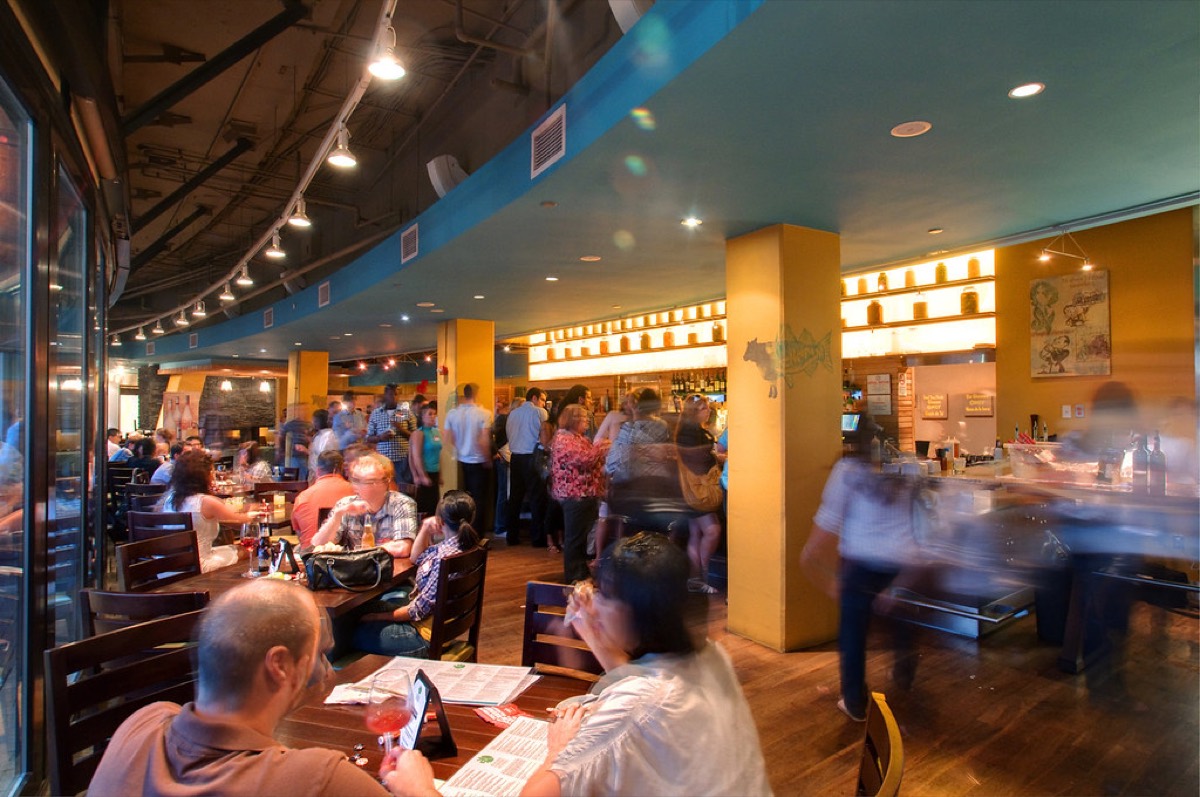
Getting attention is pointless if it leaks away. Before chasing new customers, make sure people can find your hours, see your menu, and order in a couple of taps. A confusing PDF menu or a dead “order” button quietly costs you more than any campaign will earn.
You don’t need all 15 at once. Start with your Google profile and reviews this week, switch on one-tap ordering and a customer list next, then layer in loyalty and win-backs. The compounding is the point: every regular you keep is one you don’t have to pay to find again.
Every tactic has a real cost, even the free ones, because your time is not free. The useful question is not which channel is cheapest, it is which one wins customers who come back. A regular who visits monthly is worth far more than a one-off deal hunter, so weigh cost to acquire against how loyal that channel tends to be.
| Channel | Typical cost to win a customer | Best for |
|---|---|---|
| Google Business Profile | Time only, no spend | Steady local discovery |
| Word of mouth and referrals | Low, a small reward per referral | High-trust new customers |
| Loyalty and repeat nudges | Low, mostly the reward value | Bringing existing customers back |
| Local social media (organic) | Time only | Awareness and personality |
| Paid social ads | Roughly 5 to 20 dollars per new customer | Fast reach for a launch or slow week |
| Marketplace delivery apps | 15 to 30% commission on every order | Discovery, but you do not own the customer |
Here is why the last row stings. Say your average order is 40 dollars and a marketplace charges 25% commission. That is 10 dollars gone on every single order, forever, not just the first one. Spend that same 10 dollars once to win a customer through your own channel and each repeat visit after that keeps far more of the ticket, since taking the order direct costs from 2.5% per order plus card processing rather than a fresh commission cut every time.
The move is to use the apps for discovery if you like, then work hard to bring those people onto a channel you own. A well-kept Google Business Profile and a simple loyalty programme are the two lowest-cost, highest-return places to start.
Most restaurants do not have a traffic problem, they have a leak or a habit that undoes the good work. Watch for these.
What is the fastest way to get more restaurant customers?
Claim and fully fill out your Google Business Profile, then get a steady stream of fresh reviews. For most independents this is the single biggest free lever, it’s what shows up when someone nearby searches “food near me”, and it works within days.
How do I get repeat customers, not just new ones?
Own your customer list and give people a reason to come back: capture an email or phone at the point of order, run a simple loyalty program, and message lapsed regulars with a small offer. Repeat customers are far cheaper than new ones.
Do I need to pay for ads to grow a restaurant?
No, most of the highest-return tactics are free: your Google profile, reviews, your own ordering link, loyalty, and using receipts and packaging as ads. Paid ads can help later, but fix the free leaks first.
How do I get more customers on slow days?
Send a same-day offer to your customer list (“Tuesday only: free side with any main”), run a limited special, or partner with a nearby business. Because you’re messaging people who already like you, it converts cheaply.
How do I know which marketing is actually working?
Give every campaign a way to be counted. Use a unique promo code, a tracked link, or a simple question at the till like where did you hear about us. Then check which channels drove real orders, not just likes, and put more time and money into the ones that pay back.
How much should a restaurant spend on marketing?
A common guide is roughly 3 to 6% of revenue, higher when you are new or launching something. But start with the free and low-cost channels first, since your Google profile, reviews, and loyalty follow-ups often outperform paid ads dollar for dollar. Only scale paid spend once you can measure a clear return.
Storefront, orders, kitchen, CRM and marketing in one place. Start free in a couple of minutes, no card needed. Pop in your email and we'll take you straight to setup.
Reprinting menus for one price change gets old fast. Build a QR code menu free in about ten minutes, and see where a static code stops and QR ordering begins.
Somewhere along the way you ended up with nine logins that do not talk. This maps the restaurant tech stack layer by layer, and what a dozen point tools really cost.
Average order value is total revenue divided by number of orders. Here is how to calculate it, why it beats chasing traffic for margin, and how to raise it.
Storefront, POS, kitchen, CRM, marketing. One login, one bill. NZ$1/month for the first 3 months.
Start free trial