Restaurant menu design: the layout tricks that lift spend
Menu design is not decoration, it is where guests decide what to spend. Scanning patterns, price placement, typography, and a one-page redesign checklist.

Program types compared, how to design one people actually use, and how to measure it

Short answer: loyalty works because your regulars already drive most of your sales, and keeping a customer is far cheaper than winning a new one. Industry figures suggest regulars account for 65–80% of restaurant sales, retaining a customer is roughly five to seven times cheaper than acquiring one, and a 5% lift in retention can raise profit by 25% or more. The catch: most programs fail because they are too hard to earn, the reward is weak, or they never capture the customer’s details. Keep it simple, valuable and connected to data you own.
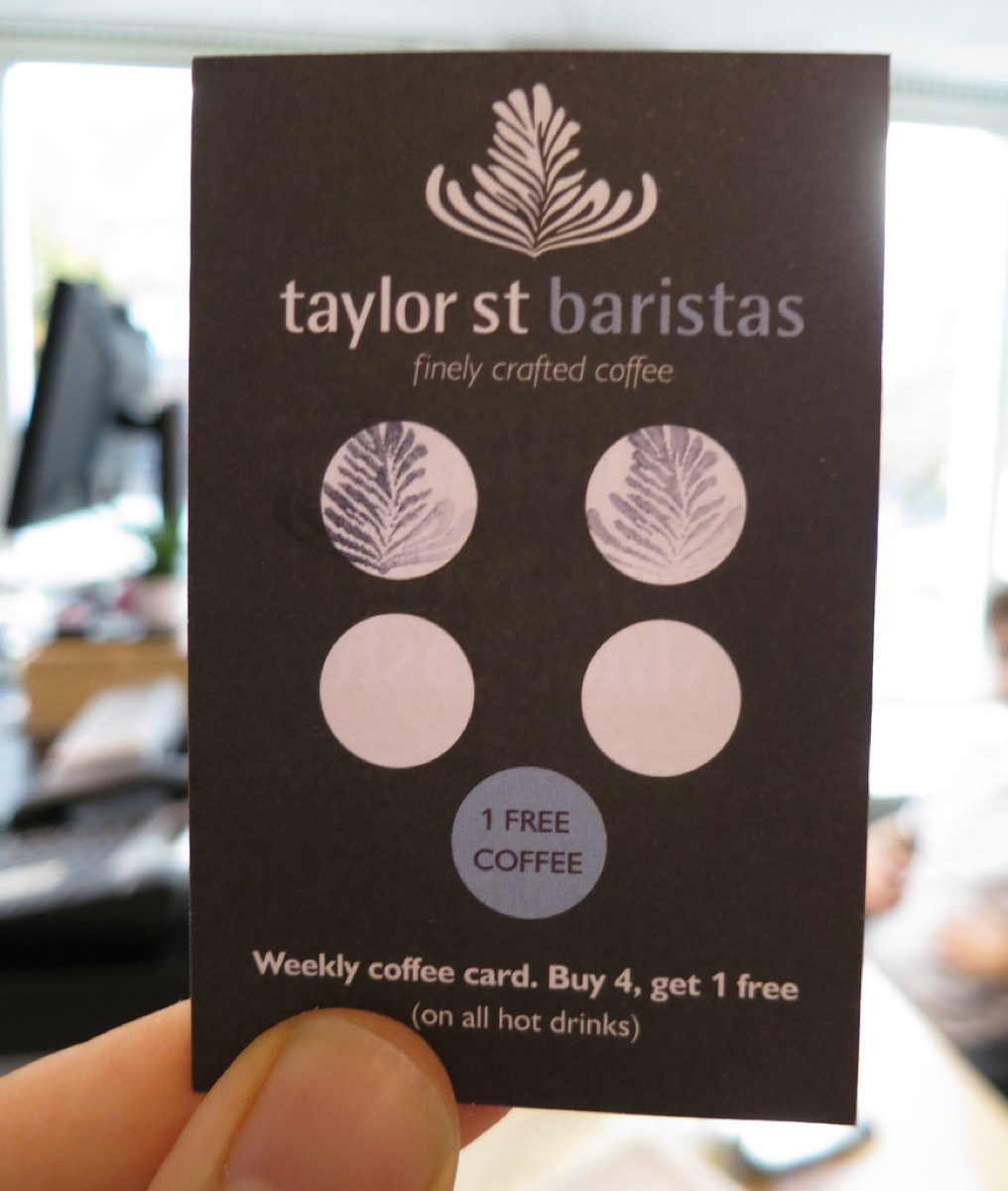
Loyalty sounds soft until you follow the money. Take a café with a $6 average spend. A casual customer drops in twice a month, about $144 a year. Nudge that same person to a weekly visit with a simple card and they are worth roughly $312 a year, and it cost you almost nothing because you already had their custom, you just gave them a reason to choose you over the place next door.
| Casual customer | Loyalty member | |
|---|---|---|
| Average spend | $6 | $6 |
| Visits per month | ~2 | ~4 |
| Annual value | ~$144 | ~$312 |
| Cost to acquire again | Pay to re-reach | Already on your list |
Now the reward. A “buy nine, get the tenth free” costs you the ingredient cost of one coffee, maybe a dollar, against nine paid at $6. That is an effective discount of under 2%, funded entirely by the doubling in visits above. This is why the industry rule of thumb, that keeping a customer is five to seven times cheaper than winning one, holds up on a napkin: you are spending cents to protect dollars you would otherwise have to pay an ad platform to win back. It compounds hardest when loyalty rides on orders you own rather than a marketplace, because then you keep the margin and the relationship.
| Type | How it works | Best for |
|---|---|---|
| Visit-based (punch card) | Buy 9, get the 10th free | Cafes, quick-service, simple habits |
| Points per dollar | Earn points, redeem for rewards | Higher-ticket, varied spend |
| Store credit / cashback | Earn credit to spend next time | Feels generous, pulls people back |
| Tiered | Bigger perks as members spend more | Rewarding your best customers |
| Subscription | Pay monthly for ongoing perks | Frequent regulars (a coffee club) |
The reward has to feel generous to the customer while costing you little, which is easier than it sounds because menu price and your cost are two different numbers. Reward with high-margin items (coffee, a side, a dessert), where the perceived value to the guest is several times your ingredient cost. A free flat white reads as a $6 gift and costs you around a dollar. A 15% blanket discount, by contrast, comes straight off every already-thin margin and trains people to wait for the discount, avoid it.
Watch three numbers: your repeat-visit rate, the share of sales from members, and members’ average spend versus non-members. If members visit more and spend more (they almost always do), the program is working. Then use the list you have built to fill quiet nights and win back people who have not visited in a while, which is exactly where email and SMS marketing comes in. Loyalty is one lever among several for growth; the wider set is in how to get more customers.
Do restaurant loyalty programs actually work?
Yes, when they are simple and genuinely valuable. Regulars drive the majority of most restaurants’ sales, and industry figures suggest keeping a customer is roughly five to seven times cheaper than winning a new one, with even a small lift in retention producing an outsized jump in profit. Loyalty members typically visit more often and spend more per visit. Programs fail when they are hard to earn, offer a weak reward, or do not capture the customer’s details.
What is the best type of loyalty program for a restaurant?
The best type is the simplest one your customers will actually use. Visit-based (buy nine, get the tenth) is dead easy to understand; points-per-dollar suits higher-ticket venues; store credit and cashback feel generous and pull people back; tiers reward your best customers. Start simple, make the first reward reachable within a few visits, and only add complexity if the data says to.
How do I start a loyalty program?
Pick one simple mechanic, decide a reward that is valuable to the customer but affordable to you, and make signing up frictionless (ideally it happens automatically when someone orders). Capture an email or phone number so you can actually reach members, then promote it at the counter, on receipts and online. The biggest early win is just capturing contact details you can market to for free.
How much does a loyalty program cost to run?
The main cost is the reward itself (a free coffee, a discount, store credit), which you control, plus whatever software you use to run it. If loyalty is built into your ordering and POS, the software cost is usually bundled rather than a separate bill. The point is that the reward should cost you less than the extra visits and spend it generates, which for a well-run program it comfortably does.
How do I price a loyalty reward so it does not cost me money?
Cost the reward at your ingredient cost, not its menu price, and make sure the visits needed to earn it more than pay for it. A “buy nine, get the tenth coffee free” reward costs you roughly the ingredient cost of one coffee, maybe a dollar, against nine paid coffees, so the effective discount is only a few percent, and it is funded by the extra visits it drives. Reward with your highest-margin items and the maths works in your favour every time.
Do I need an app for a restaurant loyalty program?
No, and forcing an app download is one of the fastest ways to kill a program. The best modern loyalty enrols the customer automatically when they order, tied to their phone number or email, with nothing to download or carry. A physical punch card still works for a tiny café, but it captures no contact details, which is the part that lets you actually bring members back.
Storefront, orders, kitchen, CRM and marketing in one place. Start free in a couple of minutes, no card needed. Pop in your email and we'll take you straight to setup.
Menu design is not decoration, it is where guests decide what to spend. Scanning patterns, price placement, typography, and a one-page redesign checklist.
Marketing when you remember to is not a plan. A restaurant marketing plan in four layers, with what to do weekly, monthly and seasonally.
Photos sell dishes the way a good waiter does. A one-hour food photography system for your phone: window light, three angles, ten frames a dish.
Storefront, POS, kitchen, CRM, marketing. One login, one bill. NZ$1/month for the first 3 months.
Start free trial