How to make a QR code menu (free, 2026)
Reprinting menus for one price change gets old fast. Build a QR code menu free in about ten minutes, and see where a static code stops and QR ordering begins.

Valuation, the seven-area checklist, the POS cross-check and why the lease decides it

Short answer: buying an existing restaurant trades construction risk for information risk. You skip the $100,000s and months of buildout, and in exchange you inherit a lease, equipment, staff, reputation and the seller’s real reason for leaving, which is rarely fully printed in the listing. The playbook: value it on verified owner earnings (commonly 1.5–2.5x for small independents) or on assets if you are re-concepting; run diligence across seven areas with the POS-versus-claims cross-check at the centre; buy assets, not shares, by default; and treat the lease as the actual purchase, because everything else is fixable and the lease is not.
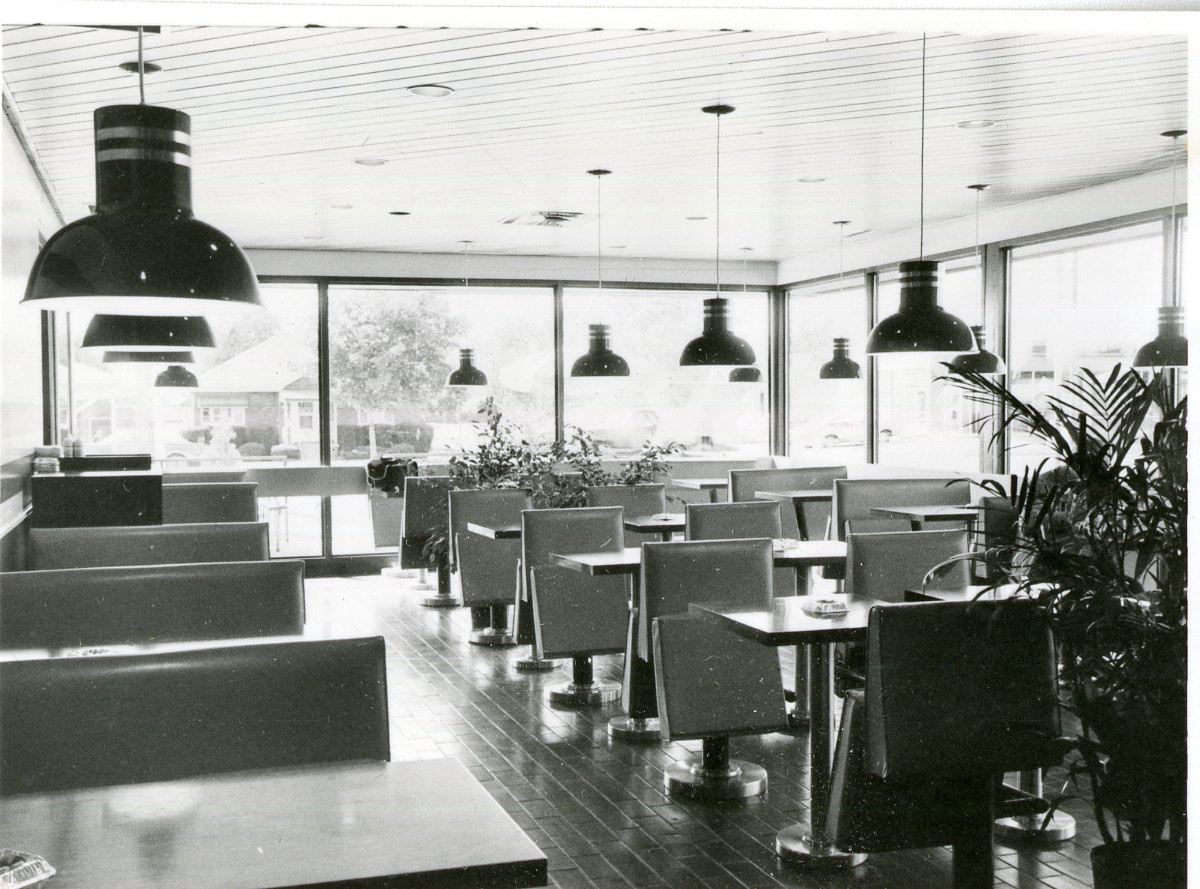
| Buying existing | Building new | |
|---|---|---|
| Speed to trading | Weeks | 6–18 months |
| Capital | Often far less than construction cost | Full fit-out + equipment + ramp |
| Known unknowns | Lease, equipment age, reputation, staff | Demand risk: will anyone come? |
| Freedom | Constrained by what exists | Total |
| Best for | Operators who can run diligence and fix operations | Concepts that need their own skin |
The bargain exists because hospitality churn is real: a fitted, licensed site from a tired owner regularly sells for a fraction of its build cost (compare the from-scratch budget). The catch is symmetrical: whatever made the last operator tired might be waiting for you. Diligence is how you find out which deal you are actually being offered.
Small independents trade on owner earnings, seller’s discretionary earnings (profit plus the owner’s salary and personal perks run through the books), commonly at 1.5–2.5x depending on how transferable the business is (does it run without the seller’s face behind the counter?). If you are buying to install your own concept, ignore their earnings and value the assets: fit-out, equipment, licence and lease position. Two red flags on price: valuations argued from revenue (revenue is not margin), and earnings that improved suspiciously in the pre-sale year, sustainability of EBITDA is the question, and a spike groomed for the listing seldom survives new ownership.
The single most revealing diligence step: sit with the actual POS and pull daily sales for the claimed period, then lay them against the P&L and the bank statements. Watch for: claimed revenue the POS never saw (“cash sales” that live only in the spreadsheet), a prime cost over 65% that the listing’s profit somehow ignores, and channel mix, a venue living on 30%-commission delivery apps has weaker earnings quality than the same revenue direct. A seller who resists POS access is answering your question by resisting.
“Retiring” is checkable. Talk to the landlord (is a rent review or refusal-to-renew coming?), the neighbouring shops (roadworks scheduled? anchor tenant leaving? foot traffic dying?), and the council planning desk (what is consented next door?). The stated reason being true is the cheapest good news in the deal; the stated reason being cover is the expensive kind, and an afternoon of conversations is what separates them.
Default to an asset purchase (equipment, fit-out, name, goodwill) so the old entity keeps its own debts and histories; share purchases inherit everything unknown. Make the offer conditional on the things that matter: lease assignment in writing, licence transfer, finance, and a diligence period long enough to do the work above. A stocktake at settlement, a short handover period with the seller, and restraint-of-trade terms (so they do not open across the road) are all standard asks. And keep the buy price honest against your alternative: the same money into a properly reserved new build is always the comparison.
Is it cheaper to buy an existing restaurant than start one?
Usually, and always faster: the fit-out, equipment, licences and (sometimes) staff and customers already exist, and distressed sellers often part with a built-out site for a fraction of its construction cost. The trade is inherited risk: you are also buying the lease terms, the equipment’s age, the reputation and whatever reason the owner is really selling. Cheap entry with expensive surprises is the classic failure mode; diligence is the whole game.
How are small restaurants valued?
Two common lenses: a multiple of owner earnings (seller’s discretionary earnings, commonly 1.5–2.5x for small independents) or, for venues where the buyer plans a new concept, asset value, essentially the fit-out, equipment and lease. Be suspicious of prices justified by revenue alone, and of earnings that jumped conveniently in the year before sale; profitability that appears for the listing has a way of disappearing after settlement.
What should due diligence on a restaurant cover?
Seven areas: financials (2–3 years of P&L cross-checked against POS data and bank deposits, not just spreadsheets), the lease (term, assignment, demolition clauses, rent reviews), licences and their transferability (liquor especially), equipment condition and ownership (owned vs leased), staff obligations you inherit, food-safety and inspection history, and reputation (review trend, the customer base’s reality). The POS-versus-claims cross-check is the single most revealing step.
Why do restaurant owners really sell?
The listed reasons, retirement, relocation, health, new projects, are often true; the unlisted ones, a rent review coming, a road-works year ahead, a lease the landlord will not renew, an anchor tenant leaving, a margin that never worked, are the ones that cost you. Your job is to confirm the stated reason independently: talk to the landlord, the neighbours, and the council’s planning desk before you believe the listing.
Should I buy the company or just the assets?
For small purchases, an asset purchase is standard and safer: you buy the equipment, fit-out, name and goodwill, and leave the old company’s debts, tax history and liabilities behind with the seller. Buying the company (shares) means inheriting everything, known and unknown. Structure matters enough that this is accountant-and-lawyer territory, but walk in knowing asset purchase is your default ask.
What is the biggest risk when buying a restaurant?
The lease. You can fix food, staff and marketing; you cannot fix a lease with two years left and no renewal, a demolition clause, or an assignment the landlord refuses. Before any money moves, meet the landlord, confirm the assignment terms in writing, and evaluate the remaining lease with the same 8% occupancy test you would apply to a new site. A great restaurant on a dying lease is a countdown, not a business.
Storefront, orders, kitchen, CRM and marketing in one place. Start free in a couple of minutes, no card needed. Pop in your email and we'll take you straight to setup.
Reprinting menus for one price change gets old fast. Build a QR code menu free in about ten minutes, and see where a static code stops and QR ordering begins.
Somewhere along the way you ended up with nine logins that do not talk. This maps the restaurant tech stack layer by layer, and what a dozen point tools really cost.
Average order value is total revenue divided by number of orders. Here is how to calculate it, why it beats chasing traffic for margin, and how to raise it.
Storefront, POS, kitchen, CRM, marketing. One login, one bill. NZ$1/month for the first 3 months.
Start free trial