What is a chargeback? A restaurant owner's guide
A chargeback is a forced card reversal when a customer disputes a charge with their bank. Here is how it works, how it differs from a refund, and how to prevent and win disputes.

The 8% rule, tenant improvement money, free-rent periods and the clauses that matter

Short answer: the lease is the one restaurant cost you cannot manage after signing, so it is negotiated once and paid for a decade. The rules: total occupancy cost (rent plus outgoings) at or under 8% of realistic sales, ideally 5–7%; a tenant improvement allowance of $20–50 per square foot is normal to ask for; free rent should cover your whole buildout plus a month; personal guarantees get capped or burned off, never signed raw; and four clauses, assignment, demolition, ratchet reviews, and low percentage-rent triggers, deserve a lawyer’s eyes because any one of them can quietly own your future. Here is the whole negotiation, with the maths.
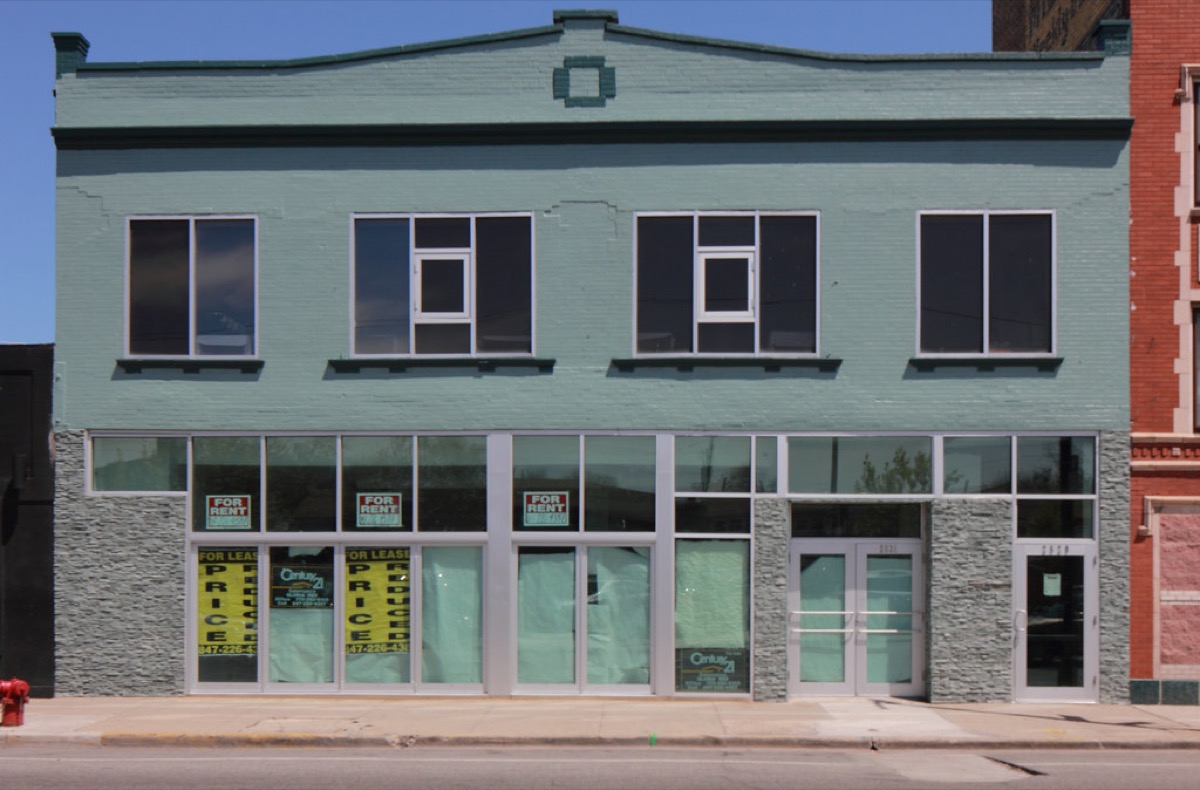
Before charm, before location love, run the occupancy test. Estimate honest weekly sales for the concept in that spot (count covers at comparable venues if you must), multiply by 8%, and compare with the asking rent plus all outgoings. Worked example: you project $18,000 a week ($936,000 a year). Eight percent is $74,880 a year, about $6,240 a month, all-in. If the landlord wants $8,500 plus outgoings, the site needs $10,600 more sales a week just to reach the same safety line, and no amount of great service fixes that arithmetic. Walking away from a beautiful room at 13% occupancy is not caution; it is the whole skill.
| Item | Typical outcome | Why landlords say yes |
|---|---|---|
| Tenant improvement allowance | $20–50 per sq ft toward fit-out | An empty shell earns them nothing |
| Free rent | 1–3 months, covering buildout + soft open | Standard in hospitality; buildout earns you nothing |
| Guarantee cap / burn-off | Capped at 6–12 months rent, or expiring after good payment history | A capped deal beats an empty tenancy |
| Renewal options | Short head lease + rights of renewal (3+3+3) | They get a long relationship, you keep the exit |
| Rent reviews | Market reviews with arbitration, never up-only | Up-only “ratchet” clauses are increasingly resisted |
The negotiation posture that works: you are a covenant, a tenant who will pay reliably for years, and vacancy is the landlord’s most expensive outcome. Every concession above is cheaper for them than six months of an empty hospitality shell.
A full personal guarantee on a ten-year lease at $8,000 a month is a $960,000 contingent debt with your house behind it. Landlords ask because they can; sophisticated tenants counter with a cap (commonly 6–12 months of rent, enough to re-let the space) or a burn-off (the guarantee reduces or dies after, say, 24 months of on-time payment). If the landlord will not move at all on an uncapped full-term guarantee, that is information about how this relationship will go, price it accordingly or keep looking.
The advertised rent is rarely the cost. Outgoings, common-area maintenance, property taxes, building insurance, sometimes management fees, can add 15–30% on top, and they belong inside your 8% test. Ask for the last two years of actual outgoings statements, check what is excluded (structural repairs should be the landlord’s), and cap annual outgoings increases where you can. A “cheap” rent with uncapped, opaque outgoings is a variable-rate loan you did not mean to take.
1. Never negotiate one site; real alternatives are your only leverage. 2. Get the landlord’s standard lease early and mark it up before you fall in love. 3. Put your asks in one letter (TI, free rent, cap, assignment, term structure), packages negotiate better than trickles. 4. Spend the few hundred dollars on a hospitality-literate lawyer for the final read; every clause above is exactly what they hunt. 5. Model the deal in your cash-flow forecast and your opening budget before signing, the lease should fit the plan, not the reverse.
What percentage of sales should restaurant rent be?
Total occupancy cost, rent plus outgoings like common-area maintenance, property taxes and building insurance, should stay at or under 8% of expected sales, with 5–7% the comfortable zone. Above 10% the lease itself becomes the reason the business struggles, because rent is the one large cost you cannot manage week to week. Work backwards: realistic weekly sales × 8% ÷ what the landlord is asking tells you instantly whether a site can ever work.
What is a tenant improvement allowance?
Money the landlord contributes toward fitting out their shell for your use, commonly $20–50 per square foot for restaurant space depending on the market and how much they want you. It is usually reimbursed after works complete, in exchange for a longer lease term. Always ask; landlords rarely volunteer it, and an empty hospitality shell is expensive to make trade-ready.
Should I sign a personal guarantee on a restaurant lease?
Try hard to limit it, because the raw version is enormous: guaranteeing a $8,000/month lease for ten years is nearly a million dollars of personal exposure. Standard compromises landlords accept: a guarantee capped at 6–12 months of rent, or a burn-off clause where the guarantee shrinks or expires after a defined stretch of on-time payments. Never sign an uncapped, full-term guarantee without pricing exactly what it could cost you.
What is free rent and how much should I ask for?
A rent-free period at the start of the lease while you build out, standard in hospitality because the space earns nothing during the fit-out. Ask for free rent covering the entire realistic buildout timeline plus a month for the soft opening and ramp. One to three months is common; on longer leases with big fit-outs, more is negotiable. Every free month is pure runway.
What lease clauses hurt restaurants most?
Four to hunt for: assignment restrictions that stop you selling the business (the lease must be transferable, or your exit is worthless); demolition or redevelopment clauses letting the landlord end the lease early; ratchet clauses where rent reviews can only go up; and percentage-rent triggers set so low they tax your success. A lawyer reviewing a lease costs a few hundred dollars; any one of these clauses can cost the business.
How long should my first restaurant lease be?
Balance security with escape: a shorter initial term (3–5 years) with multiple rights of renewal (e.g. 3+3+3) gives you protection if it works and an exit if it does not. Landlords prefer long commitments, which is exactly what your renewal options give them, on your terms. Pair the term with the assignment clause so a sale of the business is always possible mid-term.
Storefront, orders, kitchen, CRM and marketing in one place. Start free in a couple of minutes, no card needed. Pop in your email and we'll take you straight to setup.
A chargeback is a forced card reversal when a customer disputes a charge with their bank. Here is how it works, how it differs from a refund, and how to prevent and win disputes.
Card processing fees get treated as fixed, and they rarely are. Read your effective rate, negotiate the markup, optimise interchange, then pull the biggest lever.
One dish can look like a winner and still barely pay its way. Contribution margin is the number that tells you, and this shows how to cost it.
Storefront, POS, kitchen, CRM, marketing. One login, one bill. NZ$1/month for the first 3 months.
Start free trial