Toast vs Clover for restaurants (2026 compared)
Toast and Clover both want to run your restaurant, and both ask for something back: Toast locks processing, Clover locks contracts. Priced honestly, side by side.

Bundled platforms, guest-experience layers and budget menu tools, plus a five-point test

Short answer: “QR ordering” covers three different products, and most bad purchases come from buying the wrong one. Menu-only tools ($9–50/month) show a webpage: cheap, useful, operationally inert. Dedicated order-and-pay platforms (me&u is the category leader, quote-priced) add a polished guest-experience layer on top of your existing POS. Bundled platforms (Plattr among them, from NZ$29 a month, commissions from just 2.5%) make QR one output of the same system that runs your POS, online ordering, menu and loyalty. The right choice follows from whether you need a menu, a layer, or a system, and from five checks at the end of this guide. Disclosure: Plattr publishes this blog; the framework stands on its own.
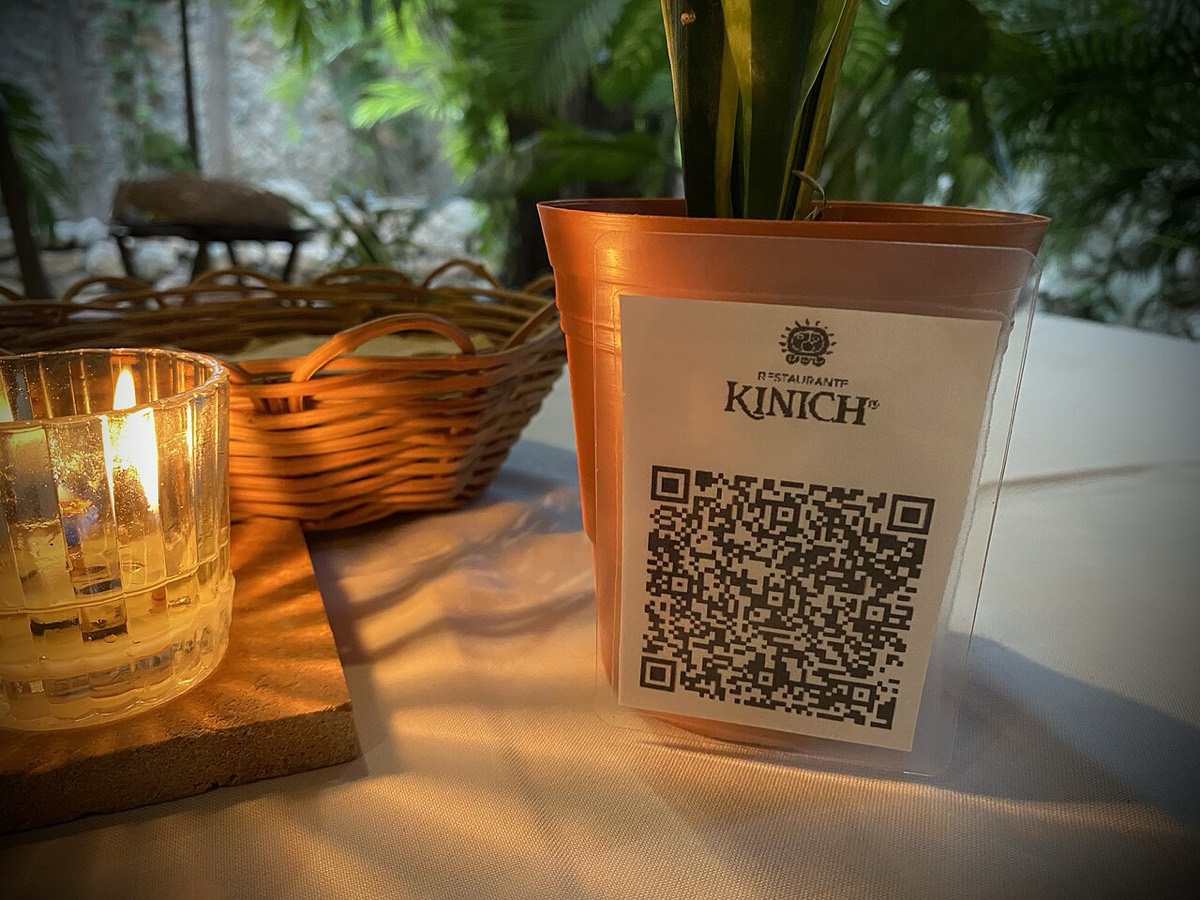
A QR MENU changes what guests read; QR ORDERING changes how your venue works. Order-and-pay removes the wait-to-order and wait-to-pay bottlenecks (the two dead spots in table turnover), lets a thin floor team cover more tables, and lifts spend because the second round stops depending on catching a busy server’s eye, me&u reports 12–18% higher average spend across its venues, and operators broadly echo double-digit lifts in casual settings. If you only need the reading part, buy the cheap thing. If you want the operational part, the system behind the code matters far more than the code.
| Option | Price shape | What it is | Best for |
|---|---|---|---|
| Plattr | from NZ$29/month, commissions from 2.5% | QR ordering as one output of a full venue system (POS, online ordering, loyalty, marketing) | Independents wanting one system, one menu, one customer list |
| me&u | quote-based, scales with venue | Dedicated order-and-pay guest layer; polished UX; 6,000+ venues since the Mr Yum merger | Larger bars and casual groups adding a layer to existing POS |
| Menu-only tools (Menubly and similar) | $9–50/month | Digital menu pages, no ordering | Tiny budgets; browse-only needs |
| DIY (PDF or webpage + QR) | ~$0 | A link on a table sticker | Temporary stopgaps only |
Two honest notes. me&u earned its position: the guest experience is genuinely polished, and for a large venue running a capable POS it can be the right dedicated layer, priced accordingly and integrated carefully. And the DIY row is not a joke: a clean webpage menu behind a QR beats a pinch-zoom PDF, which is the single most common QR failure in the wild, if that is your budget today, do the webpage well and upgrade to ordering when the maths says so.
The case for QR-inside-a-platform is one word: sameness. One menu edited once, priced once, photographed once, flowing to the table QR, the online store, the POS and the kitchen; one customer record earning loyalty whether they ordered at the table or on the couch; one set of numbers. The limit of the argument: if you are already deeply invested in a POS you love, a bundled platform means migration, and a dedicated layer on top may be the pragmatic play. That is a real trade-off, weigh switching cost against the integration seams you will maintain forever.
QR ordering succeeds or dies on small details: codes at every seat (not one per table fought over), a menu with photos and honest descriptions (this is now your most-read menu), staff introduced as hosts of the system rather than replaced by it (“order whenever you like, or grab me anytime”), and table numbers that actually match the map. Keep a human lane for guests who want one, the goal is an extra service lane, not a mandatory app gauntlet, and watch adoption and average spend in your weekly numbers for the honest verdict.
What is the best QR code ordering system for restaurants?
It depends on the job. For full order-and-pay tied into a complete venue system, bundled platforms (Plattr among them, from NZ$29 a month) give you QR ordering wired to the same menu, POS and loyalty as everything else. For enterprise venues wanting a dedicated guest-experience layer, me&u leads the category. For a browse-only digital menu on a tiny budget, simple menu tools do the job for under $10 a month. Match the tool to whether you need ordering, payments, or just a menu.
What is the difference between a QR menu and QR ordering?
A QR menu shows a webpage: guests scan, browse, then order through staff. QR ordering completes the loop: guests scan, order and often pay from the table, with the order landing in your kitchen flow. Menus cost almost nothing and change nothing operationally; ordering changes service (fewer order-taking trips, faster peaks, bigger baskets) and therefore matters far more, and costs accordingly.
Does QR ordering actually increase sales?
Operators and platforms consistently report double-digit lifts in average spend when guests can re-order without flagging staff, me&u cites 12–18% among its venues, because the second drink and the extra side stop depending on eye contact. Results vary with venue style: fast-casual and busy bars see the most; formal dining sees the least (and often should not use it).
How much does QR ordering cost?
Three price shapes: bundled platforms include it in a subscription (Plattr from NZ$29 a month, commissions from just 2.5%); dedicated guest-experience platforms like me&u price by quote, scaling with venue size and volume; and menu-only tools run $9–50 a month but do not take orders. Card processing applies on any channel that takes payment.
Do customers actually like ordering by QR?
Younger and busier customers largely prefer it (no waiting to catch a server, pay-and-leave without the card dance); some diners find it impersonal, and some occasions call for full service. The venues that get it right offer both: QR for speed and convenience, staff for hospitality, and never force a table to fight a PDF menu at 8pm. QR done well ADDS a service lane rather than deleting the human one.
What should I look for in a QR ordering system?
Five checks: does it write orders into the same system as your POS and kitchen (re-keying kills the point); can guests pay at the table; does the menu update once and change everywhere; does it feed your loyalty and customer list rather than someone else’s; and what is the true cost per order once subscriptions and any commissions are counted. A QR system that owns your menu but not your customer data is renting you your own tables.
Storefront, orders, kitchen, CRM and marketing in one place. Start free in a couple of minutes, no card needed. Pop in your email and we'll take you straight to setup.
Toast and Clover both want to run your restaurant, and both ask for something back: Toast locks processing, Clover locks contracts. Priced honestly, side by side.
Friday at nine, twenty tabs open, one card reader. Seven bar POS systems judged on tab speed, card holds and staying up when the room fills.
Locked into a Toast contract you have outgrown? These are the Toast POS alternatives worth a look in 2026, with pricing, contract terms and a fit test.
Storefront, POS, kitchen, CRM, marketing. One login, one bill. NZ$1/month for the first 3 months.
Start free trial