How to make a QR code menu (free, 2026)
Reprinting menus for one price change gets old fast. Build a QR code menu free in about ten minutes, and see where a static code stops and QR ordering begins.

Home, shared kitchen and retail costs, cottage-food rules, and pre-order selling

Short answer: start a bakery on the ladder, not the cliff. A home bakery under cottage-food rules opens for roughly US$2,000–10,000 and can net 30–50% because there is no rent or payroll; a shared commercial kitchen gets you to wholesale and markets for $10,000–50,000; a retail storefront costs $100,000–400,000+ and averages only 4–9% net once rent and staff arrive. The winning pattern is climbing rung by rung with proven demand, selling by pre-order and pickup days so nothing is baked unsold, and building the product mix around custom and premium items where skill sets the price. Here is each rung, with the numbers.
| Rung | Get-in cost | Typical net margin | What changes |
|---|---|---|---|
| Home / cottage bakery | ~$2k–10k | ~30–50% | No rent, no staff; capped scale, item rules |
| Shared commercial kitchen | ~$10k–50k | ~15–25% | Hourly kitchen fees; unlocks wholesale + all items |
| Retail storefront | ~$100k–400k+ | ~4–9% | Rent + payroll arrive; walk-in revenue does too |
Read the margin column twice: the storefront is the most impressive rung and the thinnest one. The industry averages roughly $325,000–450,000 revenue per bakery, but the home baker netting 40% of $60,000 often takes home more than the shop netting 6% of $350,000, with a fraction of the risk. Climb when demand pulls you up, not because a lease made you feel official (the capital logic mirrors opening a café and cash flow).
Most regions allow home production of lower-risk, shelf-stable baked goods, breads, cookies, most cakes, under cottage-food or home-kitchen rules: register, follow labelling requirements, respect any revenue caps, and skip perishable fillings until you have commercial space. Start with a tight menu of six things you are genuinely excellent at, photograph them beautifully (this is a product people buy with their eyes), and sell by pre-order: post the week’s menu, take orders and payment online, bake exactly what is sold, hand over on one or two pickup days. Zero waste, zero guessing, and every customer lands on your list from the first sale.
| Product line | Margin character | Role |
|---|---|---|
| Custom cakes + decorated cookies | Highest (skill-priced, 15–25%+ businesses exist on this alone) | The profit engine |
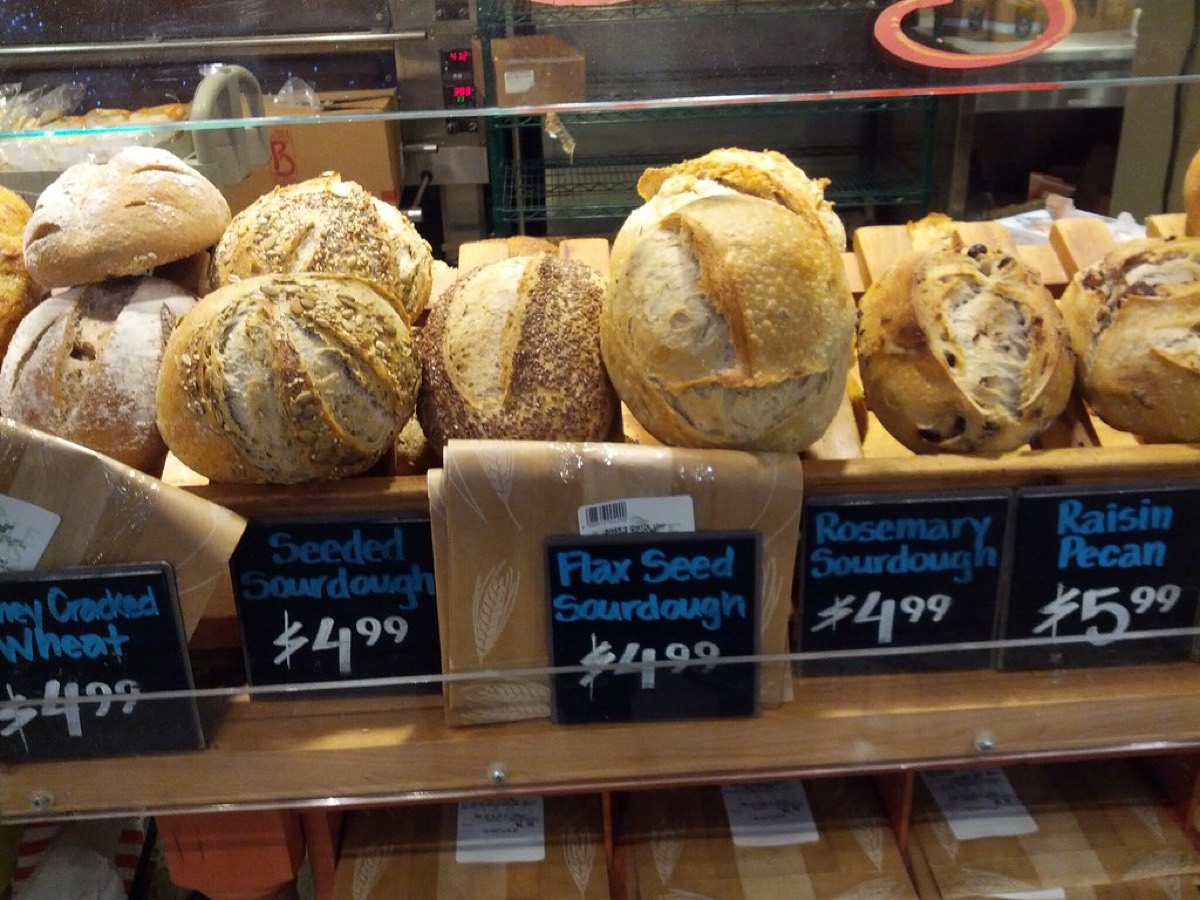
| Premium everyday (sourdough, croissants, doughnuts) | Strong, repeatable | The habit builder |
| Boxed assortments (build-a-box, half-dozens) | Lifts average order sharply | The gift + treat channel |
| Wholesale to cafés | Thinnest per unit, steady volume | The base load for quiet hours |
Two mix rules. First, let customers build boxes: a curated six-pack sells for more than six singles ever would, and it turns a $6 purchase into a $28 one. Second, take custom-work deposits at order time, it is standard, it filters the tyre-kickers, and it is a cash-flow gift.
1. Pre-order online + pickup days: the foundation, because it is bake-to-order. 2. Farmers markets: discovery plus same-day sales; capture every buyer onto the list with a QR at the stall. 3. Wholesale: two or three café accounts smooth the week (price them knowing the margin is thin). 4. Delivery for occasions: cakes and gift boxes justify a courier fee. 5. Only then, maybe, the storefront, with your existing pre-order and wholesale revenue paying its rent from day one.
Bakers under-price more reliably than any other food maker, usually by forgetting their own hours. Cost every product properly (ingredients per batch ÷ units, packaging, and your time at a real hourly rate, the method is in food cost), then price custom work on the market for skill, not on flour. A wedding cake is priced like photography: expertise, hours and nerve, not butter. If an item cannot be priced profitably at what customers will pay, it leaves the menu, that is menu engineering with icing.
How much does it cost to start a bakery?
By model: a home bakery under cottage-food rules commonly starts for US$2,000–10,000; renting a shared commercial kitchen runs roughly $10,000–50,000 to get going; a retail bakery with a storefront typically needs $100,000–400,000+. The ladder is the strategy: many strong retail bakeries started at a home oven, proved demand at markets and online, and climbed with revenue instead of debt.
How profitable is a bakery?
It depends enormously on the model. Retail bakeries average roughly 4–9% net margin (rent and staff eat the famous markup), custom-cake businesses commonly reach 15–25%, and home bakeries under cottage-food rules can net 30–50% because rent and payroll barely exist. Flour is cheap and labour is not: the money is in products where skill, not oven time, sets the price.
What baked goods make the most money?
Custom and occasion work leads: celebration cakes, wedding cakes and decorated cookies price on artistry. Next, premium everyday items with strong margins and daily repeat: sourdough loaves, croissants, filled doughnuts, and boxed assortments (a curated half-dozen box lifts spend far above single-item sales). Wholesale volume (supplying cafés) earns the least per unit but smooths revenue and uses quiet oven hours.
Can I run a bakery from home legally?
In many places yes, under cottage-food or home-kitchen rules that allow shelf-stable, lower-risk items (breads, cookies, cakes without perishable fillings) with registration, labelling rules and sales caps that vary by region. Check your local rules first, some require a kitchen inspection, some cap annual revenue, and cream-filled or refrigerated items usually need a commercial kitchen.
Do bakeries need a storefront to succeed?
No, and skipping one is the modern path. Pre-order online with weekly pickup days, market stalls, and wholesale accounts can build a five-figure-a-month bakery with no shopfront rent. The storefront becomes a choice you make later, funded by proven demand, rather than the giant fixed cost you gamble on first.
What equipment do I need to start baking commercially?
Start smaller than you think: a reliable oven (deck or convection), a stand or spiral mixer sized to your batches, proofing space, refrigeration, scales, and racks. A shared kitchen supplies the expensive pieces by the hour. Scale equipment with the order book, the mixer you buy after 200 standing weekly orders is an investment; the one you buy before your first sale is a hope.
Storefront, orders, kitchen, CRM and marketing in one place. Start free in a couple of minutes, no card needed. Pop in your email and we'll take you straight to setup.
Reprinting menus for one price change gets old fast. Build a QR code menu free in about ten minutes, and see where a static code stops and QR ordering begins.
Somewhere along the way you ended up with nine logins that do not talk. This maps the restaurant tech stack layer by layer, and what a dozen point tools really cost.
Average order value is total revenue divided by number of orders. Here is how to calculate it, why it beats chasing traffic for margin, and how to raise it.
Storefront, POS, kitchen, CRM, marketing. One login, one bill. NZ$1/month for the first 3 months.
Start free trial