What is a chargeback? A restaurant owner's guide
A chargeback is a forced card reversal when a customer disputes a charge with their bank. Here is how it works, how it differs from a refund, and how to prevent and win disputes.

Six levers, how much each one adds, and how to upsell without annoying guests

Short answer: to raise average order value, make the bigger order the easy default, do not push. The levers that work are suggestive selling, combos and bundles, one-tap add-ons, menu design, and digital ordering. Bundles can lift the average order by around half, add-on prompts by 10–20%, and digital tickets often run about 30% larger than counter orders. Because that extra spend comes from customers you already have, it drops almost straight to profit.
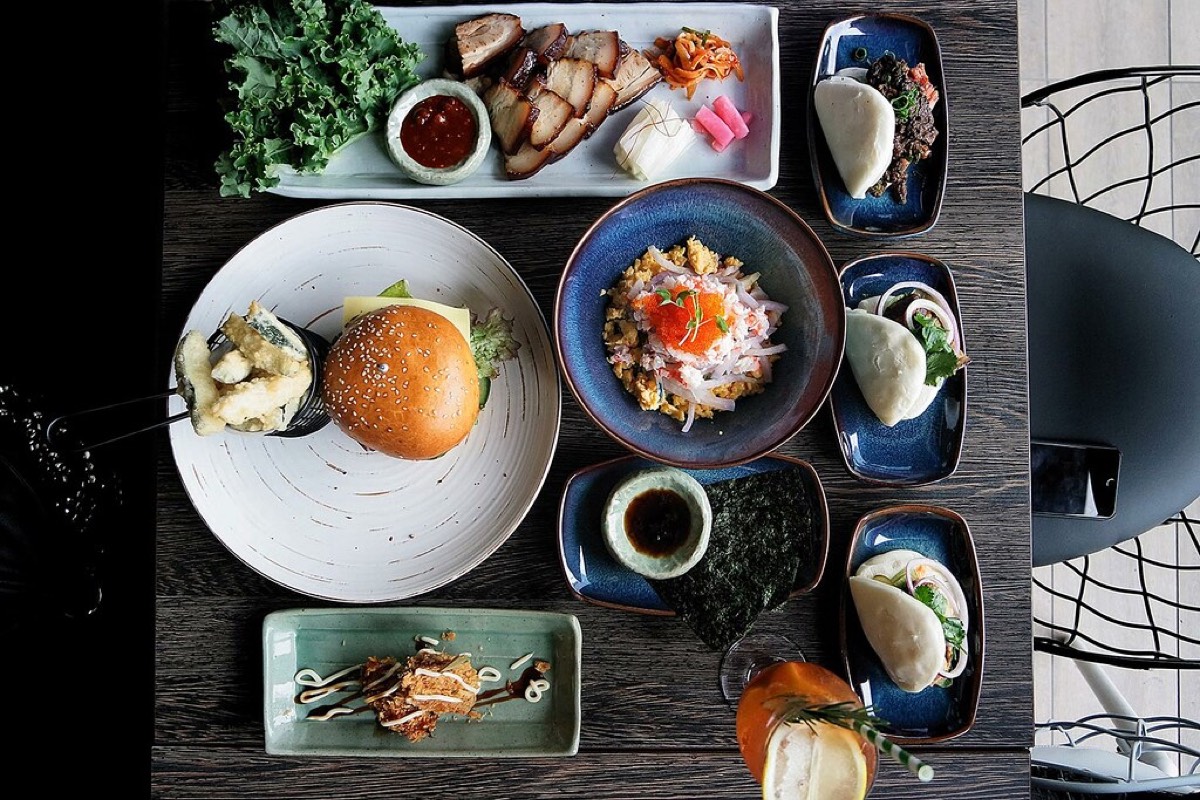
Winning a new customer costs money: ads, discounts, time. Getting an existing order to grow by a few dollars costs almost nothing, and you are already paying the rent, the staff and the marketing to make that sale. Lift a $20 average check to $23 and, on 200 orders a day, that is $600 a day of mostly-margin revenue. AOV is the quiet lever most kitchens leave alone.
The cheapest lever is a specific recommendation from a confident server: “the whipped feta is unreal with that”, not “any starters?”. Recommend, do not interrogate. A few trained lines per section, offered naturally, reliably lift the check.
A meal deal removes decisions and raises spend at the same time. Bundle a main, a side and a drink at a small saving versus buying separately, and let people build their own box where it fits. Done with intent, bundling is one of the biggest single levers on this list.
“Add grilled chicken”, “make it a large”, “extra shot”. Well-placed modifiers turn a $12 order into a $15 one without a new dish. This is where a good POS and ordering page earn their money, because they can prompt the add-on every single time.
A high-priced hero dish makes everything near it look reasonable, and smart placement guides the eye to your best-margin plates. This is menu psychology, and it is covered in depth in menu engineering and pricing.
Screens never forget to ask and never feel awkward. Self-order kiosks and apps lift average checks 15–30%, and digital tickets run about 30% larger than counter orders, because the prompt is consistent and pressure-free. Owning your own ordering page means you keep that lift instead of renting it from a delivery app.
“Spend $30 for free delivery” nudges a $24 cart up to $30. A threshold set a little above your current average order is a gentle, effective push that customers happily meet.
| Lever | Typical uplift | Best channel |
|---|---|---|
| Add-ons and modifiers | +10–20% per order | Counter, online, kiosk |
| Self-order kiosk / app | +15–30% average check | In-store, online |
| Combos and bundles | Up to ~+55% AOV | Every channel |
| Free-delivery threshold | Nudges carts up | Online |
The whole thing hinges on relevance. Suggest what genuinely makes the meal better, keep it to one clear prompt, and make it effortless to ignore. And know your numbers before you discount a bundle: work out the food cost so a “deal” still leaves you a margin. A good upsell feels like good service, because it is.
A few dollars sounds trivial until you multiply it by every order you take. Because the extra spend rides on rent, power and staff you are already paying for, most of it drops through to profit rather than being eaten by new costs.
Here is a cafe taking 700 orders a week at an average of $28. Lift the average by just $3 with combos and add-on prompts, and watch what happens over a year.
| Metric | Before | After +$3 |
|---|---|---|
| Average order value | $28 | $31 |
| Orders per week | 700 | 700 |
| Weekly revenue | $19,600 | $21,700 |
| Annual revenue (52 weeks) | $1,019,200 | $1,128,400 |
| Extra revenue per year | $109,200 |
That is $109,200 a year from one small change, with no extra marketing spend and roughly the same kitchen load. Most of the incremental items carry high gross margin, so if you cost your dishes properly the profit share is large. If you have not costed each dish yet, do that first: our guide to menu engineering and pricing shows how to find the items worth pushing.
One blended number hides where the money is. Dine-in, QR, your own online ordering and the delivery marketplaces each behave differently, so a lever that lifts one can do nothing for another. Pull the figure for each channel separately and you will see exactly where a bundle or an add-on prompt is worth building.
| Ordering channel | Strongest lever | Why it works there |
|---|---|---|
| Dine-in and counter | Suggestive selling by staff | A person reads the table and adds a side, drink or dessert |
| QR at the table | One-tap add-ons and reorder | Guests order again without flagging down a server |
| Your own online ordering | Menu anchoring and automatic add-on prompts | The screen prompts every guest, every time, consistently |
| Delivery marketplaces | Bundles and set minimums | You control the menu items but not the checkout upsell |
The pattern that usually shows up: your own digital channels are the easiest to move, because the prompt is automatic and never has an off day. That is also where you keep more of the order, since Plattr takes from 2.5% per order rather than the 15 to 30% commission the marketplaces charge. For the underlying definition and the exact formula, see what is average order value.
A quick way to start measuring without new tools:
What is average order value in a restaurant?
Average order value (also called average check or average spend) is total sales divided by number of orders. Take $4,000 across 200 orders and your AOV is $20. Lifting it is often the fastest way to grow profit, because the extra spend rides on customers you have already won and rent you are already paying.
What is the fastest way to increase average order value?
Make the bigger order the easy default. The highest-return moves are suggestive selling by trained staff, well-designed combos and bundles, and one-tap add-ons at the point of order. Digital ordering helps on its own: screens and apps upsell every time without pressure, and digital tickets often run around 30% larger than counter orders.
How much can bundling and upselling actually add?
A lot, when it is relevant. Add-on prompts (“make it a combo”, “add a side”) typically lift orders 10–20%, self-order kiosks and apps lift average checks 15–30%, and thoughtful bundles have been shown to raise average order value by around half. The key word is relevant: a suggestion the guest actually wants converts, a random upsell just annoys.
How do I upsell without annoying customers?
Suggest things that genuinely improve the meal, and make them one tap to accept or ignore. Recommend a specific pairing rather than “anything else?”, offer the natural add-on (a sauce, a side, a drink), and let digital ordering do the asking so it never feels pushy. If an upsell would not make the meal better, do not make it.
How do I calculate average order value?
Divide total revenue over a period by the number of orders in that same period. If you took $19,600 across 700 orders in a week, your average order value is $28. Run it weekly and split it by channel so you can see which ordering method is worth improving first.
Does raising menu prices count as increasing average order value?
Mechanically yes, a price rise lifts the average, but it is the shallow version and it can quietly cost you orders if guests notice. The durable gains come from getting more items into each basket through combos, add-ons and suggestive selling. Aim to grow the number of items per order first, then review prices separately against your dish costs.
Storefront, orders, kitchen, CRM and marketing in one place. Start free in a couple of minutes, no card needed. Pop in your email and we'll take you straight to setup.
A chargeback is a forced card reversal when a customer disputes a charge with their bank. Here is how it works, how it differs from a refund, and how to prevent and win disputes.
Card processing fees get treated as fixed, and they rarely are. Read your effective rate, negotiate the markup, optimise interchange, then pull the biggest lever.
One dish can look like a winner and still barely pay its way. Contribution margin is the number that tells you, and this shows how to cost it.
Storefront, POS, kitchen, CRM, marketing. One login, one bill. NZ$1/month for the first 3 months.
Start free trial