How to make a QR code menu (free, 2026)
Reprinting menus for one price change gets old fast. Build a QR code menu free in about ten minutes, and see where a static code stops and QR ordering begins.

27 ideas grouped by startup cost, home based, mobile, online and storefront

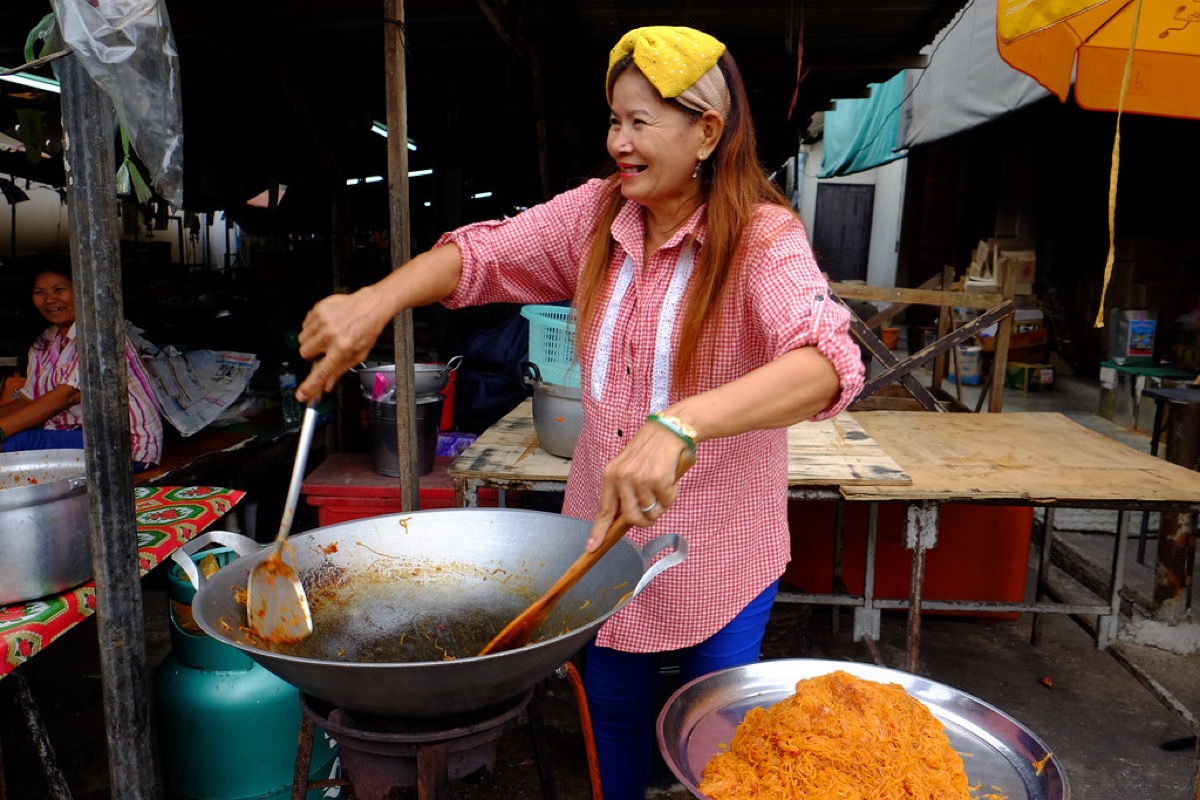
Short answer: the best food business idea is the one that fits your skills, your capital, the margin the product carries, and the rules you can meet. Below are 27 ideas grouped by how much it takes to start, home-based, mobile, online and storefront, with rough startup costs. The cheapest to launch are home-kitchen products; the most capital-hungry are sit-down premises. Start small, validate demand, then scale.
| If you have… | Start with | Why |
|---|---|---|
| A few hundred dollars and a home kitchen | Baking, preserves, meal prep | Lowest cost in, cottage-food rules often allow it |
| A few thousand and weekends free | A market stall or coffee cart | Great drink/baking margins, low fixed cost |
| $40k–150k and a mobile idea | A food truck or trailer | Reach and flexibility, but location is everything |
| Real capital and a fixed concept | A café or small storefront | Highest reward, highest risk, rent is the killer |
The trap is chasing a big-sounding turnover instead of what you keep. A coffee cart makes the point cleanly. A flat white uses well under a dollar of beans and milk and sells for around $5, a gross margin north of 80% on the cup. Sell 120 a day at a market and that is roughly $600 in sales on maybe $100 of ingredients, from a setup that cost a few thousand dollars and pays no rent. A dine-in restaurant might turn over ten times as much and keep less at the end, because rent, fit-out and a full team eat the difference. Favour ideas where ingredients are cheap relative to price and fixed costs are low, and you start ahead.
| Type | Rough startup (NZD) | Margin note |
|---|---|---|
| Home-based product | $500–5,000 | Low overhead; capped by your kitchen & time |
| Market stall / cart | $3,000–20,000 | Great margins on drinks & baked goods |
| Food truck / trailer | $40,000–150,000 | Location is everything; keep the menu tight |
| Online / ghost kitchen | $5,000–40,000 | No storefront rent; you pay in marketing |
| Storefront | $80,000–400,000+ | Highest risk and reward; rent is the killer |
Whatever you pick, test demand cheaply first, sell at a market, take pre-orders, or run a pop-up before you sign a lease or buy a truck. The goal is to prove people will pay before you spend real money. A cheap validation path most ideas can follow:
Once you’ve got something people want, you’ll need a simple way to take orders and payments and to be found online.
If a storefront is the idea you land on, our full how to open a restaurant checklist walks the whole path. Two natural next steps: get a food business website that takes orders, and make sure “food near me” can find you with a Google Business Profile.
What food business is the most profitable?
The most profitable food businesses tend to be the ones with low overheads and high margins per sale, coffee carts, specialty bakeries, meal-prep, and tight-menu food trucks all do well because ingredient cost is low relative to price and there’s little rent. Profit comes from margin and low fixed costs, not from the trendiest concept.
What food business can I start with little money?
Home-based ideas start cheapest: a home bakery, meal-prep service, jams and preserves, spice blends, or a market stall can begin for a few hundred to a few thousand dollars, using a commissary or home kitchen (where your local rules allow) instead of a fitted-out premises. A trailer or cart is the next step up; a storefront is the most capital-intensive.
What food business can I run from home?
Depending on your local “cottage food” or home-kitchen rules: baking, meal prep, preserves, sauces and spice blends, cake decorating, and cooking classes are all common home starts. Always check what your council allows and what registration and food-safety plan you need before selling.
How do I choose the right food business idea?
Match the idea to four things: your skills, the capital you have, the margin the product can carry, and the regulations you can realistically meet. Then validate cheaply, sell at a market or via pre-orders before signing a lease. So you test demand before you commit real money.
How much money do I need to start a food business?
It spans a huge range, from a few hundred dollars for a home-kitchen product to several hundred thousand for a fitted-out storefront. Home-based ideas (baking, preserves, meal prep) start cheapest; a market stall or cart is the next rung; a food truck runs roughly NZ$40,000–150,000; and a sit-down premises is the most capital-hungry at NZ$80,000 and up. The honest rule is to start at the lowest rung that fits your idea and prove demand before you climb.
Do I need a commercial kitchen to start a food business?
Not always. Many places allow certain low-risk foods (baked goods, jams, some packaged items) to be made in a home kitchen under “cottage food” or home-based rules, which is the cheapest way in. Higher-risk foods, or scaling up, usually means a registered commercial or commissary kitchen you can rent by the hour. Always check your local council’s rules and the registration and food-safety plan you need before you sell a thing.
Storefront, orders, kitchen, CRM and marketing in one place. Start free in a couple of minutes, no card needed. Pop in your email and we'll take you straight to setup.
Reprinting menus for one price change gets old fast. Build a QR code menu free in about ten minutes, and see where a static code stops and QR ordering begins.
Somewhere along the way you ended up with nine logins that do not talk. This maps the restaurant tech stack layer by layer, and what a dozen point tools really cost.
Average order value is total revenue divided by number of orders. Here is how to calculate it, why it beats chasing traffic for margin, and how to raise it.
Storefront, POS, kitchen, CRM, marketing. One login, one bill. NZ$1/month for the first 3 months.
Start free trial