How to make a QR code menu (free, 2026)
Reprinting menus for one price change gets old fast. Build a QR code menu free in about ten minutes, and see where a static code stops and QR ordering begins.

Costs, licences, the fit-out, and getting to your first paying customer.

Short answer: to start a food truck you need (1) a tight, travel-friendly menu, (2) a truck or trailer with a compliant kitchen, (3) the right food and trading licences, (4) a way to take orders and card payments, and (5) a plan for where you’ll park and how people find you. Budget NZ$40,000–150,000 to launch and expect 2–4 months to get road-legal. Here’s the whole thing, in order.
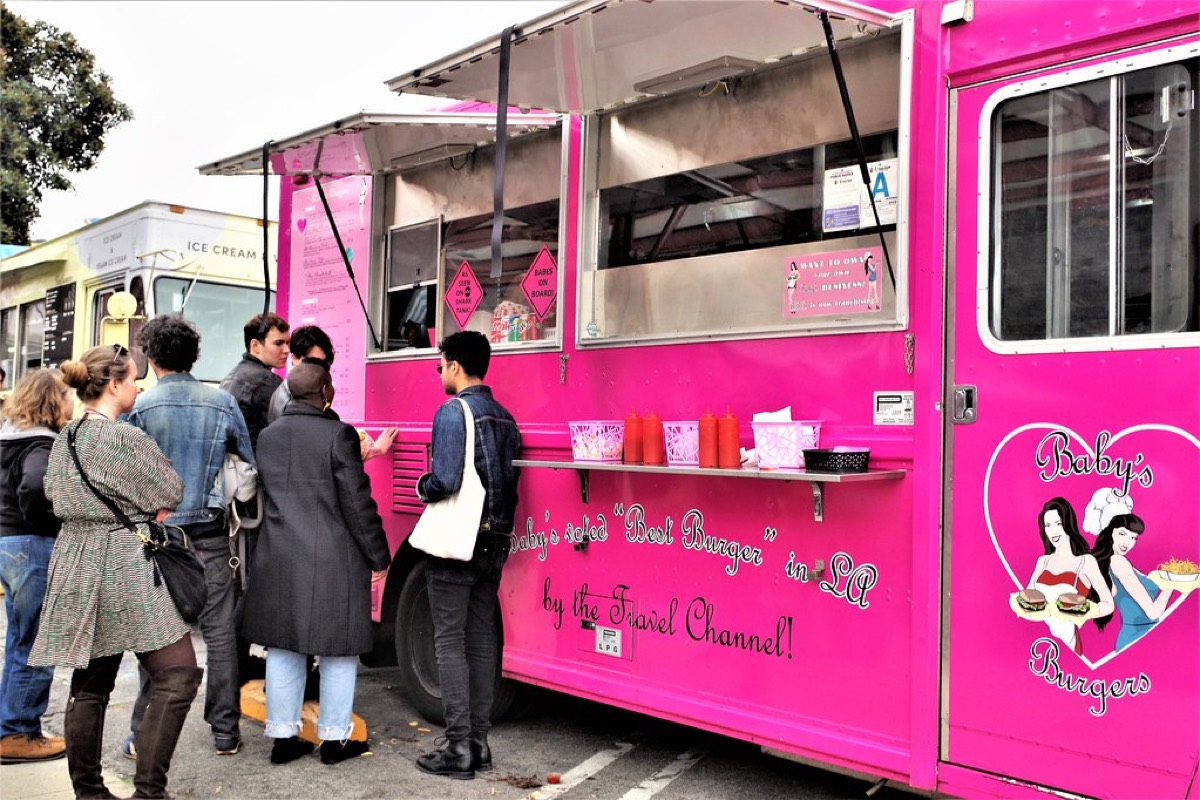
The trucks that survive have a concept you can describe in one line: “wood-fired Neapolitan pizza”, “Sri Lankan hoppers”, “specialty coffee & toasties”. A tight concept means a short menu, faster service, lower food cost and a brand people remember. A queue moves on 6–10 items, not 30.
The truck is the biggest number, but rarely the only one. A realistic breakdown for a first truck (figures in NZD; roughly ×0.6 for USD):
| Item | Typical range | Notes |
|---|---|---|
| Truck or trailer | $25,000–90,000 | Used + fit-out is the cheapest way in |
| Kitchen build & equipment | $8,000–30,000 | Gas, extraction, fridges, water, power |
| Permits, registration & compliance | $500–3,000 | Varies by council; renew annually |
| POS, card reader & QR ordering | $0–1,500 + fees | A phone/tablet app can start near-free |
| Branding, wrap & signage | $2,000–8,000 | Your wrap is your billboard |
| Initial stock & packaging | $1,500–4,000 | First few weeks of ingredients |
| Working-capital buffer | $5,000–15,000 | Slow first months are normal |
If money’s tight, start with a trailer towed by a vehicle you already own, buy equipment second-hand, and rent time in a commissary kitchen instead of building everything into the truck.
The part people underestimate. Names differ by country and council, but almost everywhere you’ll need some version of:
Call your local council before you buy anything. Where you’re allowed to park is the single biggest constraint on a food truck, and it’s far cheaper to learn that early. (For cover, see our food business insurance guide.)
A window, a queue and a rush is a brutal test of your systems. At minimum you need a mobile POS, a card reader and an app. So you can take tap payments anywhere. The fastest trucks also put a QR code on the truck so people order and pay from their phone while they wait, which shortens the line and lifts average spend. (For the shortlist, see the best POS system for a food truck.)
Startup costs get all the attention, but a food truck lives or dies on what one trading day actually earns. The trap is looking at gross takings and feeling rich. Once you strip out food, labour, the pitch fee, packaging and card processing, a busy day can still leave less than you expected. Model it before you commit.
Here is a realistic day for a truck doing 120 orders at an average order value of 18 dollars. Your numbers will differ by cuisine and city, so drop your own figures into the same rows.
| Line | Amount (NZD) | Note |
|---|---|---|
| Sales | 2,160 | 120 orders at 18 dollars |
| Food cost | 648 | 30% of sales |
| Labour | 420 | two staff, ~8 hours |
| Pitch or site fee | 150 | varies by location |
| Packaging | 72 | about 0.60 per order |
| Fuel and generator | 60 | running and travel |
| Card processing | 54 | roughly 2.5% |
| Day profit | 756 | before fixed monthly costs |
That is a 35% margin on the day, but it is not your take-home. Fixed monthly costs like insurance, a vehicle loan, storage, commissary rent and licence renewals still have to come out. If those run to 3,500 dollars a month and you trade 20 days, the day profit totals 15,120 dollars, leaving about 11,620 dollars before tax and before you pay yourself. Nail your food cost first, because a five point slip there quietly erases a chunk of that. Our guide on how to calculate food cost percentage walks through costing a plate properly.
Most food trucks that fail do not fail on the food. They fail on a handful of avoidable operating errors. Watch for these.
The payments and speed points matter most on a busy lunch rush. A system built for mobile trading keeps the queue moving and routes each order cleanly to the grill. See our roundup of the best POS systems for food trucks for options that work off a phone or tablet.
How much does it cost to start a food truck?
Most food trucks cost NZ$40,000–150,000 (roughly US$25,000–100,000) to get on the road, depending on whether you buy new, used, or fit out a trailer yourself. The truck is the biggest line item; budget another 20–30% on top for the kitchen build, permits, initial stock and a few months of working capital.
Do you need a licence to run a food truck?
Yes. You’ll need a food business registration or licence, a food safety/control plan that gets verified, and usually a mobile- or street-trading permit for each council or market you operate in. Requirements vary by region, so check with your local council before you commit to a pitch.
Is a food truck profitable?
A well-run truck typically targets 6–9% net profit, with food cost around 28–35% of sales and strong margins on drinks. Profit comes from picking high-traffic pitches, keeping the menu tight, and controlling food and labour cost, not from being busy for its own sake.
How do I take orders and payments from a food truck?
You need a mobile POS (a card reader plus an app on a phone or tablet) and, increasingly, a QR code so people can order and pay from their phone while they queue. An all-in-one like Plattr runs the POS, QR ordering, menu and reporting from one login, which matters when counter space and time are tight.
Do I need a commissary or commercial kitchen for a food truck?
In most places, yes. Councils and food safety rules usually require you to prep, store and clean at an approved commercial kitchen, often called a commissary, rather than at home. You can rent time in a shared commissary or partner with an existing restaurant kitchen during their off-hours. Check your local council’s mobile food trading rules before you buy the truck, because it affects your fixed monthly cost.
How many items should a food truck menu have?
Keep it tight, usually six to ten items plus a couple of sides and drinks. A small menu means faster service, less stock to carry, less waste and a shorter queue, which all lift your takings per hour. Build the menu around a few signature items you can produce quickly and consistently, then rotate specials to keep regulars interested.
Storefront, orders, kitchen, CRM and marketing in one place. Start free in a couple of minutes, no card needed. Pop in your email and we'll take you straight to setup.
Reprinting menus for one price change gets old fast. Build a QR code menu free in about ten minutes, and see where a static code stops and QR ordering begins.
Somewhere along the way you ended up with nine logins that do not talk. This maps the restaurant tech stack layer by layer, and what a dozen point tools really cost.
Average order value is total revenue divided by number of orders. Here is how to calculate it, why it beats chasing traffic for margin, and how to raise it.
Storefront, POS, kitchen, CRM, marketing. One login, one bill. NZ$1/month for the first 3 months.
Start free trial