How to make a QR code menu (free, 2026)
Reprinting menus for one price change gets old fast. Build a QR code menu free in about ten minutes, and see where a static code stops and QR ordering begins.

Fit-out, equipment, bond, licensing, stock and working capital, with honest NZ ranges

Short answer: opening a small cafe in New Zealand commonly costs anywhere from about NZ$80,000 to NZ$250,000, and the single biggest swing is the fit-out. A moderate Auckland commercial fit-out runs around NZ$3,216 per m² per JLL’s 2026 guide, so a 60m² bare-shell build can absorb NZ$190,000 or more before you buy a coffee machine. Take over an ex-cafe with working extraction and gear and you can slash that. On top of the build sit bond and rent in advance, equipment, licensing, opening stock, three months of working capital, and a 15–20% contingency. The honest move is to cost every line for your actual site.
Fit-out is the line that decides whether your cafe costs NZ$80k or NZ$250k, so start here. JLL’s 2026 fit-out guide puts a moderate Auckland commercial fit-out at roughly NZ$3,216 per m². Basic commercial fit-outs run closer to NZ$800–1,200 per m², and a commercial kitchen adds another NZ$500–1,000 per m² on top, per industry fit-out guides. For a 60m² space those numbers are the difference between a light refresh and a full building project.
Two levers cut this dramatically. First, landlords increasingly offer rent-free periods or cash fit-out contributions on longer leases, which can move your total by tens of thousands: negotiate hard before signing, and read our guide on restaurant lease negotiation first. Second, taking over an ex-cafe site or buying a second-hand fit-out slashes cost, because the expensive infrastructure, extraction, grease trap, three-phase power, and floor waste, is already in place. A bare shell means paying for all of it from scratch.
Fit-out gets the headlines, but the lines below decide whether you can actually open the doors and survive the first quarter. Treat every one as a “get quotes” item rather than a fixed figure, because they move with your location, lease, and menu.
The table below is an illustration, not a quote, built to show how the same 60m² cafe splits two ways: an ex-cafe takeover with usable infrastructure versus a bare-shell build with a new commercial kitchen. Fit-out figures use the JLL and industry per-m² ranges above; every other line is a realistic placeholder you must replace with your own quotes. Your real numbers will differ, and that is the point.
| Cost line | Ex-cafe takeover (60m²) | Bare-shell fit-out (60m²) |
|---|---|---|
| Fit-out and kitchen | NZ$25,000 (refresh) | NZ$190,000+ (approx NZ$3,216/m²) |
| Equipment (buy or lease) | NZ$15,000 (top-ups) | NZ$45,000 |
| Bond and rent in advance | NZ$12,000 | NZ$12,000 |
| Licensing and registration | NZ$1,000 | NZ$1,000 |
| Opening stock | NZ$6,000 | NZ$6,000 |
| Working capital (3 months) | NZ$30,000 | NZ$30,000 |
| Contingency (about 18%) | NZ$16,000 | NZ$51,000 |
| Illustrative total | NZ$105,000 | NZ$335,000 |
The gap between those columns is almost entirely fit-out and equipment. That is why the first real decision in opening a cafe is not the menu or the name: it is which kind of site you take on. A tired ex-cafe with sound bones can get you trading for a third of a bare-shell build. Work through the wider process in how to open a cafe, and pressure-test the whole thing in a restaurant business plan before you spend a dollar.
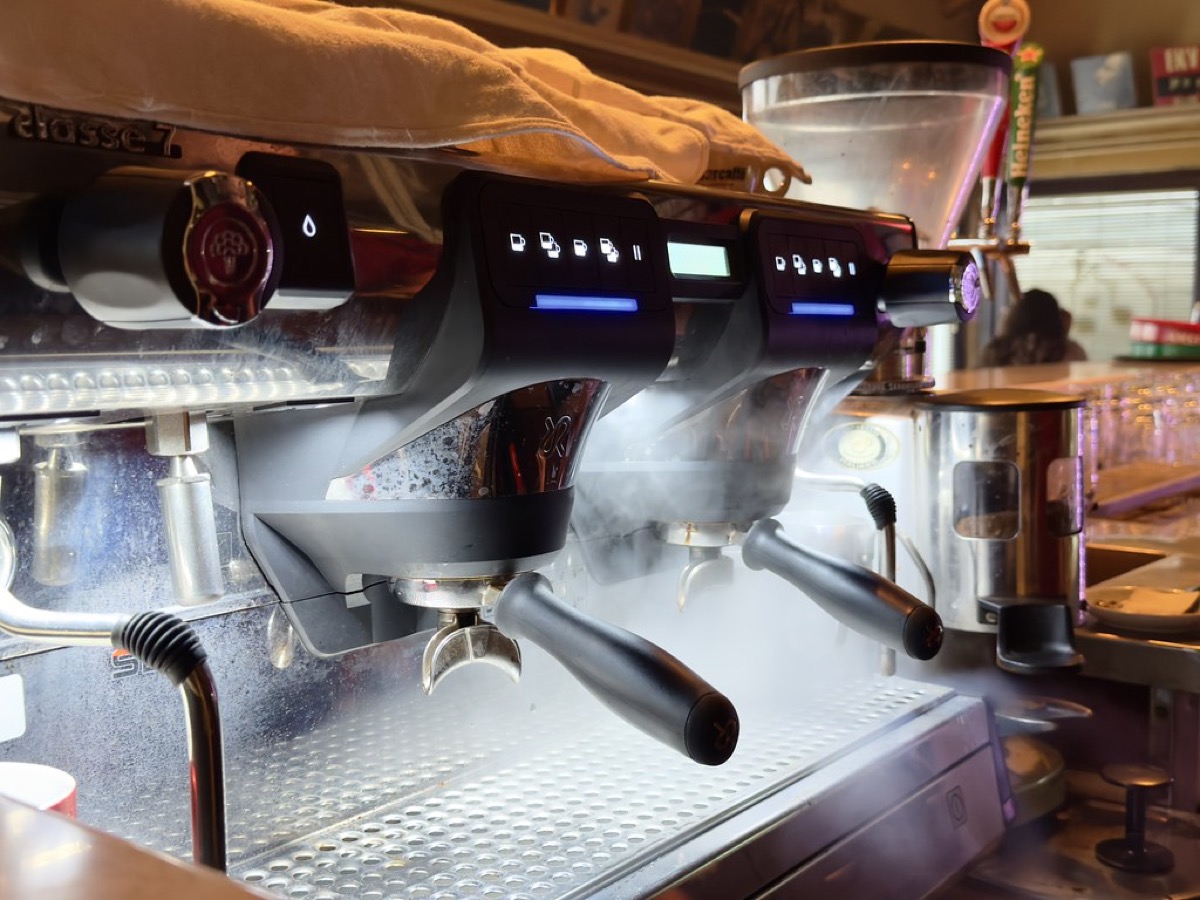
Equipment is the second-largest line, so how you finance it matters. Buying outright costs more up front but nothing monthly, which protects cash flow once you are trading. Leasing spreads the cost and keeps working capital free, but it is a fixed obligation that lands every month whether the cafe is busy or dead in July. A common middle path: buy the reliable workhorses second-hand, like fridges and stainless benches, and lease or finance only the espresso machine, where reliability and warranty earn their keep.
How much does it cost to open a small cafe in NZ?
A tidy 60m² cafe commonly lands somewhere between NZ$80,000 and NZ$250,000, and the spread is that wide for one reason: the fit-out. Taking over an ex-cafe with usable equipment can keep you near the bottom, while a bare-shell build with a new commercial kitchen pushes you toward the top. Add bond and rent in advance, licensing, opening stock, and three months of working capital, then hold 15–20% back as contingency. Get real quotes before you commit to any single number.
Is it cheaper to buy an existing cafe or build one?
Taking over an existing cafe or ex-cafe site is almost always cheaper to fit out, because the extraction, plumbing, grease trap, and often the kitchen are already there. Industry guides show second-hand fit-outs cut cost dramatically versus a bare shell. The trade-off is inheriting someone else’s layout, ageing gear, and sometimes a tired brand. Buying a trading business also means paying for goodwill on top. Price both paths, and factor the value of opening months sooner.
What ongoing costs should I budget for after opening?
Rent is usually your largest fixed cost, followed by wages, then food and packaging (cost of goods). Add power and gas, insurance, waste, merchant fees, accounting, and your software stack. Licensing and food registration renew for several hundred dollars a year. The line most owners underestimate is labour: rosters drift over budget fast. Track weekly, not monthly. Our guide on restaurant cash flow walks through the ratios that keep a cafe solvent.
How much working capital do I need to open a cafe?
Plan for at least three months of running costs in the bank on top of your build and equipment spend. A new cafe rarely covers its own bills from week one: it takes time to build regulars, dial in wastage, and settle rosters. Working capital pays rent, wages, and stock while revenue ramps. Running out of cash in month two is one of the most common ways good cafes fail, so treat this line as essential, not optional padding.
Do landlords help pay for a cafe fit-out?
Often, yes, especially on longer leases. Landlords increasingly offer a rent-free fit-out period, a cash contribution toward the build, or both, in exchange for a longer term and a strong tenant. It is a negotiation, not a given, and everything hinges on your lease. Never sign before you have costed the fit-out, because the incentive you win here can move your total budget by tens of thousands. See lease negotiation for what to ask for.
What licences and permits do I need to open a cafe in NZ?
At minimum you need a food registration under the Food Act, run through your local council, plus a Food Control Plan and a verified food safety process. If you sell alcohol you also need liquor licensing. Registration and renewals typically cost several hundred dollars a year, but the real work is documentation and inspections, so start early. Our rundown of food business licences and permits lists what applies before you trade.
Storefront, orders, kitchen, CRM and marketing in one place. Start free in a couple of minutes, no card needed. Pop in your email and we'll take you straight to setup.
Reprinting menus for one price change gets old fast. Build a QR code menu free in about ten minutes, and see where a static code stops and QR ordering begins.
Somewhere along the way you ended up with nine logins that do not talk. This maps the restaurant tech stack layer by layer, and what a dozen point tools really cost.
Average order value is total revenue divided by number of orders. Here is how to calculate it, why it beats chasing traffic for margin, and how to raise it.
Storefront, POS, kitchen, CRM, marketing. One login, one bill. NZ$1/month for the first 3 months.
Start free trial