How to make a QR code menu (free, 2026)
Reprinting menus for one price change gets old fast. Build a QR code menu free in about ten minutes, and see where a static code stops and QR ordering begins.

Station-by-station kit, the new-vs-used rule, lease maths and forgotten budget items

Short answer: equip the menu, not the catalogue. Write your opening menu first, trace every dish to the stations that produce it, and buy exactly that: cooking line, cold chain, prep, warewashing and service. Split new-versus-used by failure cost, used for simple steel and mechanical gear at 30–60% off, new or warrantied-refurbished for refrigeration, dishwashers and anything whose Saturday-night failure stops service. A café kitchen runs roughly US$20,000–50,000, a full line $50,000–150,000+, and the classic budget-killers are not the appliances, they are extraction, smallwares, and machines bought for dishes that never shipped.
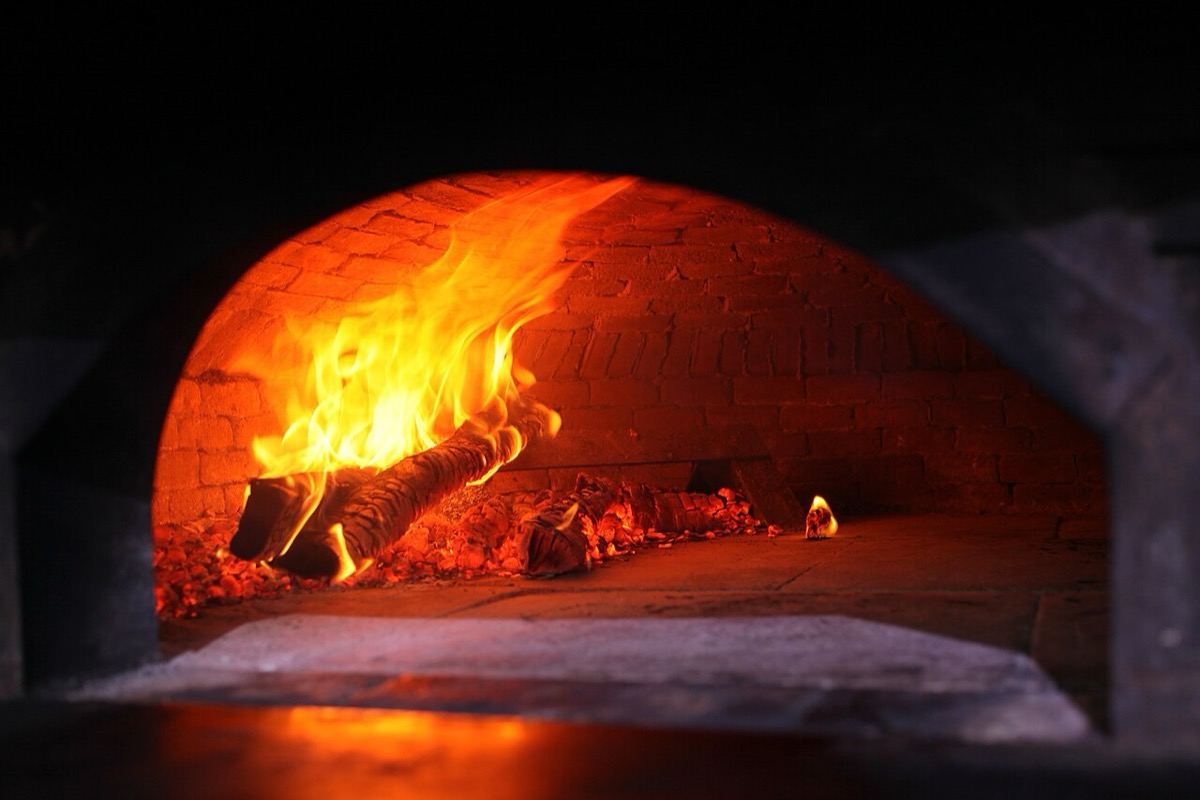
Every equipment mistake begins with shopping before costing. The discipline: cost the opening menu dish by dish (see food cost), write each dish’s production path, and let the union of those paths BE the list. A 25-dish menu that never fries has just saved you a fryer, its extraction uplift and its oil contract; a menu with three wood-fired heroes just justified the oven properly. This is also where menu design and capital meet: trimming two outlier dishes at the design stage regularly deletes $15,000 of equipment (the trade-offs live in menu engineering).
| Station | Core kit | Notes |
|---|---|---|
| Cooking line | Range, oven, and menu-driven extras (fryer, grill, combi) | Size burners to your peak, not your average |
| Cold chain | Walk-in or uprights, freezer, undercounter prep fridges | Size for delivery-day peak stock |
| Prep | Benches, mixer, processor/slicer as menu needs | Used steel is the great bargain here |
| Warewashing | Commercial dishwasher, triple sink, racks | Undersizing this haunts every busy night |
| Service / pass | Heat lamps or hot-hold, plating bench, kitchen screen | Where the POS meets the kitchen |
| Smallwares | Pans, containers, scales, thermometers, knives | Quietly totals $3,000–8,000, budget it |
Used commercial equipment is one of hospitality’s genuine bargains, restaurant turnover keeps auctions and dealers stocked with lightly-used steel at 30–60% off. The rule for where to hunt and where to pay retail: ask what a breakdown costs you. Benches, shelving, sinks, gas ranges and mixers fail rarely and repair cheaply, buy used with confidence. Refrigeration, dishwashers, combi ovens and espresso machines take stock, service or the whole kitchen down with them, buy new or dealer-refurbished with a warranty and a service agreement. And buy used like a professional: run it, check compressor sounds and door seals, ask why it is for sale, and favour dealers who offer even 30-day warranties over pure auction gambles for anything with a motor.
Leasing preserves opening cash, bundles servicing, and smooths the cash-flow forecast; buying is almost always cheaper across the equipment’s life. Do the total: $200 a month for five years is $12,000 against a $7,000 purchase, a 70% premium for the capital freedom. That premium is sometimes exactly right (opening budgets are tight, and an intact reserve beats owned steel), but decide it as a financing choice, not a default. Long-life items you will still use in year ten, steel, ranges, benches, are the strongest buys; fast-evolving or service-heavy gear leans lease.
What equipment does a new restaurant kitchen need?
Think in stations, not shopping lists: cooking line (range, oven, fryer, grill as your menu demands), cold chain (walk-in or upright fridges, freezer, undercounter prep fridges), prep (benches, mixer, processor, slicer as needed), warewashing (commercial dishwasher, sinks), and service (pass, hot-holding, POS and kitchen screen). Let the MENU write the list: every dish should trace to the stations that make it, and any equipment no dish uses gets cut.
Should I buy new or used restaurant equipment?
Split by failure cost. Buy used where mechanics are simple and failure is survivable: benches, shelving, sinks, gas ranges, mixers, often at 30–60% off new. Buy new (or dealer-refurbished with warranty) where downtime kills service or efficiency compounds: refrigeration, dishwashers, combi ovens, espresso machines. The rule: if it breaking on Saturday night would make the news in your kitchen, buy it with a warranty.
Is it better to lease or buy kitchen equipment?
Buying is usually cheaper over the life of the gear; leasing preserves opening cash and can bundle service. Lease when cash is the binding constraint or the technology dates quickly; buy when you can, especially long-life steel. Whatever you choose, read the total: a $200/month lease for five years is $12,000 for a $7,000 machine, sometimes worth it for the capital freed, but know you are paying for that freedom.
How much does restaurant kitchen equipment cost?
A small café kitchen can be equipped for US$20,000–50,000; a full restaurant line commonly runs $50,000–150,000+, before the fit-out costs around it (extraction, gas, drainage are fit-out, not equipment, and often cost more than the appliances). The biggest savings levers: inheriting a former food site, buying quality used steel, and sizing to your actual menu instead of a fantasy one.
What gets forgotten when equipping a kitchen?
The unglamorous 20%: extraction capacity for what you actually cook, enough refrigeration for delivery-day peaks (not average stock), smallwares (pans, containers, scales) which quietly total thousands, a grease trap sized to code, data points and power for the POS and kitchen screens, and service access, the machine nobody can reach to repair becomes the machine that stays broken.
How do I avoid buying equipment I do not need?
Cost every dish on your opening menu and list the stations it touches; buy for that list only. The graveyard items, the pasta extruder, the second fryer, the sous-vide bath for one special, share a biography: bought for a menu that never happened. Capacity you can add later with revenue; capital you burned on day one is gone.
Storefront, orders, kitchen, CRM and marketing in one place. Start free in a couple of minutes, no card needed. Pop in your email and we'll take you straight to setup.
Reprinting menus for one price change gets old fast. Build a QR code menu free in about ten minutes, and see where a static code stops and QR ordering begins.
Somewhere along the way you ended up with nine logins that do not talk. This maps the restaurant tech stack layer by layer, and what a dozen point tools really cost.
Average order value is total revenue divided by number of orders. Here is how to calculate it, why it beats chasing traffic for margin, and how to raise it.
Storefront, POS, kitchen, CRM, marketing. One login, one bill. NZ$1/month for the first 3 months.
Start free trial