How to make a QR code menu (free, 2026)
Reprinting menus for one price change gets old fast. Build a QR code menu free in about ten minutes, and see where a static code stops and QR ordering begins.

Kitchen and registration options, the per-meal cost card, pricing and retention

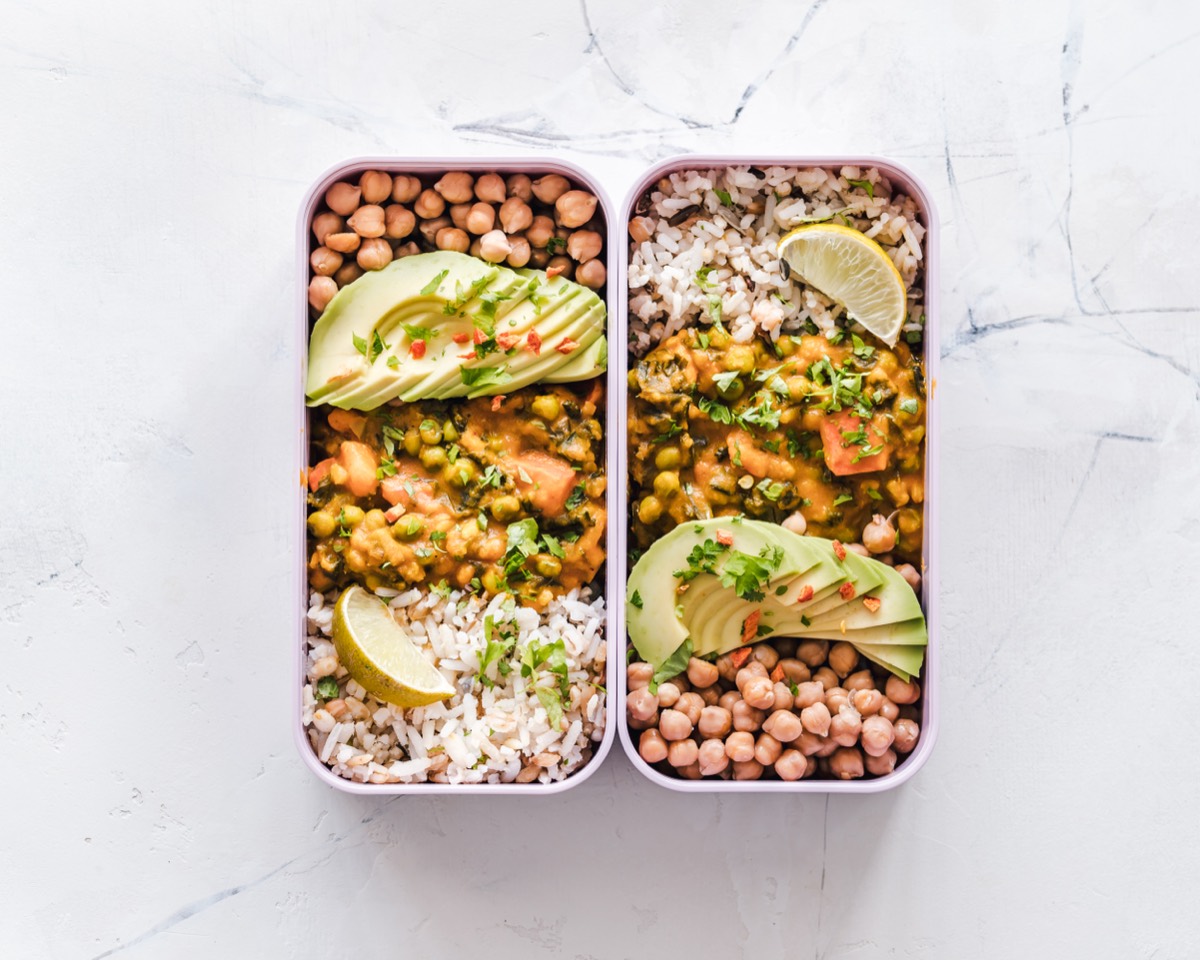
Short answer: meal prep inverts restaurant economics. Customers order and pay BEFORE you cook, so waste approaches zero; production is batched into one or two weekly cook days, so labour per meal is a fraction of à-la-carte; and revenue arrives as subscriptions, so a Tuesday is as predictable as a Saturday. The business stands on three numbers: contribution per meal (price minus ingredients, packaging, labour share, kitchen hire, delivery), customer acquisition cost, and churn, and churn is the boss. The build: pick a niche with a findable audience, register the kitchen properly, build an honest cost card before setting prices, cap weekly volume while systems prove out, and treat retention (menu rotation, the weekly email) as the core product. Here is each step.
| Problem in restaurants | Meal prep answer |
|---|---|
| Cook and hope; waste what does not sell | Orders close before the cook day; waste ~0 |
| Labour spread across every open hour | One or two batch cook days a week |
| Demand swings daily | Subscriptions smooth the week |
| Rent for a dining room | A kitchen by the hour, no front of house |
The catch is symmetrical: with no walk-in traffic, every customer is earned with marketing, and with weekly repetition, every customer is re-earned with menu quality. That is why the two skill sets that decide this business are costing discipline and retention, not culinary heroics.
Start where the capital is smallest: a hired commercial kitchen by the hour (commissaries, community kitchens, cafés idle after 3pm, often $20–40/hour) gives you a registered space with equipment included; a registered home kitchen works where rules and scale allow; a leased kitchen comes later, when weekly volume covers the fixed cost. Whichever route, you need food registration matched to your risk (chilled ready-meals sit at the higher-care end: validated cooling, cold-chain transport, date coding), labels carrying nutrition and plain-English allergen declarations (the allergen disciplines apply in full, your customers eat unsupervised), and reheat instructions that keep the safety chain intact at the customer’s end.
| Component | Per meal |
|---|---|
| Ingredients (costed per recipe) | $4.80 |
| Packaging (tray, sleeve, label, bag share) | $1.10 |
| Labour (cook day ÷ meals produced) | $1.90 |
| Kitchen hire share | $0.65 |
| Delivery share (route ÷ drops) | $1.30 |
| Total cost | $9.75 |
| Price (10-meal bundle rate) | $13.90 |
| Contribution | $4.15 (30%) |
Every line comes from the same recipe-costing method restaurants use, and the two lines beginners forget, packaging and delivery, are a quarter of the cost. From here the viability maths is honest: at $4.15 contribution, 300 meals a week (about 35 subscribers on average bundles) contributes $1,245 before fixed costs, one hard cook day and a delivery run. The jump points arrive at ~150 meals (systems), ~400 (second pair of hands) and ~800 (dedicated kitchen and routes), plan each before it arrives.
“Healthy meals delivered” is a crowded ocean; “macro-counted meals for the members of three named gyms” is a pond you can own. Pick a niche with a physical referral network, gyms, workplaces, sports clubs, school communities, and market where it already gathers: partnership offers, a referral reward, before-and-after content, and a launch cohort priced to fill the first cook day. Then fight churn like it is the business, because it is: rotate the menu weekly (boredom is the #1 stated reason for leaving), send the weekly menu email like a product release, survey every cancellation, and reward streaks. The maths is blunt: at 10% monthly churn you replace your whole base yearly just to stand still; at 4%, the same acquisition effort compounds into growth, the email and SMS playbook is the weapon here.
Is meal prep a profitable business?
It can be, because the model fixes hospitality’s two classic problems: demand is pre-sold (customers order before you cook, so waste approaches zero) and production is batched (one cook session serves dozens of customers, so labour per meal is a fraction of a restaurant’s). Margins live or die on three numbers: cost per meal, customer acquisition cost, and churn. Operators who keep subscribers past month three build genuinely good businesses; those who leak customers monthly just run an exhausting kitchen.
What do I need to start a meal prep business?
A registered kitchen (your own registered home kitchen where rules allow, a hired commercial kitchen by the hour, or a shared commissary), food business registration matched to your risk level, labels with nutrition and allergen declarations, packaging that survives transport and reheating, an ordering system that takes weekly orders and payments, and a delivery or pickup plan. Most operators start with hired kitchen hours and scale to a lease once weekly volume justifies it.
How do I price meal prep meals?
From the cost card up: ingredients per meal + packaging + labour share + kitchen hire share + delivery, then margin. A common structure: meals retailing $12–16, ingredient cost $4–6, packaging $0.80–1.50, with volume discounts for 10+ meal weekly bundles. Subscriptions deserve their own logic: a small discount for committing weekly is cheap retention, and retention is the whole economics of this model.
How many meals do I need to sell to make it viable?
Work backwards from your target income through contribution per meal. If a meal contributes $5 after all variable costs, a $1,500-a-week goal needs 300 meals from roughly 30–40 subscribers, which is one long cook day plus a delivery run. Most operators find the jump points are at ~150 meals (needs systems), ~400 (needs a second pair of hands) and ~800+ (needs a dedicated kitchen and routes).
How do meal prep businesses get customers?
Niche first: “healthy meals” drowns in a crowded market, but “macro-counted meals for gym members in [suburb]”, “family dinners for busy parents”, or “plant-based lunches delivered to offices” each have a findable audience and a referral network (the gym, the school community, the office manager). Partnerships with gyms and workplaces, before-and-after content, and a referral reward for subscribers are the reliable engines. Retention beats acquisition: the weekly menu email is your most valuable marketing asset.
What are the biggest risks in meal prep?
Churn (customers get bored: rotate menus weekly and survey leavers), food safety across transport (validated chilling, insulated delivery, clear reheat instructions, this is where regulators focus), underpricing (forgetting packaging, kitchen hire and delivery in the cost card), and growth outpacing systems (a viral week that breaks your kitchen teaches customers to leave). Scale deliberately: cap weekly orders and raise the cap as systems prove out.
Storefront, orders, kitchen, CRM and marketing in one place. Start free in a couple of minutes, no card needed. Pop in your email and we'll take you straight to setup.
Reprinting menus for one price change gets old fast. Build a QR code menu free in about ten minutes, and see where a static code stops and QR ordering begins.
Somewhere along the way you ended up with nine logins that do not talk. This maps the restaurant tech stack layer by layer, and what a dozen point tools really cost.
Average order value is total revenue divided by number of orders. Here is how to calculate it, why it beats chasing traffic for margin, and how to raise it.
Storefront, POS, kitchen, CRM, marketing. One login, one bill. NZ$1/month for the first 3 months.
Start free trial