How to make a QR code menu (free, 2026)
Reprinting menus for one price change gets old fast. Build a QR code menu free in about ten minutes, and see where a static code stops and QR ordering begins.

Niche, licensing, kitchen options, startup costs, pricing and your first clients

Short answer: to start a catering business, pick a focused niche (corporate drop-off, weddings, or food-truck catering), get a licensed commercial kitchen (a shared commissary is the cheapest start), sort your business registration, food licence, food-safety certificate, and liability insurance, then price every menu from food cost multiplied by about 3 with labour, rentals, and delivery quoted separately. Land your first clients through people who already trust you, take deposits and signed contracts on every event, and let real bookings fund each upgrade. You can launch a lean drop-off operation for a few thousand dollars and scale from there.
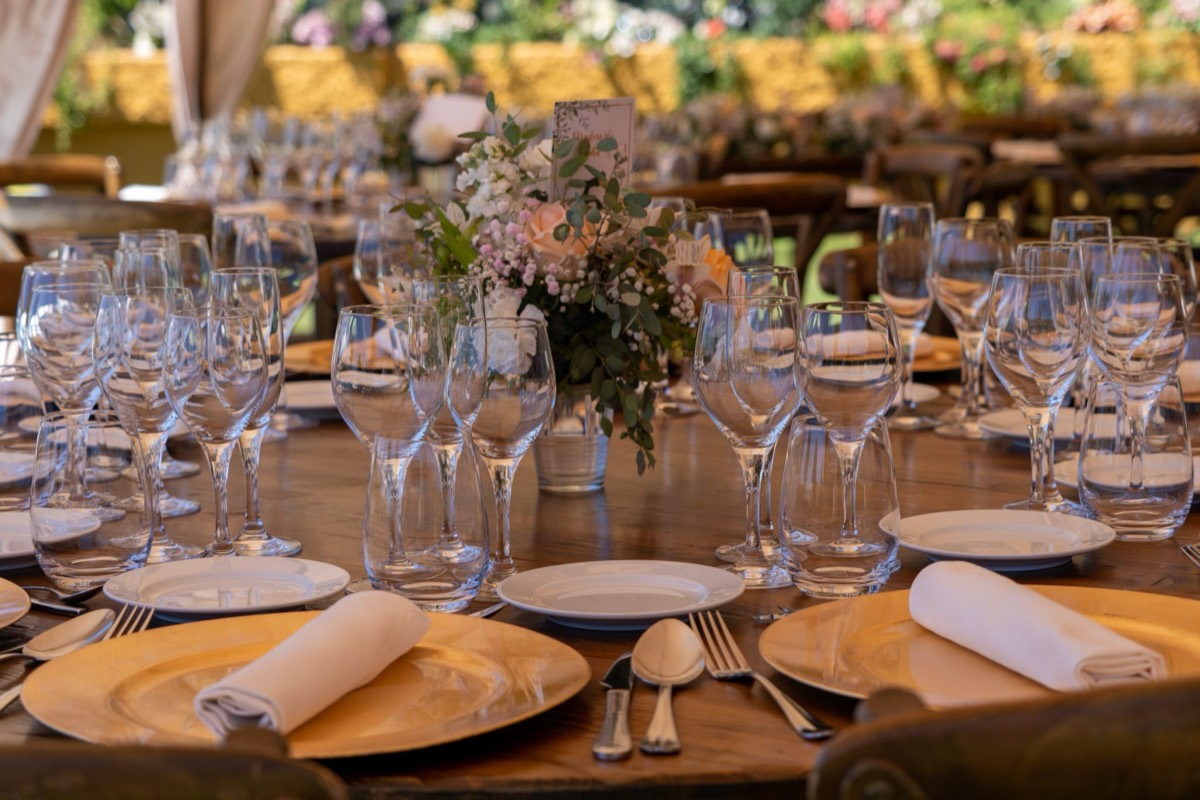
The single most useful decision you make early is choosing a niche. A caterer who does everything for everyone competes on price and burns out. A caterer known for one thing gets referrals, sets their own rates, and builds a repeatable kitchen routine. Pick the niche that matches your kitchen access, your startup budget, and the clients you can actually reach in the first six months.
Corporate drop-off catering is the easiest to start and the fastest to repeat. You deliver trays of food to an office, set nothing up, and leave. Low labour, predictable menus, and clients who order every week. Weddings and social events pay the most per head but need staff, rentals, a tasting process, and nerves of steel on the day. Food-truck catering (bringing a truck or a live cooking station to a private event) blends showmanship with a fixed menu, and works well if you already run or can rent a truck.
| Niche | Startup difficulty | Margin | Best for |
|---|---|---|---|
| Corporate drop-off | Low | Solid, high repeat | Fastest recurring revenue, minimal staff |
| Weddings and social | High | Highest per head | Confident operators who love service |
| Food-truck catering | Medium | Good | Existing truck owners, live-cooking appeal |
| Private chef and small events | Low | High per booking | Solo cooks building a name |
You do not have to stay in one lane forever. Most caterers start narrow to build a reputation and a rhythm, then add a second niche once the first one runs smoothly. Starting narrow is the point, not a limitation.
Before you spend money, cook for real people. Cater a friend's party, a work lunch, or a small event at cost. You are testing three things: does the food travel and hold well, can you produce it at volume on time, and will people pay what you need to charge? Write down what broke. That feedback is worth more than any business plan you write in a vacuum.
Register the business, choose a structure (sole trader or a limited company for liability protection), and get the food licences your region requires. At minimum most caterers need a business registration, a food business licence or registration tied to their kitchen, a food-safety certificate, and public liability insurance. Do this before you take a booking. Our overview of food business licences and permits walks through what each one is and who issues it.
This is the step most new caterers underestimate. In almost every region, food made for sale must come from an inspected, licensed kitchen, and a home kitchen usually does not qualify. Your options are covered in detail below. For most people the answer is a shared commissary rented by the hour, because you get an inspected space without a six-figure build-out.
A catering menu is not a restaurant menu. It has to survive transport, hold temperature for an hour or more, and reheat or serve without a full kitchen on site. Favour dishes that improve or hold with time (braises, roasted vegetables, grain salads, cured and marinated items) and avoid anything that goes soggy, wilts, or needs last-second plating. Keep the list short so you can buy in bulk and produce at volume.
Underpricing kills more catering businesses than bad food. Build your prices from food cost, not from what the competitor down the road charges. The worked example further down shows exactly how. Get this right on day one because it is painful to raise prices on repeat clients later.
Every event starts with a quote and should never start without a deposit. Decide how a client asks for a quote, how you send it, how they approve it, and how they pay. Doing this on scattered email threads and manual invoices is where money and details get lost. One system that turns an enquiry into a quote, a quote into a confirmed booking with a deposit, and a booking into a paid invoice will save you hours a week.
Your first ten bookings come from your existing network, not from advertising. Tell everyone you know. Offer a discounted or free first event in exchange for photos and a written review. Set up a Google Business Profile, post real photos of real food, and ask every happy client for a referral. Corporate lunch drop-off is usually the quickest door into repeat revenue.
Once bookings are steady, write down your recipes at scale, your packing lists, your delivery routine, and your staffing plan. Scaling is not about working more hours, it is about making the work repeatable so you can hand parts of it to staff. Buy the van, hire the second cook, and add the second niche only when the numbers and the systems are ready.
Where you cook shapes your costs, your licensing, and how big you can grow. Here are the realistic options.
| Option | Typical cost | Pros | Watch out for |
|---|---|---|---|
| Shared commissary (rented by the hour) | $15–$40 per hour | Inspected, low upfront cost, flexible | Booking clashes at peak times, storage limits |
| Restaurant off-hours rental | Negotiated, often $500–$1,500 per month | Full kitchen, existing licence | Access limited to their downtime, shared storage |
| Home or cottage-food kitchen | Low, but limited | Cheapest, full control | Only allowed for low-risk items in some regions |
| Your own commercial build-out | $50,000–$250,000+ | Full control, no clashes | Heavy capital, permits, only worth it at scale |
For almost every new caterer the honest answer is a shared commissary. You get a licensed, inspected space, you pay only for the hours you use, and you skip the enormous cost and permitting of building your own kitchen. Move to a restaurant off-hours deal or your own space only when your booking volume justifies the fixed cost. Cottage-food laws, where they exist, let you sell a narrow set of low-risk items (baked goods, jams, some dry goods) from a home kitchen, but they rarely cover the hot, high-volume food most caterers sell.
Startup cost depends almost entirely on your niche and whether you rent or buy. Here is a realistic range for a lean drop-off or small-event caterer using a shared kitchen and renting big equipment. Treat these as planning ranges, not quotes, because prices vary by region.
| Item | Lean start | Fuller start |
|---|---|---|
| Licences, registration, food-safety certificate | $200–$800 | $500–$1,500 |
| Public liability insurance (first year) | $500–$1,500 | $1,000–$3,000 |
| Commercial kitchen (first 3 months) | $500–$2,000 | $3,000–$6,000 |
| Serving equipment, chafers, transport gear | $1,000–$3,000 | $5,000–$12,000 |
| Vehicle (used van or rental deposit) | $0–$3,000 | $8,000–$30,000 |
| Branding, website, ordering setup | $300–$1,500 | $2,000–$6,000 |
| Initial food and packaging for first jobs | $500–$2,000 | $3,000–$8,000 |
| Working capital buffer | $1,000–$3,000 | $5,000–$15,000 |
| Rough total | $4,000–$16,800 | $27,500–$81,500 |
The single biggest lever is renting instead of buying. Chafing dishes, tables, linens, glassware, and even refrigerated transport can be rented per event and billed straight to the client, so they never sit on your balance sheet. Buy gear only once you use it often enough that owning beats renting.
Catering pricing starts from food cost and works up. The common rule of thumb is a food-cost multiplier of about 3: your food cost per head is roughly one third of the food portion of the menu price. Drop-off, with less service, can sit nearer 2.5–3x. Crucially, labour, rentals, delivery, and gratuity are quoted as separate lines, not folded into the per-head food number.
Here is a plated corporate lunch for 50 guests, worked from the ground up.
| Line | Calculation | Amount |
|---|---|---|
| Food cost per head | Raw ingredients | $9.00 |
| Menu price per head | $9.00 x 3 multiplier | $27.00 |
| Food subtotal | $27.00 x 50 guests | $1,350.00 |
| Labour | 2 staff x 5 hours x $30 | $300.00 |
| Equipment rental | Chafers, serving gear | $120.00 |
| Delivery and setup | Flat event fee | $90.00 |
| Subtotal before tax and gratuity | Sum of the above | $1,860.00 |
| Suggested gratuity (optional, 15%) | On subtotal | $279.00 |
The food multiplier is not profit, it is what keeps you solvent. That extra two thirds pays for the food you throw away, the hours you spend quoting and shopping, your kitchen rent, packaging, insurance, and only then your profit. Quote labour, rentals, and delivery on their own lines so clients see the value and so a large event does not quietly lose you money. For a deeper breakdown, including per-head, per-platter, and per-hour models, see our full guide on how to price catering.
A dish can be perfect in your kitchen and a disaster on a client's table an hour later. Design the menu for the journey, not just the plate. A few rules that separate caterers who get rebooked from those who do not:
Catering revenue is lumpy: a few large bookings, often seasonal, sometimes months apart. That makes contracts and deposits non-negotiable, not optional niceties. A deposit protects you against last-minute cancellations that leave you holding purchased food, and a signed contract prevents the scope from creeping after the price is agreed.
A sound arrangement for most caterers: take a deposit of 25% to 50% to confirm the date, collect the balance a few days before the event or on delivery, and set a guaranteed head count deadline (often 3 to 7 days out) after which the client pays for that number even if fewer people show. Put cancellation terms, the final count deadline, dietary requirements, and exactly what is and is not included in writing. Every event, no exceptions.
You do not need a marketing budget to fill your first calendar, you need proof and referrals. The sequence that works: cater a few events at or near cost for people you know, capture great photos and written reviews, then turn that social proof into paid bookings.
Marketing on the big delivery apps is a different game and rarely fits catering, whose orders are large, scheduled, and custom. Owning the enquiry directly, through your own quote and booking flow, keeps far more of every large order in your pocket than paying the 15–30% commission the delivery marketplaces take. Direct is both cheaper and a better fit for how catering actually sells.
Scale when the work is repeatable and demand is consistently outrunning your capacity, not before. The order to add capacity usually goes: document your recipes and processes so anyone can follow them, hire part-time event staff for the busy dates, then a second cook, then invest in your own vehicle or kitchen once the fixed cost is clearly covered by steady bookings. If your operation is already running and you want to sharpen day-to-day systems rather than launch, our operating-side companion, the restaurant catering guide, goes deeper on running an established catering arm. And if you want the numbers and strategy laid out formally, a proper restaurant business plan template maps neatly onto a catering startup.
How much does it cost to start a catering business?
A drop-off or home-based catering business can start from roughly $5,000–$20,000 if you use a shared commissary kitchen and rent equipment. A full-service caterer with vans, staff, and owned gear runs $30,000–$100,000 or more. The biggest early costs are kitchen access, insurance, a first round of serving equipment, and a vehicle. Start small, rent before you buy, and let real bookings fund the next upgrade.
Do I need a commercial kitchen to start catering?
Almost always, yes. Most regions require food prepared for sale to be made in an inspected, licensed kitchen, not a home kitchen. The common paths are renting time in a commissary or shared kitchen, using a restaurant kitchen during its off-hours, or (where cottage-food laws allow) selling only low-risk items from home. A shared commissary is the usual low-cost starting point because you skip the build-out.
How do I price catering per person?
Start from your food cost per head, then multiply by about 3 to cover food, overhead, and profit (drop-off can sit nearer 2.5–3x). Price labour, rentals, delivery, and gratuity as separate lines, not baked into the per-head number. So if food is $9 a head, your food portion of the menu price is around $27, and staffing or delivery is quoted on top. Always confirm a final head count before the event and bill from the guaranteed number.
What licences and permits do caterers need?
Typically a business registration, a food business licence or registration for your kitchen, a food-safety certificate for whoever runs the food, and liability insurance. If you serve alcohol you usually need a separate licence or must work through a licensed venue. Requirements vary by country, state, and city, so confirm with your local food-safety authority before you take a single booking.
Is catering more profitable than a restaurant?
It can be, because catering has lower fixed costs (no dining room, no full-time front-of-house) and you know the head count and menu in advance, which slashes waste. Margins on well-priced catering often beat a comparable restaurant. The trade-offs are lumpy, seasonal revenue and heavy reliance on a few large bookings, so cash flow and deposits matter more than day-to-day covers.
How do I get my first catering clients?
Start with people who already trust you: friends, family, past employers, and local businesses that order lunch. Offer a small tasting or a discounted first event in exchange for a review and photos. List on Google Business Profile, post real food photos, and ask every happy client for a referral and a testimonial. Corporate lunch drop-off is often the fastest repeat-revenue niche to break into.
Storefront, orders, kitchen, CRM and marketing in one place. Start free in a couple of minutes, no card needed. Pop in your email and we'll take you straight to setup.
Reprinting menus for one price change gets old fast. Build a QR code menu free in about ten minutes, and see where a static code stops and QR ordering begins.
Somewhere along the way you ended up with nine logins that do not talk. This maps the restaurant tech stack layer by layer, and what a dozen point tools really cost.
Average order value is total revenue divided by number of orders. Here is how to calculate it, why it beats chasing traffic for margin, and how to raise it.
Storefront, POS, kitchen, CRM, marketing. One login, one bill. NZ$1/month for the first 3 months.
Start free trial