TouchBistro review (2026): pricing, pros and cons
TouchBistro is a strong iPad POS for full-service dining, but annual contracts, a required processor and paid add-ons push the real bill higher. Here is the fair breakdown.

An honest, fair look at what Toast does brilliantly for restaurants and the trade-offs to model before you sign.

Short answer: Toast is one of the strongest restaurant point-of-sale systems on the market, genuinely excellent for busy full-service and multi-terminal venues thanks to deep kitchen, ordering and payroll features and a large ecosystem. The trade-offs are real too: you are locked to Toast card processing, you buy proprietary hardware from around $799, contracts of 2 to 3 years are common, and the add-ons stack the monthly bill. If your restaurant will use the depth, Toast earns its cost; if you are a small or lean operation, model the all-in number first, because software price is only one line of three.
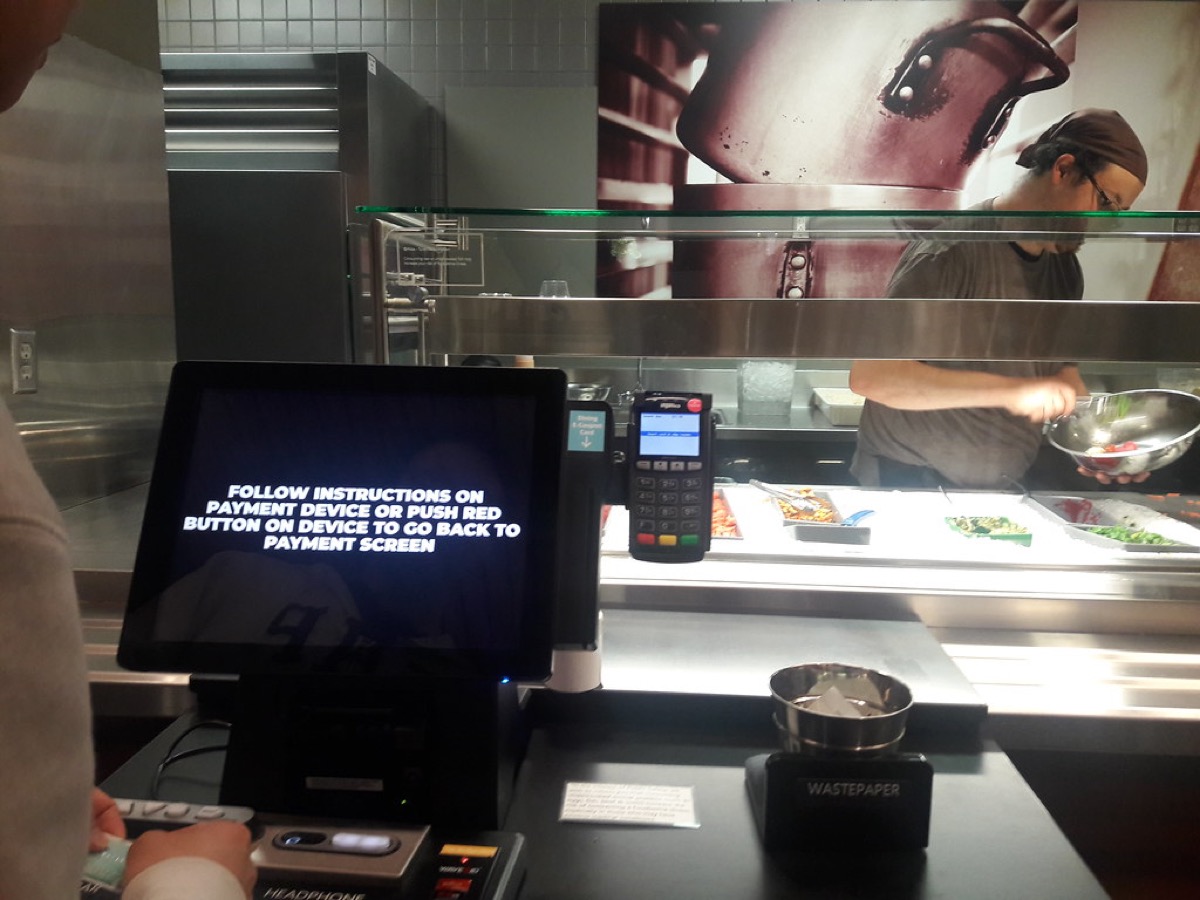
Toast is a restaurant-specialist platform that bundles point-of-sale software, its own payment processing, and its own hardware into one system. Unlike a general POS that lets you plug in any card processor, Toast is designed as a closed loop: the terminals, the software and the payments all come from Toast. That integration is exactly why it is powerful and exactly why the lock-in matters. You are not assembling a stack, you are buying into an ecosystem.
It is built for restaurants first, not retail-with-a-food-menu. That focus shows up everywhere: coursing and modifiers, kitchen routing, tip handling, 86ing items, split checks and server workflows are all first-class, not bolted on. For a full-service dining room, that specialisation is the whole point.
A fair review names the real strengths, and Toast has plenty. This is where it shines.
If your operation is a full-service restaurant with a real kitchen line, multiple terminals and staff on payroll, this depth is not marketing. It saves labour and reduces errors every single service, which is the honest case for choosing Toast.
The other half of a fair review is the cost of that depth. None of these are dealbreakers on their own, but together they change the maths, so model them before you sign.
Toast is a payments company as much as a software company. You process cards through Toast and cannot bring your own merchant account or shop a cheaper processor later. Indicative 2026 rates are around 2.49% + 15 cents per transaction in person on the paid plan, closer to 3.09% + 15 cents on the free plan, and about 3.50% + 15 cents online. Because processing scales with revenue, this is usually the largest slice of your true monthly cost, and you have no way to negotiate it against another provider once you are in. Check Toast current pricing, because published rates change.
Toast terminals, handhelds and kitchen displays are Toast-made and do not run on a phone or tablet you already own. Hardware starts around $799 for a basic kit and climbs quickly with handhelds, KDS screens and printers. You can finance it into the deal, but financing hardware is one of the things that tends to lengthen the contract term, so read that link between hardware and contract carefully.
Multi-year agreements are common with Toast, particularly once hardware is bundled. Terms vary by how you sign up and some configurations are shorter, but you should assume a 2 to 3 year commitment unless you confirm otherwise in writing. Read the auto-renewal clause and any early-termination language before you sign, and ask directly for month-to-month if that matters to you.
The headline software price is a starting point, not the total. Online ordering, loyalty, email marketing, payroll, gift cards and extra terminals are often separate line items. A quote that looks like $69/mo can land well past that once the modules your restaurant actually needs are switched on, so build the bill from the features you will use, not the entry tier.
These are indicative 2026 tiers to frame the conversation, not a quote. Toast prices by plan, processing and hardware separately, and all three move, so treat every figure as a general tier and check Toast current pricing before you commit.
| Plan | Indicative software /mo | In-person processing | Online processing |
|---|---|---|---|
| Starter Kit | $0 | ~3.09% + 15 cents | ~3.50% + 15 cents |
| Point of Sale | ~$69 | ~2.49% + 15 cents | ~3.50% + 15 cents |
| Build Your Own | ~$165 custom | negotiated / plan-based | ~3.50% + 15 cents |
| Hardware | from ~$799 (one-off or financed) | proprietary, Toast-made | proprietary, Toast-made |
Notice the pattern: the free plan trades a lower monthly fee for a higher processing rate. On any real order volume, a fraction of a percent on every transaction outweighs a fixed monthly saving, which is why the entry tier is not automatically the cheapest choice. That is the trap the worked example below is built to expose.
The number that matters is software plus processing plus hardware, not the plan price alone. Take a mid-size restaurant doing $60,000 a month in card sales across an average ticket, with most of that dine-in and a slice online. Here is how the true monthly cost builds on the Point of Sale plan.
| Line item | Assumption | Indicative monthly cost |
|---|---|---|
| Software (Point of Sale) | Base plan | ~$69 |
| In-person processing | $50,000 at ~2.49% + 15 cents on ~10,000 tickets | ~$2,745 |
| Online processing | $10,000 at ~3.50% + 15 cents on ~1,500 tickets | ~$575 |
| Add-ons | Online ordering, loyalty, extra terminal | ~$100 to $250 |
| Hardware (financed) | Kit spread over the contract term | ~$100 to $200 |
| Estimated true monthly cost | Software + processing + add-ons + hardware | ~$3,589 to $3,839 |
The lesson is not that Toast is expensive; it is that the $69 line is under 2 percent of the real bill. Processing is the number to interrogate. Because it is locked, the effective rate you sign up to on day one is the rate you live with for the whole contract, so a small difference compounds into thousands over 2 to 3 years. For context on how in-person and online rates are built from interchange plus markup, our guide to the best restaurant POS systems at /blog/best-restaurant-pos-systems breaks the components down.
Run this same table on your own volume before any sales call. If you cannot get a straight processing rate and contract term in writing, that is your answer.
The most common alternative people weigh against Toast is Square for Restaurants, so it is worth a fair side-by-side. Square offers a free plan plus a paid tier around $69/mo, with indicative processing near 2.6% + 10 cents in person and 2.9% + 30 cents online, and it is month-to-month with no long contract. Square is lighter on the deepest full-service features but far more flexible on commitment and hardware. We cover it in full in our Square for Restaurants review at /blog/square-for-restaurants-review, and if you want the enterprise-leaning option, our Lightspeed Restaurant review at /blog/lightspeed-restaurant-review is the other end of the spectrum.
| Factor | Toast | Square for Restaurants |
|---|---|---|
| Restaurant feature depth | Very deep, full-service focused | Solid, lighter on advanced full-service |
| In-person processing | ~2.49% + 15 cents (paid plan) | ~2.6% + 10 cents |
| Online processing | ~3.50% + 15 cents | ~2.9% + 30 cents |
| Hardware | Proprietary, from ~$799 | Own hardware or common tablets |
| Contract | Commonly 2 to 3 years | Month-to-month |
| Processing lock-in | Locked to Toast | Locked to Square |
Both lock you to their own payments; the real difference is depth versus flexibility and contract length. Square is the better fit for a lean or newer venue that wants out-clauses; Toast is the better fit for a high-volume kitchen that will use every advanced feature.
Plattr publishes this blog, so treat this as an informed but interested view; the fit test below is written to be useful whichever way you go. With that said, here is the honest frame. Plattr is an all-in-one operating system for food businesses: point of sale, a direct online ordering storefront, loyalty, marketing and around 40 apps behind one login. The design goals are the mirror image of the Toast trade-offs. It runs on the devices you already own, so there is no proprietary hardware to buy and no lock-in to a single terminal. It is free to start, and direct online ordering fees start from 2.5% per order, region-dependent.
That last point is the one worth sitting with. Whether you use Toast, Square or Plattr, first-party ordering is dramatically cheaper than the 15% to 30% that marketplace delivery apps take per order. If most of your online business currently runs through Uber Eats or DoorDash, the biggest saving on the table is not switching POS at all, it is moving customers to your own ordering channel. Our breakdown of food delivery commission rates at /blog/food-delivery-commission-rates shows exactly how much those apps take and why direct ordering wins.
Plattr is the best fit for a food business that wants one login, low direct-ordering fees and no hardware commitment, because it collapses the stack into a single subscription, keeps you off proprietary terminals, and lets you own your customer list and data rather than renting it from a marketplace. It leans lean and software-first where Toast leans in-venue and hardware-first, and that is the honest trade.
The verdict is not one-size-fits-all, so here is the decision rule laid out plainly. Read the row that describes your operation.
| Pick Toast if... | Pick Plattr if... |
|---|---|
| You run a busy full-service restaurant with a real kitchen line | You run a cafe, truck, ghost kitchen or lean venue and want to stay light |
| You will use KDS, coursing, payroll and the full ecosystem | You want POS, online ordering and loyalty in one login without the sprawl |
| You are comfortable buying proprietary hardware and financing it | You want to run on the phones and tablets you already own |
| A 2 to 3 year contract and locked processing are acceptable to you | You want low commitment and direct ordering fees from 2.5% |
| In-venue depth matters more than flexibility | Owning your customer data and keeping fees low matters most |
If you land in the left column, Toast is a strong, credible choice and this review is not trying to talk you out of it. If you land in the right column, a lighter all-in-one will likely cost less and lock you into nothing.
How much does Toast POS cost per month?
Toast software runs from a $0/mo Starter Kit up to around $69/mo for the Point of Sale plan and roughly $165/mo for a Build Your Own custom setup, indicative for 2026. That is only the software line, though. Your real monthly cost is software plus card processing plus hardware financing, and processing is usually the biggest number of the three. Always check Toast current pricing before you sign, because tiers and rates move.
Does Toast lock you into their card processing?
Yes. Toast is a bundled POS and payments company, so you process card payments through Toast and cannot bring your own merchant account or shop around for a cheaper processor. Indicative 2026 rates are around 2.49% + 15 cents in person on the paid plan, closer to 3.09% + 15 cents on the free plan, and about 3.50% + 15 cents online. That lock is the single most important thing to model before committing.
Is Toast worth it for a small restaurant?
For a busy full-service or multi-terminal restaurant that will use the kitchen display, coursing, online ordering and payroll, Toast is often worth it because the depth saves real labour. For a small cafe, food truck or single-till spot, the proprietary hardware from around $799, the multi-year contract and the stacked add-ons can cost more than the features return. Run the worked monthly-cost example in this article on your own order volume first.
Does Toast require a long contract?
Toast commonly uses 2 to 3 year agreements, especially once hardware is financed into the deal, and terms vary by how you sign up. Read the term length, the auto-renewal clause and any early-termination language before you commit, and get the specifics in writing. Month-to-month options exist in some configurations, so ask directly rather than assuming.
What is the difference between Toast and Plattr?
Toast is a restaurant-specialist POS built around its own hardware and payment rails, with deep in-venue features and a large add-on ecosystem. Plattr is an all-in-one operating system for food businesses that runs on the devices you already own, keeps online ordering fees low from 2.5%, and puts POS, storefront, loyalty and more behind one login with no hardware lock-in. Toast leans in-venue and hardware-first; Plattr leans lean, direct and software-first.
How do Toast online ordering fees compare to delivery apps?
Toast online ordering at roughly 3.50% + 15 cents per order is far cheaper than marketplace delivery apps, which take from 15% to 30% per order on their networks. Any first-party ordering channel, Toast or otherwise, beats handing a third of the ticket to Uber Eats or DoorDash. The real saving comes from sending customers to your own ordering page instead of the marketplace, which is the same logic behind Plattr direct ordering from 2.5%.
Storefront, orders, kitchen, CRM and marketing in one place. Start free in a couple of minutes, no card needed. Pop in your email and we'll take you straight to setup.
TouchBistro is a strong iPad POS for full-service dining, but annual contracts, a required processor and paid add-ons push the real bill higher. Here is the fair breakdown.
Toast and Clover both want to run your restaurant, and both ask for something back: Toast locks processing, Clover locks contracts. Priced honestly, side by side.
Friday at nine, twenty tabs open, one card reader. Seven bar POS systems judged on tab speed, card holds and staying up when the room fills.
Storefront, POS, kitchen, CRM, marketing. One login, one bill. NZ$1/month for the first 3 months.
Start free trial