GloriaFood review (2026): is the free plan worth it?
GloriaFood gives you a genuinely free ordering and reservation widget with no per-order commission. Here is what free actually covers, what you pay for, and how it compares.

Plans, hardware, 36-month contracts and reseller pricing, with the real cost for food venues

Short answer: Clover is a capable, flexible point-of-sale system with a wide hardware range and a large app marketplace, and it suits many quick-service and casual food businesses. The catches are commercial, not technical: restaurant software plans typically run around $135 to $354 a month, most deals come on 36-month contracts with early-termination fees, and pricing swings wildly depending on which reseller sells it to you. In-person processing sits around 2.3 to 2.6 percent plus 10 cents, and keyed or online transactions cost more. Clover is worth a serious look if you are counter-first and willing to negotiate hard, but read the contract line by line and price the whole stack, not just the headline plan.
Plattr publishes this blog, so treat this as an informed but interested view. The fit test near the end is written to be genuinely useful whichever way you go, and the strengths section below is not faint praise: Clover does several things well.
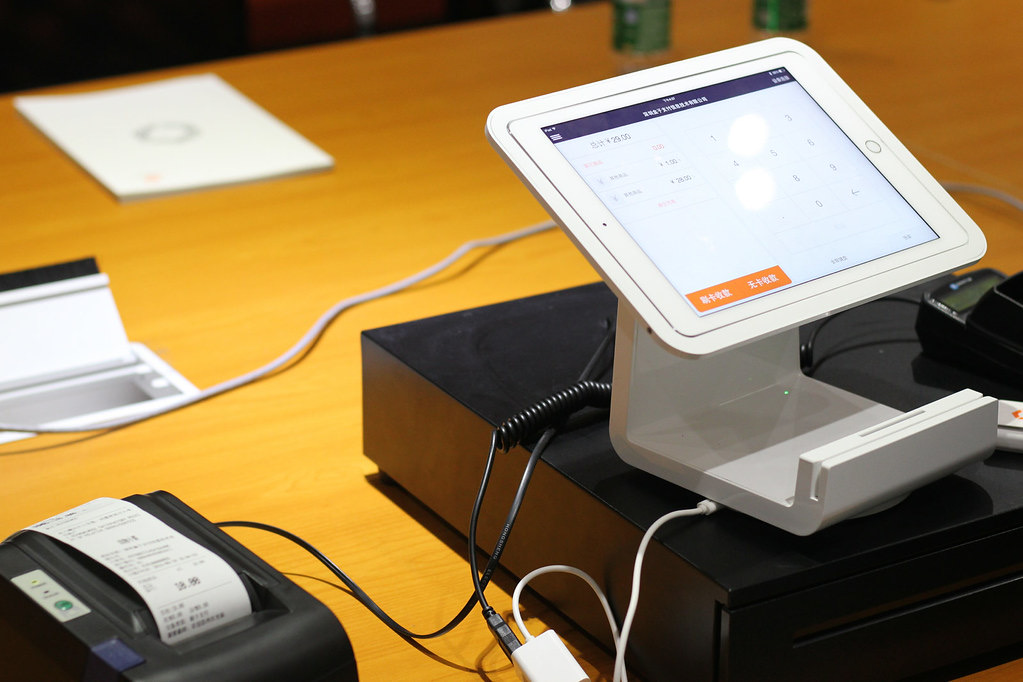
Clover is a point-of-sale and payments platform owned by Fiserv, sold both directly and through a large network of banks and independent resellers. It began as a general-purpose retail and payments system and expanded into food service, so it spans retail, service and hospitality rather than being built only for restaurants. You buy Clover hardware (a countertop station, a handheld, a compact mini, or a mobile reader), pay a monthly software plan, and run card payments through Clover processing or, with some resellers, a third-party processor. Its defining feature is breadth: many device shapes, many plan tiers, and an app marketplace that bolts on extra capability.
Clover pricing has two moving parts that most reviews gloss over: the software plan and the processing rate, and both depend on who you sign with. These are indicative 2026 figures, framed as general tiers. Clover pricing is set largely by resellers, so always check the current pricing and the exact terms in your own quote before you commit.
| Cost line | Indicative 2026 range | What to watch |
|---|---|---|
| Restaurant software plan | ~$135 to $354 per month | Usually on a 36-month contract; tier depends on features and reseller |
| In-person processing | ~2.3% to 2.6% + 10¢ per transaction | Best rates near 2.3% + 10¢ on higher restaurant plans |
| Keyed / online processing | ~3.5% + 10¢ per transaction | Card-not-present always costs more than dipped or tapped |
| Hardware | One-off purchase or lease | Leasing can hide a long, costly commitment |
| Early-termination fee | Set by reseller | The real cost of leaving a 36-month contract early |
The single most important thing to understand about Clover pricing is that it is not one price. Because so many banks and resellers sell it, two identical setups can carry very different monthly fees and processing rates. That is not a flaw in the software, but it does mean the burden is on you to compare quotes and negotiate. Ask every reseller for the effective rate on a real month of your sales, including all per-transaction fees, and get the contract length and termination fee in writing.
A fair review names what a product does well, and Clover has real advantages that keep it popular in food service.
Clover sells more device shapes than most competitors: a full countertop station with a customer-facing screen, a sturdy handheld for tableside or line-busting, a compact mini for tight counters, and a mobile reader for markets and pop-ups. If your floor plan or service style is unusual, that variety is genuinely useful. You can mix devices across a single account and match the hardware to each station rather than forcing one form factor everywhere.
Clover has one of the deeper third-party app marketplaces in the POS world. Need scheduling, extra reporting, a specific loyalty program, inventory tools, or an integration with an accounting package? There is often an app for it. This lets you extend the system well beyond the base feature set, which is a real advantage for businesses with specific needs. The trade-off, covered below, is that stacking apps adds monthly cost and can turn one bill into several.
Because Clover was not built solely for restaurants, it handles mixed businesses well. A cafe with a retail shelf, a bakery selling both plated items and packaged goods, or a food hall with a merchandise corner can run food and retail on the same system. If your business straddles categories, that general-purpose DNA is a strength rather than a compromise.
Unusually for an all-in-one system, Clover hardware bought through certain resellers can be used with a third-party payment processor. If you have leverage and a high card volume, that means you can shop the processing rate rather than being permanently tied to one. It is not universal (many units are locked to the reseller that sold them), but where it exists it is a genuine edge over fully closed systems.
Balanced means naming the costs too. None of these are dealbreakers on their own, but together they explain why Clover reviews are so mixed.
The most common Clover restaurant deal comes on a 36-month contract with an early-termination fee. Three years is a long time to commit a young food business to a fixed monthly rate and a fixed processor. If the reseller relationship sours, the rate is uncompetitive, or you simply outgrow the setup, leaving early can be expensive. Month-to-month terms exist with some resellers, but they are the exception, so you have to seek them out and often pay more for the flexibility.
The same variety that makes Clover flexible also makes its pricing opaque. There is no single published rate you can trust, because your bank, an independent sales organisation, and Clover direct may all quote different numbers for the same hardware. This puts the work on you: collect several quotes, compare the effective processing rate rather than the headline, and confirm every fee. A great Clover deal and a poor one can look identical on the box.
Clover handles quick-service and casual dining well, but its general-purpose roots show in full-service settings. Deep coursing, complex server handoffs, intricate floor plans and fine-grained seat management often rely on add-on apps rather than being native and polished out of the box. A busy full-service restaurant should trial those exact workflows on real hardware before signing, because the demo counter and a Friday-night dining room are very different tests.
The marketplace is a strength, but every app you add is another monthly line. Loyalty here, advanced reporting there, an online-ordering bolt-on, and a scheduling tool: the base plan can quietly become a much larger bill once you assemble the features you actually need. When you price Clover, price the finished stack including every app, not the entry plan in isolation.
Headline plan prices mislead because they ignore processing, which is usually the biggest number. Take a casual food business doing $60,000 a month in card sales, mostly in person with a slice of online ordering. Here is a simple, indicative build. Your real quote will differ, so treat this as a method, not a promise.
| Line item | Assumption | Monthly cost |
|---|---|---|
| Software plan | Mid restaurant tier | ~$268 |
| In-person processing | $52,000 at ~2.4% + 10¢ | ~$1,290 |
| Online / keyed processing | $8,000 at ~3.5% + 10¢ | ~$293 |
| A couple of marketplace apps | Loyalty + reporting | ~$90 |
| Indicative total | Before hardware and add-on taxes | ~$1,941 per month |
Two lessons fall out of this. First, processing dwarfs the plan fee, so a 0.2 percent difference in your negotiated rate matters far more than which tier you pick. On $60,000 of volume, 0.2 percent is about $120 a month, or roughly $1,440 a year. Second, the marketplace apps that make Clover flexible also lift the total. Always model the whole stack across a real month before you sign a 36-month term.
The same discipline applies to any system you compare it against. If you want a structured way to score contenders side by side, our guide to the best restaurant POS systems walks through the criteria, and the Square for Restaurants review covers the closest month-to-month alternative to Clover.
Clover and a platform like Plattr solve overlapping problems from opposite directions. Clover leads with hardware and payments and extends outward through apps. Plattr leads with software (around 40 apps in one login) and runs on devices you already own. Neither is universally better, so the honest comparison is about your model.
| Factor | Clover (2026, indicative) | Plattr |
|---|---|---|
| Contract | Commonly 36 months with exit fee | Month-to-month, no long lock-in |
| Hardware | Proprietary Clover devices | Devices you already own |
| Pricing source | Varies by reseller | Published and consistent |
| In-person processing | ~2.3% to 2.6% + 10¢ | Per-order fees from 2.5% |
| Bundled tools | Base plan plus paid apps | ~40 apps in one login |
| Data ownership | Depends on setup | You own your customer list and data |
Plattr is the best fit for an owner who wants online ordering, loyalty, marketing and payments in a single subscription without a multi-year commitment or a hardware purchase, because the tools are bundled, the pricing is transparent, and there is no 36-month contract to escape. Clover is the better fit for a counter-heavy operator who values physical hardware variety, will negotiate the processing rate hard, and wants the depth of a large third-party app marketplace. The point is to match the tool to how you actually trade.
One more cost worth putting next to your POS decision: the delivery apps. Whatever till you run, routing every online order through a marketplace at 15 to 30 percent will dwarf your processing fees. Our breakdown of food delivery commission rates shows why owning direct ordering matters, and the wider restaurant management software guide puts the whole stack in context.
The cleanest way to decide is to be honest about your model. This table is written to be useful whichever way you land.
| Pick Clover if... | Pick Plattr if... |
|---|---|
| You are counter-first with heavy card-present volume | You want online ordering and loyalty as first-class, bundled tools |
| You want a wide range of proprietary hardware shapes | You would rather run on devices you already own |
| You will negotiate the processing rate and shop resellers | You want transparent, consistent pricing with no negotiation |
| You need a deep third-party app marketplace | You want ~40 apps in one login without stacking bills |
| A 36-month contract is acceptable to you | You want month-to-month with no long lock-in |
| You mix significant retail with food | You are food-first and want data and customer ownership |
If you find yourself in both columns, the deciding questions are usually contract tolerance and how much you value online ordering being built in rather than bolted on. There is no universally correct answer, only the one that matches how you trade.
How much does Clover cost per month for a restaurant?
Clover restaurant software plans typically run around $135 to $354 per month in 2026, usually tied to a 36-month contract, and that is before card processing and hardware. The exact figure depends heavily on the reseller you sign with, so always confirm the current quote in writing before you commit. Two merchants running the same Clover setup can pay very different monthly rates depending on who sold it to them.
Does Clover lock you into a contract?
Most Clover restaurant deals sold through banks and independent resellers come on a 36-month contract with an early-termination fee if you leave early. Some resellers offer month-to-month terms, but they are the exception and often carry a higher rate or leased hardware. Read the merchant agreement line by line, because the contract length and exit fee are set by the reseller, not by Clover itself.
What are Clover processing fees?
Clover in-person processing sits around 2.3 to 2.6 percent plus 10 cents per transaction in 2026, with the best rates near 2.3 percent plus 10 cents on higher restaurant plans. Keyed and online payments cost more, roughly 3.5 percent plus 10 cents. Because Clover is sold by many resellers, your actual rate can vary widely, so ask for the effective rate on a real month of sales, not just the headline number.
Can you use your own payment processor with Clover?
Sometimes. Clover devices bought through certain resellers can be used with a third-party processor, which is unusual for an all-in-one system and can lower your rate if you negotiate well. But many Clover units are locked to the reseller who sold them, and switching later can be difficult. Confirm processor flexibility before you buy, because it is not guaranteed and depends entirely on where you source the hardware.
Is Clover good for a full-service restaurant?
Clover works for many quick-service and casual food businesses, and its app marketplace can add coursing, table management and other tools. But it started as a general-purpose retail and payments system, so the deep full-service features (complex coursing, server handoffs, intricate floor plans) often lean on add-on apps rather than being built in. A busy full-service operation should test those workflows hands-on before committing to a 36-month term.
Is Clover cheaper than an all-in-one platform like Plattr?
It depends on your mix. For a business that lives at the counter with a lot of card-present volume, Clover hardware plus a negotiated processing rate can be competitive. But once you add online ordering, loyalty, marketing and the monthly software fee on a 36-month contract, the total can climb. Plattr bundles those tools into one login with per-order fees from 2.5 percent, no long lock-in and no proprietary hardware, so run both against your real order mix before deciding.
Storefront, orders, kitchen, CRM and marketing in one place. Start free in a couple of minutes, no card needed. Pop in your email and we'll take you straight to setup.
GloriaFood gives you a genuinely free ordering and reservation widget with no per-order commission. Here is what free actually covers, what you pay for, and how it compares.
Speed at the counter is the whole business in quick service. Seven quick service POS systems, judged on order entry, kiosks, kitchen display and fees.
Restaurants leave OpenTable over per-cover fees and losing the guest data. Here are six alternatives, what OpenTable still does well, and how to choose.
Storefront, POS, kitchen, CRM, marketing. One login, one bill. NZ$1/month for the first 3 months.
Start free trial